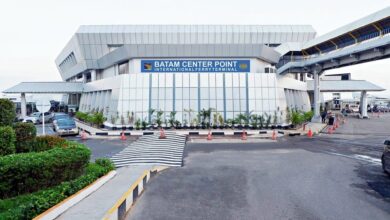
Travelers stepping off the ferry at Sekupang or Harbour Bay often find themselves funneled directly into air-conditioned shopping malls and tourist-trap seafood sheds, completely missing the island’s authentic culinary and cultural heartbeat. Finding out what to do in Batam requires bypassing the commercial facade to explore vibrant morning wet markets, historic Teochew coffee shops, and the dynamic cross-border trade hubs where Malay and Chinese heritages meet. Instead of treating the city as a simple weekend spa retreat, savvy explorers leverage local connections to uncover coastal fishing villages and century-old temples that reveal the true character of the Riau Islands.


Most first-time visitors arrive believing Batam is merely a concrete jungle of industrial parks, karaoke lounges, and massive factory outlet malls. That was my exact mindset years ago when I first landed at the terminal, clutching a generic weekend guidebook that promised nothing more than cheap massages and mediocre waterfront dinners. Once I started spending time embedded with local entrepreneurs through the Batam Business Community, that illusion completely shattered. The island transformed from a sterile transit stop into a layered, vibrant crossroads filled with family-run noodle houses, hidden art spaces, and a bustling entrepreneurial culture that few tourists ever witness.
What to Do in Batam: Defining Beyond-the-Ferry Itineraries for Food and Culture
Moving beyond standard tourist paths means understanding that Batam’s identity is shaped by migration, maritime trade, and a unique blend of Malay, Chinese, and Minangkabau influences. When travelers ask what to do in Batam for genuine cultural immersion, practitioners recommend shifting the focus away from beach resorts and toward historic neighborhoods like Nagoya, Penuin, and Old Nongsa. These districts hold the real stories of the island, preserved through generations of family kitchens and traditional neighborhood gathering spots.
Additional Information

This matters because standard travel itineraries strip away the local context, leaving visitors with a sanitized experience that fails to reflect why the region matters economically and culturally. When you understand the historic trade routes between Johor, Singapore, and the Riau Archipelago, every bowl of noodles and every neighborhood temple tells a much deeper story. You start seeing the island not as a sleepy getaway, but as a dynamic gateway where cross-border commerce has shaped daily life for over a century.
Consider a typical Saturday morning scenario in the Penuin market area. Instead of heading to an international hotel buffet, an engaged traveler joins locals at a bustling kopitiam for kopi o and roti kaya, observing how cross-border traders discuss logistics over breakfast. Afterward, they walk through the wet market to examine fresh produce imported daily from neighboring Sumatran agricultural belts. This hands-on immersion provides an immediate, grounded sense of place that no brochure can replicate.
How to Navigate Batam’s Neighborhood Food Markets Like a Local
Stepping into Batam’s traditional morning markets requires a bit of strategy, thick skin, and an appreciation for unfiltered local life. Unlike sanitized supermarkets, these wet markets are sensory powerhouses where wet floors, shouting vendors, and the rich aromas of dried spices and fresh seafood dominate the atmosphere. If you want to experience what to do in Batam on a culinary level, waking up before sunrise to visit Pasar Penuin or Pasar Jodoh is non-negotiable.
Navigating these spaces effectively matters because this is where the island’s true culinary supply chain lives. Chefs, hawkers, and local home cooks source their daily ingredients here long before the tourists wake up. By observing how locals inspect fish gills or select young ginger, you learn the foundational standards of Riau-Malay and Peranakan cooking. It also gives you the confidence to order dishes you won’t find on English-language menus.
- Arrive between 6:00 AM and 7:30 AM before the heat peaks and the best ingredients sell out.
- Carry small Indonesian Rupiah denominations because vendors rarely have change for large bills.
- Wear closed-toe, water-resistant shoes, as market walkways can be wet and slippery.
- Smile, be polite, and use basic Indonesian phrases like “selamat pagi” to break the ice with stall owners.
Picture yourself standing before a labyrinth of stalls where an elderly vendor expertly slices fresh tempeh while her neighbor grills spiced fish wrapped in banana leaves. When you ask about a mysterious green herb, she might take the time to explain how it’s used in authentic asam pedas. These impromptu interactions turn a simple grocery walk into an unforgettable cultural exchange, often leading to recommendations for hidden neighborhood eateries nearby.
Difference Between Tourist Seafood Rescues and Authentic Teochew-Malay Eateries
Massive floating restaurants at Nagoya or Harbour Bay promise a quick seafood feast right off the boat. Yet, these spots cater primarily to fast-paced tour groups looking for predictable menus and English-speaking staff. If you want to understand what to do in batam from a culinary standpoint, you need to look beyond these commercial hubs. Authentic Teochew-Malay eateries hide tucked away in old shophouses around Jodoh or Baloi.
These neighborhood kitchens matter because they preserve centuries-old migratory recipes shaped by Chinese Teochew traders marrying local Malay families. You won’t find tanks of live marble goby with inflated tourist pricing here. Instead, you get unpretentious stalls serving braised duck rice, chive dumplings, and fish head bee hoon infused with local rempah. Based on field experience, the flavor profiles rely on slow-simmered stocks and precise spice pastes rather than flashy presentation.
Consider a typical afternoon scenario in the old districts. A tourist might pay top dollar for a generic sweet and sour crab at a waterfront pier. Meanwhile, an experienced explorer sits on a plastic stool sharing a plate of crispy oyster omelette and herbal pork rib soup with local residents. The difference isn’t just financial. It’s the depth of heritage packed into a single bowl of broth.
Common Mistakes Travelers Make When Rushing Through Batam’s Cultural Spots
Speed kills authentic travel experiences, especially on an island designed for rapid weekend turnarounds. Many visitors grab their passport stamps, clear the batam arrival card process, and immediately lock themselves into a rigid taxi schedule. They try to cram temples, malls, and massage parlors into a single six-hour window. This frantic pace turns a rich cultural landscape into a checklist of photo ops.
Rushing matters because cultural appreciation requires downtime and spontaneous side-quests. When you sprint from site to site, you miss the nuanced rhythms of daily neighborhood life. You overlook the local artisan carving wooden window frames or the afternoon coffee shop debates among community elders. Industry averages show that travelers who slow down and spend at least one night exploring retain a much deeper connection to the destination.
A classic pitfall is arriving at heritage spots during midday closure windows or heavy downpours without a backup plan. For instance, attempting to visit traditional village houses in Sekupang during peak afternoon heat leaves you exhausted and frustrated. Experienced travelers coordinate their transit well before dealing with any final batam arrival card formalities on the return ferry. They keep their itineraries flexible, leaving room for a sudden invitation to a neighborhood wedding or a rainy afternoon spent chatting with a local batik maker.
Practical Networking Tips From the Batam Business Community for Expats and Explorers
Connecting with local insiders transforms a standard holiday into an insider-access experience. The dynamic professionals behind the Batam Business Community understand this better than anyone. They navigate the island’s unique intersection of manufacturing, trade, and burgeoning tourism every single day. If you want to tap into their insights, you have to approach networking with genuine curiosity rather than transactional intent.
Building real local connections matters because official guidebooks only scratch the surface of the island’s economic and cultural ecosystem. Local entrepreneurs know which neighborhoods are evolving, which heritage arts are fading, and where to find the absolute best regional dishes. You can easily reach out to the network at chat now if you’re looking for expert recommendations or collaborative project insights.
Also Read: Why Most Factory Outlet Batam Shopping Trips Fail And How Locals Actually Buy
- Attend informal morning coffee meetups instead of stiff corporate seminars.
- Show genuine interest in local supply chains and neighborhood development stories.
- Exchange WhatsApp contacts and follow up with a thank-you message after your chat.
- Respect local business hours and avoid scheduling meetings during Friday prayer times.
Picture an expat sitting down with a local logistics coordinator at a corner kopitiam in Batam Center. Instead of talking shop immediately, they bond over a shared plate of lapis legit and discuss regional culinary history. That simple conversation often opens doors to private art studios and family-run food workshops that never appear on public maps.
Frequently Asked Questions About What to Do in Batam
What is the best way to spend a weekend understanding what to do in batam beyond standard resorts?
To truly experience the island’s pulse, swap the beach resort for a morning market walk in Nagoya Hill followed by an afternoon exploring heritage villages like Kampung Tua. Plan your meals around traditional Teochew-Malay kopitiams rather than international hotel buffets. Spend your afternoon talking with local artisans or small business owners to uncover cultural sites that rarely make standard guidebooks. This balanced approach reveals the vibrant trade history and daily life that most weekenders entirely miss.
How do you navigate Batam’s food markets without feeling overwhelmed as a first-time visitor?
Start your food market exploration during the early morning hours when vendors are setting up fresh produce and traditional breakfast kueh. Carry small Indonesian rupiah denominations because stallholders rarely have change for large bills. Point politely, smile, and ask vendors for their personal favorites using basic conversational phrases like “apa yang enak.” If you want deeper guidance on neighborhood spots, you can connect with the Batam Business Community via WhatsApp for more information, or visit Batam Business Community for similar services.
Is it better to hire a private driver or use ride-hailing apps when exploring cultural sites in Batam?
Ride-hailing apps work brilliantly for short urban hops within Batam Center or Nagoya, offering transparent pricing and easy pickup. However, if you plan to visit remote heritage pockets, coastal fishing villages, or multiple culinary stops across the island in one day, hiring a private driver makes far more sense. A knowledgeable local driver often acts as an impromptu guide who can share insider stories and wait for you while you explore hidden alleyways.
What are the must-try regional dishes when figuring out what to do in batam for food lovers?
You cannot leave the island without tasting authentic Mie Lendir, a comforting noodle dish swimming in a thick, savory peanut gravy garnished with bean sprouts and hard-boiled eggs. Another local staple is Batam Fish Soup, featuring exceptionally fresh catch-of-the-day broth spiked with sour starfruit and fragrant basil leaves. Pair these savory meals with a slice of rich, spiced Lapis Legit cake from a family-run bakery for the ultimate culinary snapshot of the region.
How much cash should I carry when exploring local markets and street food stalls in Batam?
Most traditional food stalls, neighborhood coffee shops, and market vendors operate strictly on a cash-only basis. While digital payments are growing rapidly in modern malls, you will want to keep roughly three to five hundred thousand rupiah in small notes on hand per day. This amount easily covers multiple street food tastings, market snacks, and local transport fees without leaving you stranded without change.
What common mistakes do travelers make when planning what to do in batam?
Many visitors make the mistake of over-scheduling their itinerary by trying to cram too many distant attractions into a single afternoon, leading to travel fatigue in heavy traffic. Another frequent error is relying entirely on glossy tourist brochures that point you toward overpriced seafood restaurants catering exclusively to tour buses. Give yourself permission to slow down, linger in a corner kopitiam, and let authentic local interactions dictate your afternoon schedule.
Common Mistakes to Avoid
Travel fatigue hits hard when you schedule your days around map distances alone. Many first-time visitors look at Batam on a map, see how close it sits to Singapore, and assume they can hop between five different neighborhoods before lunch. Traffic congestion around key junctions like Nagoya Hill and Batam Center moves at its own pace. Instead of cramming your schedule, pick one specific district per day and explore it thoroughly on foot.
Another classic trap is sticking exclusively to hotel buffets or massive seafood restaurants located right next to the ferry terminals. These spots cater to large tour groups and often miss the soul of local cuisine. If you want to know what to do in batam to experience genuine flavors, look for neighborhood warungs where locals line up for lunch. You’ll spend a fraction of the money and taste dishes crafted from family recipes passed down for generations.
Relying solely on ride-hailing apps can also derail your afternoon adventures. While these services work brilliantly in central business districts, drivers often cancel trips heading into older, winding residential neighborhoods or remote coastal fishing villages. Always arrange a return trip with a local driver or learn how to use public minibuses, locally known as angkot, for a more authentic and reliable journey.
Advanced Tips From Practitioners
Experienced travelers know that timing dictates your entire culinary journey on the island. Mornings belong to traditional coffee shops, known locally as kopitiams, where older residents gather over thick robusta coffee and kaya toast. If you show up past ten o’clock, you’ll miss the freshest batch of traditional kueh—steamed rice cakes and bite-sized snacks that sell out almost immediately after dawn.
Venture beyond standard sightseeing by connecting with local entrepreneurs who understand the shifting cultural landscape of the islands. The folks behind the Batam Business Community often share incredible insights into grassroots culinary projects and neighborhood heritage walks that never make it into glossy travel brochures. Connecting with local creators gives you a backstage pass to the island’s most creative food pop-ups and artisan markets.
Want a personalized itinerary or need to verify a specific neighborhood market schedule before heading out? Reach out to local guides directly via chat now to get real-time recommendations on what to do in batam today. A quick message can save you hours of wandering down closed alleys and point you straight toward the best hidden noodle stalls in town.
- Start your food explorations before 8:00 AM to catch market vendors before they pack up.
- Carry a mix of small denomination rupiah notes for roadside snack vendors who cannot break large bills.
- Download offline translation apps to easily read handwritten menus at off-the-beaten-path coffee shops.
Mastering what to do in batam ultimately comes down to curiosity and patience. Drop the rigid checklist. Pull up a plastic stool at a roadside stall, order a sweet iced tea, and let the afternoon unfold on island time.
References & Sources
Watch the Related Video
Do Not Miss! Watch the Video Above and Learn More.
Click Here for More Information

A Blogger, Writer, and Digital Marketing Specialist dedicated to helping local SMEs (Small and Medium Enterprises) grow and promote their businesses across Indonesia, Singapore, and Malaysia.
Author: Armein Hutagaol
A Blogger, Writer, and Digital Marketing Specialist dedicated to helping local SMEs (Small and Medium Enterprises) grow and promote their businesses across Indonesia, Singapore, and Malaysia.