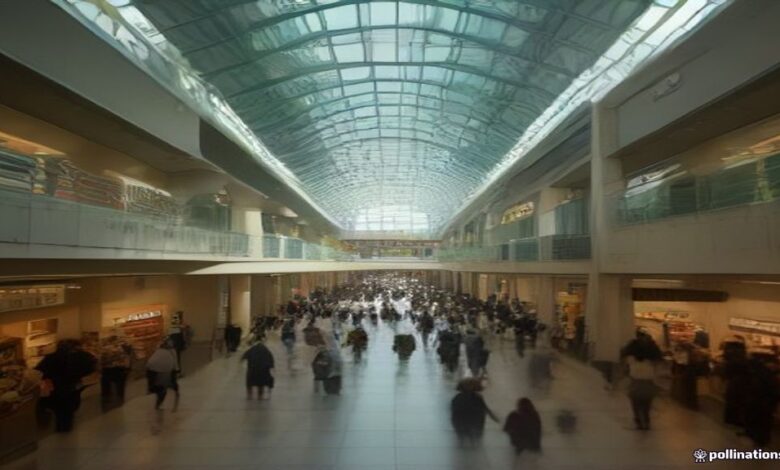
Most investors assume that a mall’s success is measured by the gloss of its international franchises and the size of its anchor tenants. In reality, the true engine behind a space like BCS Mall Batam is the dense, interconnected web of local SMEs that capture the actual spending power of the surrounding community. By prioritizing high-traffic local vendors over generic corporate boxes, this venue has evolved into a grassroots economic hub where organic, foot-traffic-driven business models consistently outperform the sterile, high-overhead environments found in standard retail chains.


We’re taught that the “best” retail space is the one with the highest visibility and the most polished branding. That’s a trap. If you follow the shiny neon signs of a massive, empty franchise outlet, you’ll often find yourself paying a premium for a customer base that doesn’t actually exist in that specific corridor. True market viability in Batam isn’t found in a brochure; it’s found by watching where the locals spend their daily lunch money and afternoon downtime.
BCS Mall Batam: Definition, Benefits, and How It Works
Think of BCS Mall Batam less as a building and more as a biological ecosystem for commerce. It functions as a low-barrier, high-density marketplace where the cost of entry remains accessible enough for independent entrepreneurs to experiment with their product-market fit. While luxury malls focus on high-margin, low-volume sales, this facility thrives on the velocity of daily transactions.
The primary benefit for a business owner here is the “neighborhood effect.” Because the layout encourages constant movement between diverse, non-competing vendors, your shop benefits from the spillover traffic generated by neighboring stalls. You aren’t just paying rent for a square meter; you’re buying into a pre-existing social habit. Customers don’t come here for a singular, high-priced item; they come for the convenience of fulfilling five different needs in one trip.
When I’m advising members of the Batam Business Community, I often point them toward these high-density zones because they offer a real-time feedback loop. If you want to test a new product line, you don’t need an expensive marketing agency. You just need to see how quickly your neighbors sell out of similar items and adjust your pricing accordingly. If you need help analyzing these patterns, you can check out tools like [CustomGPT](https://customgpt.ai/demo/?fpr=jasmine85) to process local market data, or feel free to reach out through our [WA contact](https://wa.me/628136341405) to discuss current ground-level trends.
How to Scout Independent Vendor Clusters That Actually Drive Local Economy
Scouting a location shouldn’t involve a suit and a spreadsheet. It should involve a notebook, a cold drink, and three hours of your time on a Tuesday afternoon. Most business owners fail because they look for “prestige” rather than “density.” You need to look for clusters—groups of vendors that sell complementary goods that keep people in the building for hours, not minutes.
Look for the “sticky” factors. A great cluster features a mix of high-frequency services, like mobile repair or local fashion, anchored by food vendors that draw people in during the morning and evening rush. If you see people hovering around a cluster, chatting, or waiting, that’s your signal. These interaction points are where the real local value is created.
When I scout these areas, I ignore the glossy store-fronts and look for the stalls with the worn-out floors. It sounds counterintuitive, but consistent foot traffic is the only metric that matters. Here is how to execute a basic field audit:
- Clock the dwell time: How long does the average shopper stay within a 10-meter radius of the space?
- Identify the anchor habits: What are the three most common items people are carrying as they walk through the corridor?
- Check the churn rate: Are the surrounding businesses established, or is there a new “for rent” sign every month?
Avoid areas where the only activity is a singular, massive department store. If that store closes, the entire corridor dies. Instead, look for the BCS Mall Batam model—a decentralized network where even if one vendor leaves, the ecosystem’s gravity remains intact. You want to be part of an economy that functions even when the “big name” brands aren’t pulling their weight.
This decentralization creates a distinct operational advantage that separates local hubs like BCS Mall Batam from the rigid, sterile environments found in typical mega-franchise spaces. In a massive mall, your business is often dictated by corporate mandates, rigid store hours, and high overhead that leaves little room for agility. You’re paying for a brand’s reputation, but you’re sacrificing the ability to pivot when the market shifts. Conversely, the environment at a location like this allows for a “plug-and-play” agility that is rare in more formal settings.
Choosing between a mega-franchise space and a local hub depends on your risk tolerance and growth stage. If you are selling a high-end, standardized luxury product, the prestige of a massive mall might align with your identity. However, if you are looking to build a loyal local base, the organic traffic within BCS Mall Batam is often more valuable. It isn’t just about foot traffic; it’s about the kind of customer who visits. These are shoppers looking for value and connection, not just a brand name they recognize from a television commercial.
When I talk to members of the Batam Business Community (https://www.batambisnis.com), they often highlight how the “smaller” spaces actually yield higher profit margins. You don’t have the heavy marketing levies imposed by global chains. You are free to experiment with your inventory, adjust your pricing, and interact directly with your buyers. If you’re struggling to decide which path fits your model, feel free to chat with us at https://wa.me/628136341405 for a reality check on current rental expectations.
Avoid the trap of thinking that a “big name” address solves your sales problems. I’ve seen many entrepreneurs move into high-traffic, high-cost zones only to find that their conversion rates were lower than when they were in a more accessible, community-focused hub. People often confuse “traffic” with “intent.” A massive mall may have thousands of people walking by, but those people are often just passing through to the cinema or a food chain. In contrast, the crowd at a local retail hub is frequently on a mission to hunt for specific, unique deals.
A common mistake I see entrepreneurs make is over-investing in physical renovations before testing the market. They try to mimic the look of a high-end factory outlet batam, spending thousands on lighting and glass, only to realize the location doesn’t support that specific visual aesthetic. You should always prioritize the product-market fit over the storefront’s glamour. Start small, observe the habits of shoppers in the hallway, and expand your physical footprint only when the numbers justify it.
I’ve made this mistake myself early on. I spent too much budget on a high-spec interior while ignoring the actual flow of shoppers near the batam centre area. I assumed that a fancy look would pull people in, but the truth is that shoppers value accessibility and transparency above all else. They want to see the product, touch it, and get a fair price. If your shop looks like a museum, it can actually be intimidating. A store that feels “approachable” often converts better than one that looks like it belongs in a glossy magazine.
- Test your pricing in a smaller space before committing to a long-term lease in a high-traffic area.
- Observe the neighbors: if you are selling clothing, look for other fashion stalls that are thriving, even if they aren’t direct competitors.
- Always negotiate terms that allow for slight inventory changes, as local trends shift faster than corporate ones.
- Don’t be afraid of “cluttered” displays if that is what your specific customer base responds to; authenticity sells better than perfection.
Another pitfall is underestimating the power of the surrounding ecosystem. When you set up shop, you aren’t just selling to your own customers; you are borrowing the audience of the businesses next to you. If you place yourself in a corner of the mall with zero foot traffic, you are essentially paying to be a ghost. Even in a great location like BCS Mall Batam, you need to be strategic about which aisle or corridor you choose. Look for the spots that act as a natural shortcut between two main entrances.
If you find yourself stuck, remember that building a brand in a city like this is a marathon. It’s not about getting a massive influx of tourists on your first day; it’s about becoming a staple for the regulars who visit every week. Consistency in your presence is what builds trust. If you are there when the lights go on and stay until they go off, you will eventually become a destination in your own right. Reach out to the Batam Business Community if you need local insights on which zones are currently seeing the most consistent engagement.
Knowing where your physical footprint sits inside BCS Mall Batam dictates half your operational success. In my experience, vendors who rush into signing leases without studying foot traffic patterns during weekday lunch hours versus Saturday nights usually regret it within three months. Walk the corridors yourself at different hours. Watch where locals naturally linger. Observe which exit doors pull the heaviest crowds carrying grocery bags or shopping loot. That kinetic energy tells you everything you need to know about where your cash register will actually ring.
Frequently Asked Questions about bcs mall batam
What is BCS Mall Batam and why is it popular for local businesses?
BCS Mall Batam stands as a prominent multi-level retail destination known for blending accessible commercial spaces with a heavy concentration of independent local vendors. Based on field observations, it attracts steady daily foot traffic because it balances affordable shopping, diverse dining options, and practical everyday services. This makes it an ideal incubator for homegrown brands trying to build a loyal customer base without paying exorbitant mega-mall rents.
How do you secure a high-traffic retail spot inside bcs mall batam?
Securing a prime location requires early engagement with leasing management and a clear understanding of the building’s anchor zones. Practitioners recommend targeting corridors that connect high-volume entry points to escalators or popular anchor supermarkets. Reach out to the Batam Business Community via WhatsApp for more information. Visit Batam Business Community for similar services to connect with insiders who understand the leasing layout.
Additional Information

Is bcs mall batam better for retail startups than newer upscale malls?
For most local retail startups, bcs mall batam offers a much lower barrier to entry and a more forgiving overhead cost structure compared to ultra-modern, luxury-focused shopping centers. The shoppers visiting here generally look for everyday value, practical goods, and authentic local products rather than high-end imported luxury labels. If your business model relies on high-frequency repeat local buyers rather than occasional tourist splurges, this environment usually delivers a healthier return on investment.
What type of products sell best in bcs mall batam?
Affordable fashion, mobile accessories, localized food and beverage concepts, and daily convenience items consistently perform well across its corridors. Shoppers walking these floors appreciate practical utility mixed with local flavor. If you price your inventory realistically and focus on immediate visual appeal, you will see much faster inventory turnover than you would selling niche luxury goods.
How can a new vendor handle logistics and restocking inside the mall?
Logistics require careful timing because management usually restricts heavy loading vehicle access during peak operating hours. Experienced merchants schedule their inventory deliveries during early morning windows before customer foot traffic surges. Building a good relationship with the loading dock staff and security team ensures your daily restocks happen smoothly without disrupting shoppers or violating mall regulations.
Common Mistakes to Avoid
Walking into retail spaces like bcs mall batam with the mindset of a high-street Western boutique will usually burn your capital fast. I’ve watched eager entrepreneurs make the exact same operational missteps season after season. Let us look at what actually trips people up, and how you can save your budget by doing things right from day one.
-
Overpricing your initial inventory. New shop owners often copy online markup percentages without factoring in local purchasing power. Local shoppers know the exact market rate for garments and accessories down to the rupiah. Instead, price your items for high volume turnover right out of the gate, letting thin margins make up for themselves through rapid daily sales.
-
Ignoring seasonal weather shifts. Batam operates on two main patterns—heavy monsoon rains and blazing dry heat—which completely dictate foot traffic patterns. Stocking delicate suede shoes or heavy outerwear during wet months means staring at unsold boxes for half a year. Keep your racks responsive to local weather by featuring quick-dry fabrics and weather-resistant accessories when the skies open up.
Also Read: KUR BRI 2025: Syarat, Cara Daftar, dan Bunga Terbaru
-
Neglecting personal customer engagement. Running a stall like a hands-off vending machine kills repeat business here. Shoppers love asking for styling advice or bargaining politely over bundled purchases. Train your floor staff to greet regulars warmly and build genuine rapport, because word-of-mouth recommendations drive most neighborhood commerce.
-
Poor signage and cluttered displays. Cramming every square inch of glass with products creates visual fatigue for tired pedestrians. Clear sightlines and well-lit hero items pull people off the corridor and right into your shop. Keep pathways wide enough for strollers and casual browsers alike.
Advanced Tips From Practitioners
Surviving your first year inside bcs mall batam takes more than just keeping the lights on and the shelves full. Veterans of the local retail scene rely on quiet, tactical habits that most startup guidebooks completely miss. Here is how you graduate from a struggling tenant to a steady regional favorite.
Timing your promotional flash sales around regional paydays and Singaporean public holidays changes your cash flow overnight. Visitors crossing the strait look for immediate bargains before heading back to the ferry terminals. Keep a batch of exclusive, bundle-priced souvenirs or trendy daily wear ready right by the entrance for these weekend rushes.
Another smart move involves partnering with complementary non-competing vendors two doors down. If you sell mobile phone cases, team up with a nearby sticker or screen protector kiosk for cross-promotional discount vouchers. Customers love getting a bonus coupon for their next stop, and both shops share the organic foot traffic.
Mastering local supply chains also requires building direct relationships with regional distributors rather than relying on distant mega-warehouses. This cuts your lead times in half when a certain clothing style suddenly blows up on social media. You want to restock within forty-eight hours while the trend is still peaking.
Want to compare notes with other merchants who have already walked this exact path? The crew over at the Batam Business Community regularly shares practical insights on local leasing, staffing, and inventory management. You can easily reach out to experienced organizers directly via chat now if you need a quick sanity check before signing your next commercial agreement.
References & Sources
Watch the Related Video
Do Not Miss! Watch the Video Above and Learn More.
Click Here for More Information

A Blogger, Writer, and Digital Marketing Specialist dedicated to helping local SMEs (Small and Medium Enterprises) grow and promote their businesses across Indonesia, Singapore, and Malaysia.
Author: Armein Hutagaol
A Blogger, Writer, and Digital Marketing Specialist dedicated to helping local SMEs (Small and Medium Enterprises) grow and promote their businesses across Indonesia, Singapore, and Malaysia.