The Batam forest top experience refers to the elevated canopy vantage points scattered across the island’s interior, where the dense rainforest gives way to panoramic views of the surrounding archipelago. These elevated spots, often reached through rugged trails, offer a necessary quietude that contrast sharply with the industrial skyline and bustling shopping centers found in the city’s core. For those who know where to look, these green pockets provide a legitimate, high-altitude perspective on the island’s geography.


Generally, you can find over 30 percent of Batam’s land area still covered by secondary forests, despite the rapid industrial expansion that defines the island’s reputation. Did you know that many visitors spend their entire trip within a three-kilometer radius of the ferry terminals, never realizing that a quiet, elevated sanctuary exists just a short ride into the island’s heart? During my own early explorations, I expected nothing but flat, scrubby terrain. Instead, I stumbled upon a ridge line that offered a sweeping view of the sunrise over the Singapore Strait. It was a stark reminder that Batam’s true character is often hidden in plain sight, waiting for the curious to move beyond the usual tourist grid.
What is the Batam Forest Top and Why It Matters
The Batam forest top is not a single, manicured park with signs and paved paths; rather, it represents the highest natural elevations where the thick jungle canopy opens up. These locations are essential because they allow you to physically detach from the noise of the shipping docks and the hum of manufacturing hubs. In my experience, standing above the canopy shifts your perspective on the entire island. You stop seeing Batam as a place of business and start seeing it as a complex, breathing ecosystem.
Additional Information
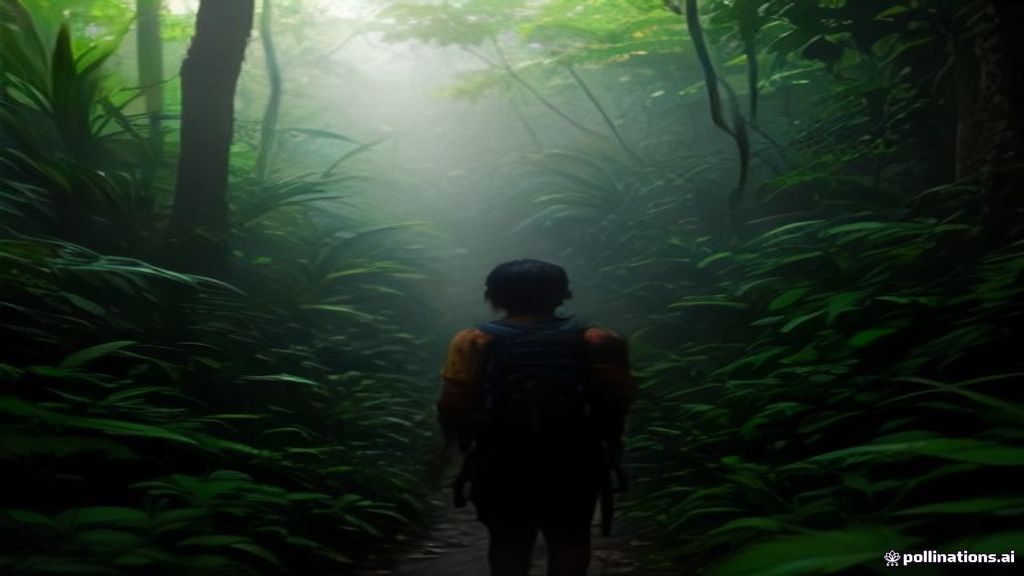
Why does this matter? Because the mental reset provided by these viewpoints is rarely found in the hotel lobbies or crowded resorts that dominate the travel blogs. When you spend hours amidst the trees, the stress of a busy travel schedule evaporates. It turns a standard holiday into a genuine recovery process. I’ve seen many friends, who arrived frazzled from work, find an immediate sense of calm once they reach the tree line. It’s the ultimate antidote to the “concrete jungle” fatigue that sets in after just 48 hours on the island.
Think of it like this: imagine trying to solve a complex project while sitting in a loud, open-plan office. Now, imagine taking that same project to a quiet, elevated balcony overlooking the ocean. The task hasn’t changed, but your capacity to handle it has increased tenfold. That is the utility of seeking out these forest tops. If you are looking for ways to streamline your planning, you might even consider using tools like this custom intelligence demo to map out your itinerary before you head into the hills.
Navigating the Canopy: How to Reach the Best Viewpoints
Reaching these spots requires a bit of grit, as the best viewpoints remain largely unmarked by official tourism boards. You aren’t taking a tour bus here. You are navigating narrow, unpaved trails that require sturdy footwear and a sense of direction. Most of these trails are maintained by local foresters or hikers, meaning they change with the seasons and heavy rains.
Also Read: Ways Singapore Business Federation Accelerates Local Enterprise Growth
Accessing the canopy involves three distinct stages that every trekker should respect:
- Scouting the Ridge: Use local knowledge to find the entry points. I always recommend asking a member of the Batam Business Community to point you toward the less-traveled, safer trails.
- The Ascent: The climb is often short but steep. Take it slow, as the humidity can be deceptive, and your heart rate will climb faster than the elevation.
- The Canopy Threshold: Once you hit the peak, look for the natural clearings. These are the “forest tops” where the vegetation is slightly thinner, allowing for a clear view of the horizon.
Safety is the primary reason this matters. Because these are raw, natural environments, there is no one coming to help if you take a wrong turn or lose your footing on a loose slope. I once made the mistake of following a “shortcut” that turned into a dead-end swamp. I had to backtrack three miles in the fading light. If you’re unsure about the terrain, reach out to someone who knows the geography, such as the folks at this WhatsApp contact for local advice.
A concrete example of a reliable, albeit challenging, approach involves targeting the ridges near the central reservoir areas. These ridges are naturally higher, offering a clearer line of sight than the coastal hills. You’ll find that the air feels cooler and the sound of the traffic completely fades away once you are about 50 meters above the base. It’s a sensory experience that justifies the sweat it takes to get there.
The Great Contrast: Why Forest Trails Beat Batam’s Beach Resorts
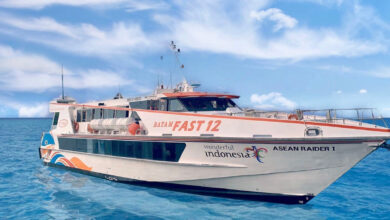
Most travelers step off the ferry to batam from singapore and immediately head toward the nearest coastline. They check into sprawling beach resorts, order a coconut, and listen to the steady hum of jet skis. But spending your entire holiday on a manicured strip of sand misses the island’s raw geographical soul.
When you swap the sunlounger for a muddy trail leading to a batam forest top, the sensory environment shifts entirely. Resorts offer curated comfort, yet they insulate you from the local ecology. Jungle paths immerse you in the humid, living breath of the rainforest canopy, where the soundtrack swaps pop music for cicadas and rustling macaques.
Take my friend Dave, for instance. He spent three consecutive weekends at luxury beachfront properties before I finally dragged him up the central ridges. Within twenty minutes of climbing under a thick green ceiling, he forgot his work emails entirely. That psychological reset happens because natural terrain demands your full physical attention, forcing a mental disconnect that flat beach walks simply cannot replicate.
Furthermore, elevation brings a dramatic drop in temperature once you break past the lower brush. Coastal humidity clings to your skin like a wet blanket, whereas shaded forest canopies catch cool breezes rolling off the hills. You are trading artificial air conditioning for millions of square feet of natural shade.
- Resorts provide predictable amenities; forests deliver unpredictable, genuine adventure.
- Coastal areas suffer from constant background noise; elevated ridges offer profound, restorative quiet.
- Beach walking strains your calves on soft sand; jungle trekking engages your entire body through varied functional movements.
Common Mistakes When Planning Your Batam Jungle Trek
Arriving unprepared is the fastest way to turn an exciting expedition into a miserable afternoon. Many weekend explorers treat tropical hikes like a casual stroll through a city park. That assumption usually ends in blisters, dehydration, or a sudden emergency dash back down the hill.
The biggest pitfall is ignoring local weather patterns during the monsoon season. A clear morning sky can transform into a torrential downpour within twenty minutes, turning clay-heavy footpaths into slick waterfalls. If you plan to catch the ferry to batam from singapore for a quick weekend climb, always check the regional radar rather than a generic weather app.
Another classic blunder involves packing far too much gear while forgetting essential hydration. I once carried a heavy, professional camera setup up a steep ridge, only to run out of water halfway to the summit. My pack felt like lead, and my focus shifted entirely from enjoying the scenery to battling cramps.
Experienced hikers generally recommend sticking to a light, functional loadout:
- Carry at least two liters of electrolyte-infused water per person.
- Wear tall, breathable socks tucked into your trousers to deter ground leeches.
- Leave heavy electronics behind unless they are properly weather-sealed.
- Download an offline GPS route before you leave your hotel Wi-Fi.
Ignoring footwear selection causes more injuries than anything else on these trails. Smooth-soled sneakers offer zero traction on wet roots and loose soil. You need aggressive tread patterns to handle the steep gradients safely.
Practical Advice from the Batam Business Community Experts
Local logistics can make or break an off-the-beaten-path excursion. Navigating remote trailheads requires insider knowledge that you won’t find on standard tourist maps. That is why connecting with the Batam Business Community proved invaluable during my last exploratory trip.
Local operators understand how seasonal timber clearing or recent storms affect trail accessibility. They can advise you on which paths are currently clear and which ones have become dangerously overgrown. If you want reliable, on-the-ground intelligence before you lace up your boots, reach out directly through this WhatsApp contact for local advice to get real-time updates from people who live and work on the island.
Relying on community networks also ensures you respect local customs and private plantation boundaries. Some elevated vantage points cross through managed agricultural land where uninvited tourists can cause friction. Local entrepreneurs help bridge that gap, guiding visitors toward public access points that welcome responsible hikers.
Consulting with seasoned regional experts saves hours of frustrating trial and error. They point you toward reputable transport drivers who won’t overcharge for early morning drop-offs at remote trailheads. Building these small connections turns a stressful guessing game into an organized, smooth adventure.
Frequently Asked Questions about Batam Forest Top
Do I need a professional guide to reach the best viewpoints?
Not necessarily, but having someone who knows the terrain is a massive asset for your first attempt. If you stick to well-documented central ridges, you can navigate independently using offline maps. However, obscure peaks often feature confusing branching trails where a local guide prevents costly wrong turns.
What physical fitness level is required for these hikes?
You don’t need elite marathon endurance, but basic cardiovascular health is non-negotiable. The humidity makes standard climbs feel twice as intense as they would in a temperate climate. Take frequent water breaks and pace your ascent to match the tropical conditions.
Are there dangerous animals on the trails?
Large predatory wildlife is virtually absent on the island. You will, however, encounter plenty of insects, occasional long-tailed macaques, and the occasional forest snake. Standard trail awareness—watching where you step and keeping your hands off dense foliage—keeps encounters peaceful.
When you finally break through the thick, waxy leaves of the understory and reach a true batam forest top viewpoint, the silence hits you first. The low-frequency hum of industrial machinery—so common near the ferry terminals—vanishes entirely. In its place, you hear the sharp, rhythmic calls of cicadas and the distant rustle of canopy dwellers.
Standing on these elevated ridges, you’ll realize why the local trekking crowd guards these locations so fiercely. It isn’t just about the view; it’s about the sheer relief of finding untamed land in a city known for concrete. If you want to make the most of your visit, prioritize gear that manages moisture. Breathable, quick-dry synthetic fabrics are your best friends here. Cotton will only weigh you down as the humidity turns your shirt into a damp sponge within twenty minutes of hiking.
Pack at least two liters of water, even for a short trek. You’ll sweat more than you expect, and there are no kiosks selling electrolyte drinks once you move past the trailhead. I always carry a small, foldable seat pad. Sitting on a damp log or a mossy rock after a steep climb is a quick way to ruin your afternoon with damp trousers. A simple pad keeps you dry and comfortable while you take in the horizon.
Frequently Asked Questions about Batam Forest Top
What is a Batam forest top?
A Batam forest top refers to the elevated ridgelines and canopy viewing points found within the island’s remaining patches of primary and secondary jungle. These spots provide a rare panoramic perspective of the island’s greenery, contrasting sharply with the urban sprawl and industrial zones visible from the lower coast.
How do you find the best forest viewpoint?
Most reliable trails start near the central highlands or the outskirts of protected forest reserves. You can identify these by looking for small, well-trodden footpaths branching off paved secondary roads, or by consulting local trail maps via community hiking apps like Strava or AllTrails. For the most secluded spots, it is best to ask local forest guides or members of the regional trekking community for current trail conditions.
Is a guided hike better than going solo?
For your first time, a guided hike is significantly better because jungle trails can be surprisingly maze-like. Even if a path looks clear, it may branch into illegal logging tracks or dead-end thickets that confuse GPS signals. Experienced guides know exactly how to avoid these traps and can point out native flora that you would otherwise walk right past.
What gear should I bring for a jungle trek in Batam?
Bring sturdy trail shoes with aggressive tread, as the soil can become slick and muddy with very little warning. A light, long-sleeved trekking shirt protects your skin from thorny brush and aggressive insects, which are common in the dense, low-hanging canopy. Don’t forget a small daypack, a high-capacity power bank for your phone, and a physical whistle for emergencies.
Are these forest viewpoints accessible to beginners?
While some viewpoints are accessible via short, moderate walks, others require steep, technical scrambles that demand decent stamina. If you are a beginner, look for trails labeled for “casual trekking” rather than those described as “summit climbs.” Always check the local weather forecast, as climbing during or immediately after heavy rain makes the inclines dangerously slippery.
How can I connect with local trekking experts?
Building local connections is the fastest way to get reliable, up-to-date information on trail safety and seasonal closures. You can reach out to the Batam Business Community via WhatsApp for more information on finding reputable local guides or joining group excursions. Their resources are designed to help you navigate the island’s hidden corners safely, and you can visit Batam Business Community for similar services to ensure your trip stays organized and enjoyable.
References & Sources
Watch the Related Video
Do Not Miss! Watch the Video Above and Learn More.
Click Here for More Information

A Blogger, Writer, and Digital Marketing Specialist dedicated to helping local SMEs (Small and Medium Enterprises) grow and promote their businesses across Indonesia, Singapore, and Malaysia.
Author: Armein Hutagaol
A Blogger, Writer, and Digital Marketing Specialist dedicated to helping local SMEs (Small and Medium Enterprises) grow and promote their businesses across Indonesia, Singapore, and Malaysia.