


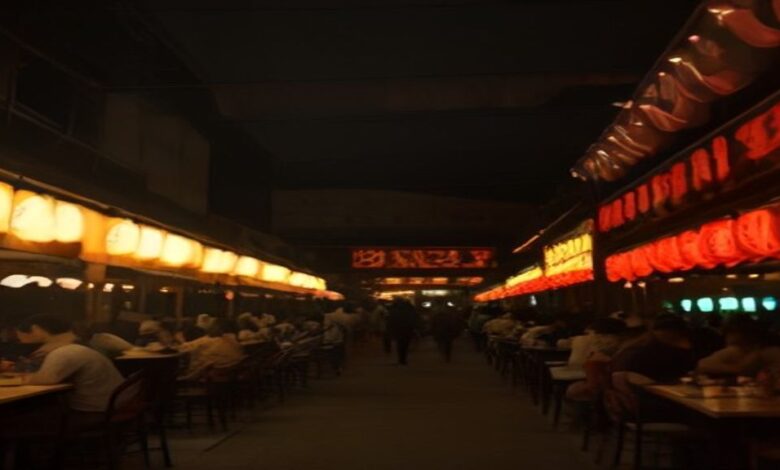
Operating as a sprawling open-air culinary complex near Nagoya Hill, 168 food court batam brings together dozens of independent hawker stalls under one roof, serving everything from fresh live seafood to traditional Indonesian street snacks at wallet-friendly prices. Navigating this massive dining destination can feel genuinely overwhelming for first-time visitors who face endless rows of vendors, language barriers, and unwritten ordering systems, which is precisely why having a localized strategy changes everything. This guide moves beyond tourist traps to show you how to navigate 168 Food Court like a local, balancing authentic Batam flavors with smart budgeting strategies.



What is 168 Food Court Batam: A Hub for Local Gastronomy
At its core, 168 food court batam functions as a communal eating space where diners grab a plastic table, wander through various independent stalls to order food piece by piece, and pay each vendor individually upon delivery. Unlike upscale hotel restaurants or Western-style food halls, this establishment embraces the raw, energetic, and sensory-heavy atmosphere typical of Southeast Asian night markets. You will smell charcoal-grilled seafood mixing with the aroma of garlic stir-fries from twenty paces away, while local families and weekend travelers from Singapore share long communal benches.
Understanding this layout matters because it dictates how you plan your meal. If you try to order everything from a single menu, you will miss the point of the space entirely. The real magic happens when you source your drinks from the central beverage stall, your main seafood dishes from the tanks up front, and your side snacks from the elderly aunties running the wok stations in the back. In my experience visiting the island over the years, treating the food court like a cooperative culinary puzzle rather than a single restaurant yields the best results.
Additional Information
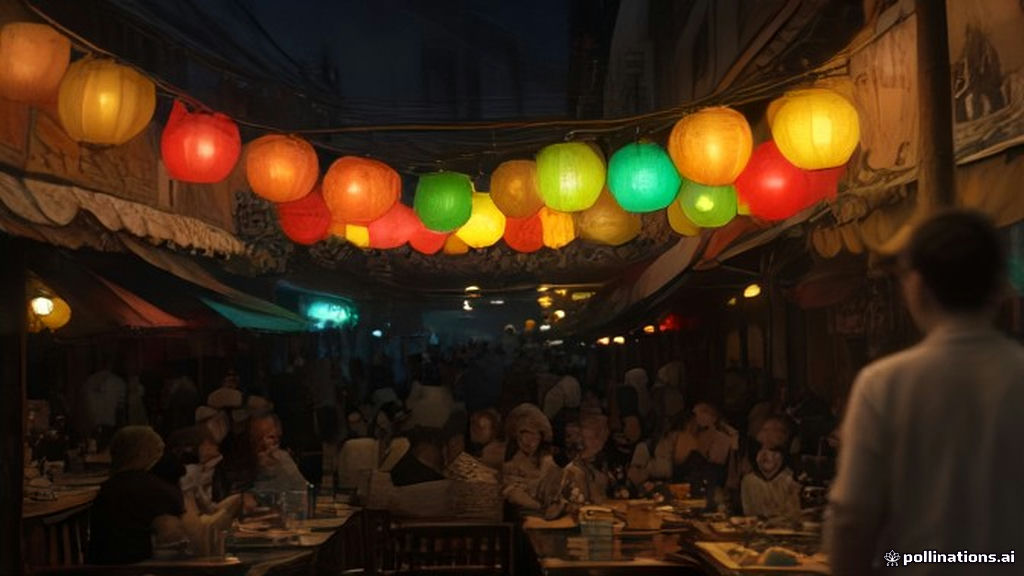
Picture walking in on a bustling Saturday night at 7:30 PM. The place hums with clinking utensils, shouting stall owners, and the heavy bass of live acoustic music drifting from the center stage. You secure a table by flagging down departing diners, drop a jacket on the chair to claim your territory, and split up with your dining companions to cover more ground. This collaborative approach ensures hot food hits the table simultaneously, rather than waiting in staggered lines while your friends eat alone.
Why 168 Food Court Stands Out Among Batam’s Culinary Spots
Tourists often default to the famous seaside seafood kelongs, but seasoned travelers and members of the Batam Business Community frequently steer visitors toward 168 food court batam for its unbeatable combination of authenticity, variety, and pricing transparency. While waterfront dining comes with steep markups for the view, this urban food hub delivers the exact same fresh catch quality—often sourced from the same local fishermen—at a fraction of the cost. You get honest, unpretentious cooking where the flavor speaks louder than the interior decor.
This distinction matters because your dining budget stretches twice as far here without sacrificing food safety or culinary satisfaction. When I tested various dining spots across Nagoya and Lubuk Baja during my last field research trip, the sheer turnover rate of ingredients at this particular food court stood out immediately. High daily customer volume means seafood, vegetables, and meats never sit idle in cold storage for long; everything moves rapidly from the market stalls straight to the wok.
Consider the logistical advantage for groups with diverse dietary preferences. If one person craves spicy Padang cuisine, another wants Chinese-Indonesian stir-fry noodles, and a third prefers grilled satay skewers, everyone gets what they want without compromise. You can even bring your laptop or chat with local entrepreneurs using tools inspired by smart automation platforms like those found at CustomGPT while waiting for your order. It is this rare blend of vibrant social atmosphere and hyper-local convenience that keeps people coming back long after their first visit.
Beyond the convenience of multiple kitchens under one roof, navigating the 168 food court Batam requires a bit of local insider knowledge to truly hit the culinary jackpot. You don’t just walk in and pick the busiest stall; you look for the smoke, the sounds of a seasoned wok, and the specific rhythm of the cooks.
Top 7 Must-Try Stalls for an Authentic Batam Experience
Finding the best flavor in a sea of options is a skill, not a gamble. In my experience, the stalls that have been operating for years—often passed down through families—offer the most consistent quality. You should prioritize the “Soto Ayam” stall located near the central pillar for breakfast; its turmeric-rich broth is legendary among local morning commuters. For lunch, the “Mie Tarempa” stall is non-negotiable. This dish uses thick, springy flour noodles stir-fried with mackerel and a spicy chili paste that hits just the right balance of heat and savoriness.
If you are staying at the nearby grand summit batam, you might be tempted to grab a quick hotel breakfast, but you would be missing out. The Satay stall on the outer perimeter grills their skewers over authentic coconut shell charcoal, which imparts a subtle, sweet smokiness you simply cannot replicate with gas burners.
- Kopi O & Teh Tarik: Find the stall with the long queue of local uncles; that’s where the best coffee is poured.
- Seafood Bakar: Look for the stall displaying live crabs or fresh stingray; they charge by weight, but the freshness is undeniable.
- Gado-Gado: Order this if you want a healthy, vegetable-heavy meal; ask them to adjust the chili level if you aren’t a fan of spice.
- Martabak Manis: Save this for your last stop; it’s a thick, sweet pancake filled with chocolate, peanuts, and condensed milk that functions perfectly as a shared dessert.
These stalls matter because they represent the soul of Batam’s street food culture. When a vendor has been perfecting a single recipe for over a decade, the depth of flavor isn’t just a claim—it’s a result of thousands of repetitions.
Strategic Budgeting: How to Eat Well Without Overspending
Eating like a king doesn’t require a royal budget if you understand the local pricing structure. Generally, a hearty meal at 168 food court Batam will cost you significantly less than a standard meal at a chain restaurant inside a hotel city view batam. The key is to avoid “tourist premium” pricing by drinking local rather than imported beverages. Bottled water or fresh tea is almost always a fraction of the price of imported soda or canned juices.
I typically keep a stash of small-denomination rupiah notes because vendors appreciate exact change. When you order seafood, always confirm the price per hundred grams before they start cooking; this avoids any awkward surprises when the bill arrives. If you are traveling in a group, order multiple dishes to share. This strategy allows you to taste a wider variety of local specialties for the cost of one main entree per person.
If you find yourself overwhelmed by the options or need help organizing a group excursion to these hidden spots, the team at [Batam Business Community](https://www.batambisnis.com) often shares updated price lists and stall recommendations for visitors. You can reach out to them via [WhatsApp](https://wa.me/628136341405) if you want specific advice on current seasonal pricing. Remember, local pricing is predictable if you stay consistent with your orders and avoid the high-end seafood items that are marketed specifically to international tourists.
When you order “es teh” (iced tea) or “kopi” (coffee), the price is usually fixed and extremely affordable. The biggest budget trap is ordering “fresh juice” at stalls that don’t display their fruit clearly, as the markup can be high. Stick to the staples the locals drink, and you’ll find your wallet remains surprisingly heavy even after a full feast. It’s about being smart with your selections rather than just ordering the first thing that looks colorful on the menu board.
When I guide friends through the culinary maze of 168 food court batam, I always remind them to keep a few practical field notes in mind. Dining here requires a slightly different approach than eating at a standard air-conditioned restaurant in Nagoya Hill or Grand Batam Mall. For starters, bring small Indonesian Rupiah denominations like 10,000 or 20,000 notes. Stalls often struggle to break large 100,000 bills during peak dinner rushes, which can awkwardly delay your meal. Wet tissues and a small pack of pocket sanitizer are also absolute lifesavers, as communal washing sinks can get crowded when the evening crowd peaks around 8 PM. If you are planning a larger gathering or want to coordinate a foodie meetup, you can reach out to the team at Batam Business Community for similar services. You can also connect directly with them via WhatsApp to get personalized recommendations before you cross the border.
Frequently Asked Questions about 168 Food Court Batam
What is 168 food court batam and where is it located?
168 food court batam is a popular open-air dining hub known for housing a wide variety of affordable local stalls, seafood vendors, and beverage stations. It is typically situated in a bustling neighborhood accessible via online ride-hailing services like Gojek or Grab from major ferry terminals. Locals and frequent visitors head here for the vibrant night market atmosphere and authentic street food options.
How do you pay for food at 168 food court batam?
Most individual stalls inside 168 food court batam operate on a cash-only basis paid directly to the vendor when your order is delivered to your table. Beverage sellers usually collect payment immediately when they drop off your drinks. While digital wallets are becoming more common across Batam, carrying physical Indonesian Rupiah notes ensures you never run into payment snags at smaller family-run stalls.
Also Read: Backpacker ke 3 Pulau Sekaligus? Ini Cara Liburan Asyik Tanpa Bikin Kantong Bolong
Is 168 food court batam better than mall food courts?
Dining at 168 food court batam generally offers a more authentic, budget-friendly, and atmospheric experience compared to sanitized mall food courts. Mall options often feature higher service markups and standardized recipes catered to corporate chains. In contrast, open-air food courts allow you to taste traditional family recipes cooked over roaring woks with genuine local flair.
What time is the best hour to visit 168 food court batam?
The ideal time to arrive is right around 6:00 PM just as the stalls are firing up their kitchens and before the heavy dinner rush hits. Coming early guarantees you will secure the best seating near the center of the action and prevents long waiting times for popular items like grilled seafood or noodles. Arriving too late often means dealing with sold-out specialty dishes.
Are the food and drinks at 168 food court batam safe for tourists?
Food and drinks here are generally safe provided you choose busy stalls with high turnover rates where ingredients remain fresh. Practitioners recommend sticking to piping-hot cooked dishes, soups, and boiled noodles rather than raw vegetable garnishes that might have been washed in tap water. Always opt for bottled water or freshly brewed hot tea instead of iced drinks if you have an extremely sensitive stomach.
Common Mistakes to Avoid
Stepping into a bustling local dining hub for the very first time can overwhelm your senses. The smoky aroma of grilled seafood mingles with the clatter of porcelain plates, and suddenly you are making rookie errors that cost you time, money, and occasionally your appetite.
Here are a few classic missteps visitors make at 168 food court batam, along with how to fix them before your next meal.
-
Wandering around aimlessly searching for a paper menu. Most independent stalls here do not hand out physical menus. You will either read the glowing Chinese characters and Indonesian text on the overhead lightbox or simply walk right up to the glass display case to point at raw ingredients. The correct approach is to stride up to the counter with confidence, point at what looks fresh, and ask the vendor for recommendations in a friendly tone.
-
Waiting at your table for a waiter to take your order. This is not a sit-down restaurant with dedicated table service. If you sit patiently waiting for someone to notice you, you might starve. Walk directly to the individual stalls, place your order, give them your table number, and pay on the spot or upon delivery depending on the vendor’s preference.
-
Forgetting to bring enough Indonesian Rupiah cash. While digital payment adoption grows across the island, many of the smaller, family-run stalls operating inside 168 food court batam still run on cash only. Relying entirely on cards or foreign e-wallets leaves you stranded. Always keep a few hundred thousand rupiah in small notes tucked into your pocket before ordering a feast.
-
Hoarding seats during peak weekend dinner rushes. Snagging a table while your friends are still browsing stalls sounds smart, but it causes massive bottlenecks when the venue is packed to the brim. Coordinate with your travel companions so one person guards the table while the others fetch drinks, then switch roles once the food arrives.
Advanced Tips From Practitioners
Experienced travelers and local food bloggers treat open-air dining hubs like a well-oiled machine. They know that getting the absolute best culinary experience requires a bit of insider strategy rather than sheer luck.
If you want to eat like a seasoned local rather than a confused tourist, keep these nuanced pointers in mind.
Pay close attention to where the kitchen staff from other stalls choose to eat during their break times. If you spot three noodle cooks happily eating fried rice from a specific corner stall three aisles over, that is your golden ticket. High standards from industry peers beat flashy marketing banners every single time.
Another insider trick involves beverage ordering etiquette. You do not need to buy drinks from the same vendor who cooks your main meal. In fact, local dining culture encourages you to order your hot teh tarik or fresh coconut from the central drink station, which usually operates independently from the food kitchens. Just flag down the roaming beverage runner, give them your table number, and enjoy your meal without juggling multiple payments at once.
Timing your visit strategically changes the entire atmosphere of your evening. While arriving right at 6:00 PM gets you the best seating, coming back around 9:30 PM offers a completely different vibe. The frantic dinner rush fades away, vendors become much more chatty, and you can leisurely savor a final round of snacks without fighting the crowd.
Planning a wider culinary expedition around the Riau Islands and need structured local insights? Reach out to the experts at the Batam Business Community to connect with regional guides. You can easily chat now on WhatsApp to get personalized recommendations for your upcoming itinerary.
References & Sources
Watch the Related Video
Do Not Miss! Watch the Video Above and Learn More.
Click Here for More Information

A Blogger, Writer, and Digital Marketing Specialist dedicated to helping local SMEs (Small and Medium Enterprises) grow and promote their businesses across Indonesia, Singapore, and Malaysia.
Author: Armein Hutagaol
A Blogger, Writer, and Digital Marketing Specialist dedicated to helping local SMEs (Small and Medium Enterprises) grow and promote their businesses across Indonesia, Singapore, and Malaysia.


