A premier Batam gokart circuit utilizes specific track geometry, elevation changes, and variable corner radii to test driver momentum and challenge racing line execution. When track designers alter even a single apex by a few meters, lap times shift dramatically because drivers must completely recalibrate their braking markers and throttle application points. Understanding these layout dynamics allows racers and local enthusiasts to dissect how structural design dictates absolute speed.



Why do you consistently lose two tenths in the final complex no matter how aggressively you turn the steering wheel?
Most drivers assume that going faster simply requires pushing the pedal down harder on the straightaways. In practice, speed on a technical circuit is entirely dictated by geometry. When I first analyzed telemetry data from local track sessions through the Batam Business Community, I realized that lap times are won and lost in the subtle transition zones between corners. You aren’t fighting the other drivers; you are fighting the physics of the track layout itself.
Additional Information
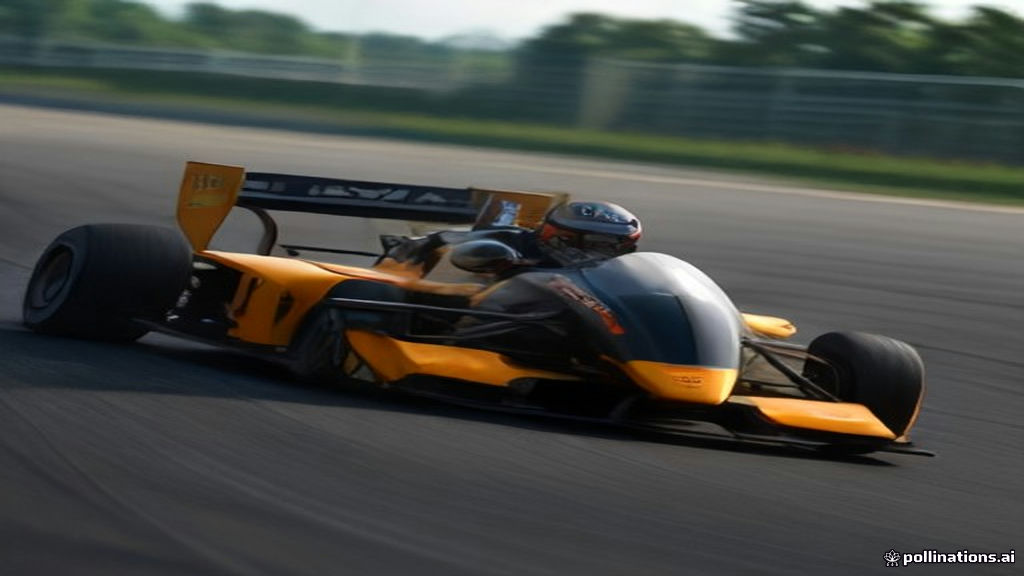
Batam Gokart: Definition, Track Layout Dynamics, and How Circuit Design Shapes Speed
A high-performance batam gokart facility isn’t just an asphalt ribbon thrown together in an empty parking lot. It is an engineered playground where corner radius, camber, and track width work in a delicate dance to either preserve or destroy kinetic energy. Every meter of pavement forces a trade-off between entry speed, apex position, and exit traction. When circuit architects map out a layout, they calculate how gokart tires handle lateral G-forces under varying thermal loads.
This matters directly to you because your driving style must adapt to the physical constraints of the tarmac, not the other way around. If you approach a decreasing-radius turn with the same technique you use for a hairpin, you will understeer straight toward the outer barriers. Track design dictates the rhythm of the lap, telling you precisely when to breathe off the throttle and when to commit.
Picture a damp afternoon session at a popular local circuit. Driver A tries to muscle a heavy rental kart through a tightening chicane by sawing at the steering wheel, scrubbing off precious momentum. Meanwhile, Driver B takes a wider, arcing entry that sacrifices early apex speed for a completely straight exit line. Driver B pulls away effortlessly down the subsequent straight simply because they respected the layout’s geometric demands.
The Anatomy of a Fast Lap: How Corner Radius and Elevation Dictate Momentum
Corner radius determines the maximum lateral grip a chassis can generate before the rear tires break traction. A constant-radius sweeper allows drivers to maintain a steady throttle percentage, whereas a variable-radius turn demands constant micro-adjustments with your fingertips and feet. Practitioners in the field look at these corners as geometric puzzles where the exit is always more valuable than the entry.
Elevation changes add an entirely different layer of complexity to this equation. When a track dips downward, the vertical load on the front tires increases, sharpening turn-in bite while making the rear end dangerously light. Conversely, climbing a crest unloads the front suspension, pushing the kart wide if you haven’t prepped your steering angle beforehand. If you want to dive deeper into analyzing performance patterns like these, sometimes utilizing tools such as CustomGPT helps structure unstructured track notes and telemetry logs into clear, actionable insights.
Consider what happens when you crest a blind rise while carrying too much entry speed. The chassis unloads instantly, the front wheels lose their bite, and you find yourself sliding helplessly across the rumble strips. Experienced racers learn to apex slightly later over crests, ensuring the kart is already pointed straight before gravity robs them of steering authority. Getting this wrong once costs you half a second; getting it wrong every lap ruins your entire race weekend.
High-Speed Sweepers vs. Tight Hairpins: Which Layout Elements Challenge Drivers Most?
Sweepers test your raw nerve, while hairpins expose every flaw in your braking technique. When you approach a wide-radius sweeper at a typical batam gokart circuit, the main battle is convincing your brain to stay off the brake pedal. Your survival instinct screams that you are carrying too much speed. Meanwhile, the physics of the kart argue that a delicate, rolling lift is all you need to keep the chassis balanced.
Hairpins demand the exact opposite mindset. You must brake in a straight line, rotate the kart sharply around an imaginary post, and get back on power before the exit kerb runs out. In my experience, drivers waste more time overslowing hairpins than any other corner type. They treat the apex like a traditional stop sign instead of a pivot point. If you turn in too early, you scrub front-end grip and wash wide toward the outside barriers.
That challenge scales up significantly when weekend travelers plan a trip, often taking a quick ferry to batam from singapore just to test their mettle against local lap records. Those visitors usually master the high-speed sweepers quickly because bravery translates well across different tracks. Hairpins humble them instantly, though. They underestimate how much mechanical grip a rental chassis actually possesses when you throw it at an apex.
- Sweepers reward smooth steering inputs and early throttle application.
- Hairpins punish trail-braking errors and late apex choices.
- Momentum preservation matters more than peak horsepower on tight circuits.
Common Setup and Driving Mistakes on Technical Circuits and How to Avoid Nodes
Too many drivers tinker endlessly with tire pressures while completely ignoring their own driving posture. When your body weight shifts unpredictably mid-corner, no chassis setup in the world can compensate. I often watch racers slouch in the seat, letting their shoulders roll. That bad habit kills the lateral weight transfer needed to bite into asphalt.
Also Read: Barbershop: Gaya Hidup Baru Kaum Pria, Peluang Bisnis Menggiurkan
Another classic blunder involves turning the steering wheel too violently on corner entry. You think you are being aggressive and fast. In reality, you are overloading the front contact patch and turning your rubber into hot grease. When heading out for a serious hot lap session, many enthusiasts balance their weekend itinerary by mixing intense track time with casual things to do in Singapore or nearby coastal spots to clear their minds. Mental fatigue leads directly to lazy hands and missed braking markers.
Practitioners recommend keeping your elbows bent and your gaze locked far ahead down the tarmac. If you stare directly at the barrier five feet in front of your bumper, your hands will automatically steer you toward it. Look for the exit curb instead, and let your peripheral vision handle the apex. Fixing that single habit usually shaves a full second off a novice lap time without touching a single bolt on the kart.
Practical Setup Tips From Experienced Track Practitioners and Local Racers
Local track veterans know that morning sessions offer a distinct advantage over afternoon runs. As the asphalt bakes under the equatorial sun, grip levels drop sharply as oils rise to the surface. If you want to set a personal best time during a batam gokart outing, aim for the first hour of track availability when the air is cooler and the rubber laid down the day before still offers bite.
Tire pressure management requires a delicate touch that few beginners understand. Practitioners suggest checking cold pressures before heading out, but always measure hot pressures immediately after pulling into the pits. If the rear tires spike in pressure too quickly, you are sliding too much and generating excess heat. Smooth out your steering arc to bring those numbers back into the sweet spot.
For racers looking to organize corporate events or deep-dive coaching sessions with regional experts, the Batam Business Community (https://www.batambisnis.com) frequently coordinates track days and networking meetups for enthusiasts. You can reach out directly via WhatsApp at https://wa.me/628136341405 (chat now) to learn about upcoming private circuit buyouts. Getting dedicated track time without traffic lets you test different racing lines undisturbed, which remains the absolute fastest way to master complex circuit layouts.
Frequently Asked Questions about Batam Gokart and Track Engineering
What is a batam gokart circuit layout, and how does it affect lap times?
A batam gokart circuit layout refers to the specific physical configuration of turns, straights, and elevation changes at local racing facilities. Track design directly dictates momentum management, meaning a poorly timed entry into a single hairpin can ruin your acceleration down the entire following straight. Because lap times hinge on maintaining minimum cornering speed, layout geometry forces drivers to constantly balance aggressive steering inputs with smooth throttle application.
How do you approach a tight hairpin corner on a technical track?
When tackling a sharp hairpin, veteran racers generally recommend a late apex strategy to maximize your exit speed. You need to brake in a straight line before turning in, rotate the kart quickly at the geometric center of the turn, and get back on the power as early as possible. If you turn in too early, you scrub off valuable momentum and push wide toward the outer barriers.
Is an outdoor asphalt circuit better for lap time consistency than indoor tracks?
Outdoor circuits usually offer more consistent layout challenges and longer straights, though track grip fluctuates wildly depending on ambient temperature and tire rubber buildup. Indoor tracks feature polished concrete surfaces that remain weather-independent, but they often rely on tight, repetitive ninety-degree turns. For serious speed development, outdoor setups give drivers a much better platform to practice high-speed weight transfer.
How can I prevent my rear tires from overheating during a long rental session?
Overheating usually happens when you slide the rear end too much due to abrupt steering inputs or early throttle application. To keep tire temperatures stable, focus on smoothing your hand movements and maintaining a clean, parabolic arc through sweeping turns. If your lap times drop significantly after lap five, try dialing back your entry speed to reduce scrub.
What is the best way to choose the right racing line on an unfamiliar track?
Start your first session by identifying the widest possible entry and exit points for every major corner, treating multiple apexes as a single fluid curve. Watch where local regulars place their karts during club races, as they have usually figured out the quickest paths through bumpy or low-grip asphalt sections. Walking the circuit on foot before putting on your helmet also helps you spot hidden camber changes and surface patches.
How does track temperature change your optimal braking markers?
As the asphalt bakes under the midday sun, overall surface grip drops noticeably, meaning your tires will lock up much earlier under braking. You generally have to move your braking markers a few meters further back compared to a cool morning session. Ignoring this shift leads to missed apexes and frustratingly sluggish lap times.
For more information or to plan your next group outing, contact Batam Business Community via WhatsApp today. Visit Batam Business Community for similar services, private track day coordination, and local networking events.
Common Mistakes to Avoid
Stepping into a rental kart for a weekend session feels straightforward enough until the stopwatch tells a different story. Most drivers lose precious tenths of a second not from a lack of raw courage, but from falling into predictable mechanical traps.
Here is what usually trips up drivers at a typical batam gokart circuit, along with the corrected approach.
-
Slapping the steering wheel in panic.
Many newcomers jerk the wheel violently when the front tires start to slide. This only overloads the front contact patch and scrubs off vital momentum. Instead, keep your steering inputs smooth and progressive, allowing the chassis to take a set before demanding a sharp direction change.
-
Riding the brake pedal while applying throttle.
It is tempting to keep one foot resting on the brake to feel secure, but this creates unnecessary drag and overheats the rear brake rotor. The correct technique requires a clean, decisive transition: lift your right foot completely off the brake before rolling onto the accelerator.
-
Ignoring the rubber build-up offline.
Drivers often stick rigidly to the painted racing line even when heavy rubber marbles collect on the outside edges, ruining their traction. Watch how the asphalt changes color and move slightly offline if the primary racing groove loses its initial bite.
-
Sitting too stiffly in the seat.
Clenching your shoulders and fighting the chassis makes you completely numb to what the rear tires are doing. You need to stay relaxed in your upper body so your torso can absorb the lateral G-forces and help weight-transfer the kart naturally through tight hairpins.
Advanced Tips From Practitioners
Translating a decent lap into a genuinely fast one requires looking past standard driving lines and understanding how rental karts communicate through the chassis. Experienced regulars at any local batam gokart track do not just drive with their hands; they drive with the seat of their pants.
Weight transfer is your ultimate tool when dealing with fixed-seat rental machinery that lacks suspension tuning. If you are struggling with understeer mid-corner, try a sharp lift-off the throttle for a split second just before turn-in. This momentary weight shift unloads the rear tires and forces the nose to bite hard into the apex.
Another secret weapon involves managing your momentum through sweeping complexes rather than treating every turn as an isolated event. Sacrifice your entry speed into the first corner of a chicane if it means getting a straight, uninhibited run down the following straightaway. The stopwatch always rewards exit speed over flashy corner entry heroics.
Want to test these strategies out with fellow enthusiasts or organize a structured group track day? Reach out directly to the Batam Business Community to coordinate your next outing. You can easily chat now via WhatsApp to plan private sessions, connect with local drivers, and get insider tips before you hit the circuit.
References & Sources
Watch the Related Video
Do Not Miss! Watch the Video Above and Learn More.
Click Here for More Information

A Blogger, Writer, and Digital Marketing Specialist dedicated to helping local SMEs (Small and Medium Enterprises) grow and promote their businesses across Indonesia, Singapore, and Malaysia.
Author: Armein Hutagaol
A Blogger, Writer, and Digital Marketing Specialist dedicated to helping local SMEs (Small and Medium Enterprises) grow and promote their businesses across Indonesia, Singapore, and Malaysia.