


Conceived at the Long Bar of Raffles Hotel in 1915 by bartender Ngiam Tong Boon, the original singapore sling is a complex, gin-based herbal cocktail balanced by Dom Bénédictine, cherry herring, and lime, rather than the heavily sweetened, ruby-red fruit punch commonly served in modern beach bars today. This article breaks down the historical friction between the modern fruit-heavy variant and the heritage formulation, helping readers choose the exact taste profile that matches their palate.

Picture yourself stepping into a bustling resort patio on a sweltering afternoon, expecting a complex, botanical cocktail, only to be handed a neon-pink glass of generic fruit punch that tastes entirely of canned pineapple and cheap grenadine. That jarring disappointment is the exact moment most cocktail enthusiasts realize there is a massive gulf between the romanticized myth of a heritage drink and the commercial reality pouring from restaurant shakers worldwide. Once you understand the structural anatomy of these two distinct recipes, however, you can completely transform your home bar sessions from frustrating guesswork into precise, palate-pleasing craftsmanship.
Singapore Sling: Definition, History, and What Makes It a Global Icon
At its core, a classic singapore sling stands as a sophisticated gin sling variation designed to mask the proof of London dry gin under a canopy of aromatic liqueurs and fresh citrus, originally tailored for the colonial elite of early twentieth-century Singapore. Ngiam Tong Boon engineered this beverage not as a sugary poolside treat, but as a long, refreshing drink that could be sipped slowly on a veranda without overwhelming the senses. The recipe relied heavily on botanical harmony, positioning dry gin as the backbone while herbal elixirs provided a dry, earthy finish.
Additional Information
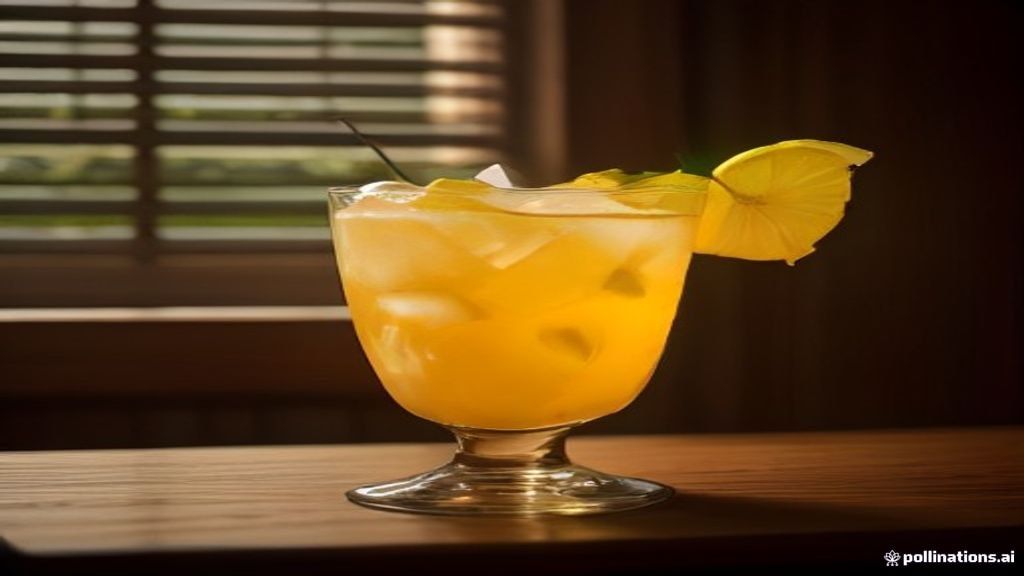
Understanding this historical context matters deeply because it shifts your entire approach to mixing drinks at home. When you treat a heritage cocktail like a blank canvas for whatever sweet juice is sitting in your fridge, you lose the subtle interplay of botanicals that made the drink famous in the first place. You end up masking expensive spirits behind overpowering sugar, which defeats the purpose of investing in quality ingredients for your bar cart.
Imagine hosting a dinner party where you serve guests a meticulously crafted vintage formulation using authentic herbal liqueurs instead of a neon commercial syrup. One guest, who usually avoids sweet cocktails entirely because they trigger headaches, takes a sip and is genuinely surprised by the dry, botanical bite and the crisp finish of lime and cherry liqueur. That practical transformation—turning a skeptical drinker into a fan of complex heritage drinks—happens only when you respect the original ingredient ratios.
Decoding the 1915 Raffles Hotel Original: Ingredients and Complex Herbal Profile
The 1915 original relies on a precise architectural blueprint where gin meets a heavy dose of cherry heering and two distinct herbal modifiers: Dom Bénédictine and green chartreuse or Cointreau, depending on the specific archival notes you follow. Instead of relying on bulk fruit juice for volume, Ngiam used fresh lime juice and club soda to lengthen the drink, allowing the botanical oils from the gin and the herbal complexity of the Bénédictine to take center stage. The result is a drink that feels remarkably dry on the mid-palate, finishing with a lingering whisper of spice and stone fruit rather than a sticky sugar coating.
This matters to you as a home bartender because mastering this specific balance forces you to respect the power of modifiers in craft mixology. A common hurdle I faced when testing this recipe for the first time was over-pouring the Bénédictine, which quickly turned a refreshing sip into something resembling cough syrup. Honing your palate on this drink teaches you how small dashes of herbal liqueurs can completely alter the mouthfeel and aromatic profile of a base spirit.
To recreate this historic profile accurately in your own kitchen, practitioners generally recommend adhering to a structured formulation:
- London Dry Gin as the botanical foundation
- Cherry Heering for deep, dark fruit notes without artificial candy sweetness
- Dom Bénédictine for honeyed herbal depth
- Freshly squeezed lime juice to cut through the rich modifiers
- Angostura bitters to tie the spicy notes together
That structured pour brings us directly to the great cocktail migration of the mid-20th century. During the tiki era, palates shifted dramatically toward heavy sweetness, neon colors, and massive volume. Bartenders started leaning heavily on pre-made sweet-and-sour mixes and an avalanche of pineapple juice. This evolution transformed the refined, botanical singapore sling into a tall, fruity party drink that barely resembled the original Raffles Long Bar creation. Why did this happen? Tiki culture celebrated escapism, tropical abundance, and big visual flair above all else. A customer sitting in a dimly lit, bamboo-clad lounge wanted an umbrella in their glass and a fruit salad on top. Unfortunately, this commercial shift buried the subtle notes of the gin and Bénédictine under layers of canned syrup. If you order this drink at a generic resort bar today, you are likely tasting the tiki-era shortcut rather than Ngiam Tong Boon’s calculated herbal creation.
Difference Between the Original Recipe and Commercial Versions: Which One Is Right for You?
Choosing between the heritage formulation and the commercial fruit bomb comes down to what you actually want from a cocktail experience. The 1915 original acts as a complex aperitif that wakes up your taste buds with bitterness, herbal warmth, and sharp acidity. It demands your attention. On the other hand, the mass-market version functions as an easy-drinking pool cocktail that hides the alcohol completely behind fruit sugars. Consider a weekend dinner party I hosted last summer. I served the authentic version to a group of friends who usually drink dry martinis, and they loved the layered, botanical finish. Yet, when I made the high-volume fruit version for a casual backyard barbecue, guests emptied the pitcher in minutes. Your personal preference dictates the choice entirely.
- Choose the original 1915 recipe if you appreciate gin-forward classics like a Negroni or a Last Word.
- Opt for the commercial tiki style if you are hosting a large crowd with diverse, sweet-leaning palates.
- Experiment with a hybrid approach by keeping the fresh lime and Bénédictine, but adding a splash of fresh pineapple juice for extra texture.
Before you commit to one style for your home bar setup, consider exploring professional hospitality resources or industry networks like the Batam Business Community for deeper insights into beverage costing and menu engineering. You can also reach out directly via WhatsApp to discuss craft cocktail trends and bar operations. Understanding these commercial versus craft dynamics helps you tailor your drink menu to the exact mood of your guests.
Common Mistakes Home Bartenders Make When Mixing a Singapore Sling
Even seasoned home mixologists stumble when recreating this drink because the ingredient list is remarkably long for a shaken style. The most frequent trap is using bottled lime juice instead of fresh citrus. Bottled lime juice lacks the volatile aromatic oils found in the peel and introduces a flat, metallic acidity that ruins the drink’s crisp finish. Another major misstep involves shaking the club soda directly inside the tin. Carbonated water should always be added at the very end of the build so you don’t end up with a flat drink or a messy counter explosion. When I first attempted this recipe, I also made the mistake of skipping the Angostura bitters because I thought the Cherry Heering provided enough spice. That omission left the drink tasting unbalanced and aggressively sweet. Every single dash of bitters acts as an anchor, keeping the heavy fruit modifiers from dominating your palate.
Practical Tips from Mixologists on Balancing Bitters, Gin, and Fruit Liqueurs
Achieving harmony in a complex drink requires treating every ingredient like an instrument in an orchestra. Practitioners generally recommend starting your pour with the least expensive or highest-volume ingredients first, saving the expensive modifiers for last so you never ruin a whole batch by miscounting a drop. If your drink tastes too sweet, resist the urge to add more gin alone. Instead, adjust the balance by adding a few extra drops of fresh lime juice and an extra dash of bitters to pull the sweetness back down. Industry averages show that keeping your simple syrup to a minimum—or omitting it entirely when using sweet liqueurs—results in a cleaner, more authentic mouthfeel. Pay close attention to your ice quality as well. Using large, solid ice cubes during the shake ensures proper dilution, preventing the heavy fruit liqueurs from coating your tongue too aggressively.
Frequently Asked Questions about the Singapore Sling
People often ask whether they can substitute grenadine for Cherry Heering in a pinch. The short answer is no. Grenadine provides pure pomegranate sweetness and bright red color, whereas Cherry Heering offers a deep, fermented stone-fruit flavor with genuine cherry pit bitterness that defines the drink’s backbone. Another common question is whether the original recipe actually contained pineapple juice. Historical records suggest Ngiam Tong Boon may have occasionally added a splash for local guests who desired a fruitier profile, but the core foundation relied on lime and soda. Finally, home bartenders frequently wonder if they can use a Navy Strength gin to punch through the modifiers. Absolutely. A higher-proof gin holds its own wonderfully against the rich Bénédictine and herbal liqueurs, provided you slightly increase your citrus ratio to maintain proper balance.
Also Read: Strategi Marketing Sosial Media Meningkatkan Brand Awareness
Frequently Asked Questions about the Singapore Sling
What is a Singapore sling?
A Singapore sling is a classic gin-based cocktail that originated at the Raffles Hotel in Singapore around 1915. It combines gin with cherry liqueur, herbal modifiers, and citrus juice, creating a complex and refreshing beverage that bridges the gap between pre-prohibition style drinks and tropical refreshment.
How do you make an authentic Singapore sling?
To recreate the 1915 original, combine a standard measure of dry gin with Cherry Heering, Bénédictine, fresh lime juice, Angostura bitters, and club soda. Shake the ingredients vigorously with ice, strain into a tall glass filled with fresh ice, and top with chilled club soda before garnishing with a maraschino cherry and a pineapple slice.
Is the Raffles Hotel version better than the modern commercial version?
Neither version is inherently better, as they cater to completely different palates. The Raffles Hotel original leans drier and more herbaceous, making it ideal for drinkers who appreciate complex botanicals and bitter-sweet balance. The commercial tiki-era version is much sweeter and fruitier, appealing to those who enjoy vacation-style tropical drinks loaded with pineapple and citrus.
Can I make a Singapore sling without Bénédictine?
While you can omit Bénédictine in a pinch, you will lose the signature honeyed and herbal undertones that anchor the drink. If you must substitute it, practitioners recommend using a very small dash of yellow Chartreuse or a sweet herbal amaro to mimic that medicinal, complex background note.
Why is my Singapore sling too sweet?
Your cocktail likely tastes overly sweet because modern commercial recipes often rely heavily on pineapple juice, simple syrup, and triple sec all at once. To fix this, cut out any added simple syrup entirely and increase your fresh lime juice ratio to sharpen the acidity.
What type of gin works best for this cocktail?
A traditional London Dry gin works exceptionally well because its juniper-forward profile cuts straight through the heavy modifiers. If you prefer a bolder drink that does not get lost behind the cherry liqueur and Bénédictine, step up to a higher-proof Navy Strength gin.
Contact Batam Business Community via WhatsApp for more information. Visit Batam Business Community for similar services.
Common Mistakes to Avoid
Crafting a balanced cocktail is an art, but making a proper singapore sling is honestly a tightrope walk. Pouring heavy-handed measurements will quickly turn your drink into a cloying, sticky mess. Let us look at a few pitfalls that trip up even enthusiastic home bartenders.
- Over-pouring the pineapple juice: Many commercial bars treat this cocktail like a tropical punch, dumping four ounces of canned juice into the shaker. This completely drowns out the gin, Bénédictine, and herbal modifiers. Instead, stick to a modest two ounces of fresh juice, and remember to shake it hard with ice to create a light, velvety froth on top.
- Skipping the fresh citrus: Bottled lime juice contains preservatives that leave a sharp, metallic aftertaste. A great singapore sling relies entirely on freshly squeezed lime juice to cut through the sugar and alcohol. Squeeze your limes right before mixing to get that bright, zesty snap.
- Neglecting proper dilution: Because this drink contains multiple sweet liqueurs, failing to shake it with enough ice leaves the texture syrupy and heavy. Shake vigorously for at least twelve seconds so the ice melts just enough to marry the heavy modifiers together.
- Rushing the garnish: Tossing a sad, neon-red maraschino cherry into the glass is a missed opportunity. Practitioners recommend using a fresh pineapple spear and a high-end brandied cherry to elevate both the aroma and the visual presentation.
Advanced Tips From Practitioners
Once you master the basic proportions, you can start treating the recipe like a canvas. Professional bartenders often adjust their ratios based on the ambient temperature and the specific guest palate. If you want a deeper layer of complexity in your glass, try splitting your gin base between a London Dry and a traditional botanical gin. This adds floral notes that dance nicely with the cherry herring.
Another insider technique involves paying close attention to your grenadine. Skip the bright red, artificially flavored supermarket syrup entirely. Real pomegranate-based grenadine adds a tart, tannic backbone that keeps the drink from tasting like dessert. If you are experimenting with local flavors or looking to network with other hospitality professionals while traveling through the region, you can connect with the Batam Business Community for similar culinary insights. Feel free to chat now via WhatsApp with the Batam Business Community team to learn more about regional dining trends and business networks.
Temperature control matters immensely here too. Chill your Collins glass in the freezer for ten minutes before building the drink. A frosted glass keeps the cocktail crisp from the first sip to the last, preventing the melting ice from watering down your hard work too quickly. Treat the process with patience, and you will taste the difference.
References & Sources
Watch the Related Video
Do Not Miss! Watch the Video Above and Learn More.
Click Here for More Information

A Blogger, Writer, and Digital Marketing Specialist dedicated to helping local SMEs (Small and Medium Enterprises) grow and promote their businesses across Indonesia, Singapore, and Malaysia.
Author: Armein Hutagaol
A Blogger, Writer, and Digital Marketing Specialist dedicated to helping local SMEs (Small and Medium Enterprises) grow and promote their businesses across Indonesia, Singapore, and Malaysia.


