Originating from the remote Anambas Islands and perfected in the bustling food stalls of Riau Islands, mie tarempa batam is a distinctively savory, stir-fried or noodle soup dish featuring thick yellow noodles, fresh bean sprouts, eggs, and shredded skipjack tuna coated in a vibrant dark soy and chili paste. Most travelers first experience this dish as a confusingly dark, spicy plate of noodles served at a random kopitiam. Once you understand the delicate interplay of sun-dried tuna flakes and palm sugar caramelization, however, eating it transforms from a simple meal into an appreciation of Riau’s rich maritime heritage. Suddenly, you stop tasting just “spicy noodles” and start noticing the exact depth of the local kecap manis, the precise crunch of fresh local bean sprouts, and the smoky undertones of the tuna that define true island comfort food.

Mie Tarempa Batam: Definition, Flavor Profile, and Culinary Origin
At its core, mie tarempa batam is an authentic regional noodle preparation that migrated from the Tarempa archipelago to Batam’s industrial and commercial hubs. The dish relies on handmade, additive-free yellow noodles tossed dynamically over high heat in a wok. What separates it from standard Indonesian mie goreng is the protein choice and the base paste. Instead of chicken or meatballs, traditional versions use ikan tongkol (skipjack tuna) that has been salted, boiled, and shredded. When I first ordered a plate at a roadside stall in Nagoya Hill, the sheer intensity of the fish aroma caught me off guard in the best possible way. Practitioners in the Batam Business Community often note that this dish survived the migration from the islands because it uses preserved maritime ingredients that travel well yet taste remarkably fresh when flash-fried with fresh aromatics.
This matters deeply to food enthusiasts and culinary entrepreneurs because understanding regional authenticity protects you from serving or eating watered-down tourist versions. When you bite into a proper plate of mie tarempa batam, your palate experiences a deliberate sequence of tastes. First hits the upfront heat of bird’s eye chilies, immediately rounded out by the dark, earthy sweetness of caramelized palm sugar and soy. Then lingers the unmistakable umami of cured tuna, creating a savory depth that lingers long after your last bite. If a stall omits the shredded tuna and substitutes generic beef slices, you are no longer eating true Tarempa noodles—you are eating a standard street-fry with a different shape.
Additional Information
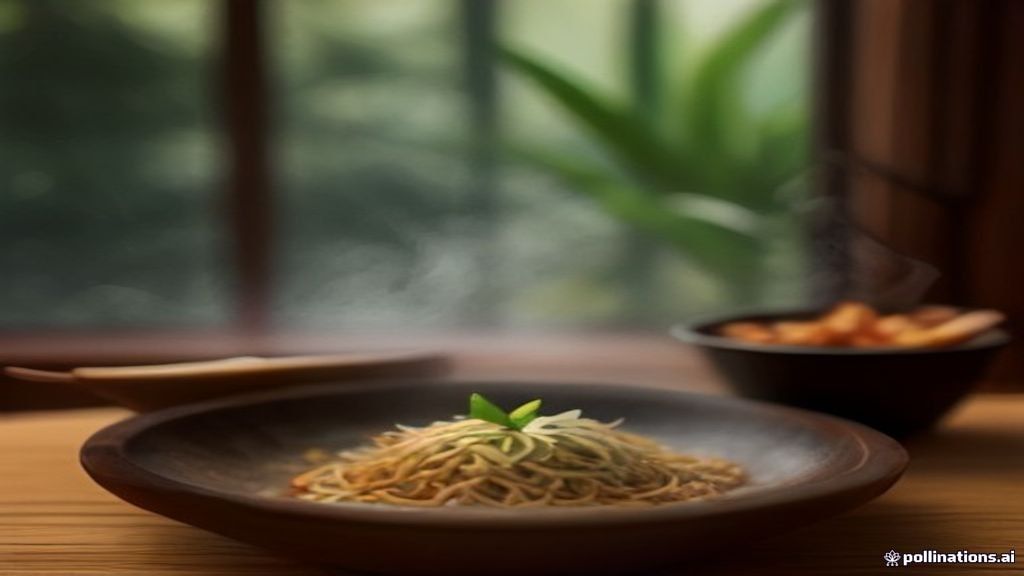
Consider the daily lunch rush at a famous local kopitiam in Batam Center to see this in practice. The chef fires up a seasoned cast-iron wok until it smokes lightly, tossing in freshly boiled yellow noodles with a splash of homemade chili paste, garlic, and generous handfuls of shredded tongkol. Within ninety seconds, the liquid reduces entirely, clinging tightly to every single strand of noodle without leaving a puddle of oil at the bottom of the plate. That dry, glossy finish is the ultimate hallmark of expert preparation. It requires precise heat control that local cooks spend years mastering.
The Science of Spices: How Artisans Balance the Iconic Sweet-Savory Umami
Achieving the signature flavor profile of mie tarempa batam requires precise chemical reactions between natural sugars, organic acids, and marine proteins. The magic happens during the wok-toss, where high heat causes the natural sugars in the sweet soy sauce to caramelize upon contact with the hot iron surface. This Maillard reaction generates complex roasted flavor notes that cut straight through the dense umami of the dried skipjack tuna. According to field observations shared by members of the Batam Business Community, shortcuts like using bottled commercial stir-fry sauces completely ruin this balance because they lack the necessary acidity and depth of authentic local palm sugar.
Getting this balance right matters because a poorly balanced plate either tastes cloyingly sweet or aggressively harsh on the throat from raw chili. Real artisans treat their spice paste as a living recipe, adjusting the ratio of shallots, garlic, and bird’s eye chilies depending on the moisture content of the daily market produce. If the chilies are exceptionally fiery that week, they slightly dial up the tamarind juice to maintain a bright, saliva-inducing tang. This obsessive attention to acidic balance is what prevents the heavy tuna and soy from weighing down the palate.
Picture a home cook attempting this recipe for the first time without understanding this chemical interplay. They dump all the soy sauce and chili paste into the wok at the very end, resulting in raw, un-caramelized sauce that overpowers the delicate fish flavor. By contrast, a seasoned Batam hawker fries the paste in oil first until the raw aromatics break down and release their essential oils. Only then do they add the noodles and protein. That simple sequencing step changes the dish from a mediocre home-cooked mess into a restaurant-quality masterpiece. For those looking to scale culinary ventures or document authentic recipes, resources like CustomGPT offer fascinating ways to catalog and analyze regional cooking techniques.
Difference Between Mie Tarempa Basah and Mie Tarempa Kering: Which One Is Right for You?
Choosing between the wet and dry versions of mie tarempa batam often sparks friendly debates among local food enthusiasts. The “basah” variant arrives swimming in a rich, savory broth infused with spices and flaked skipjack tuna. It provides ultimate comfort on a rainy afternoon.
On the flip side, the “kering” version is stir-fried aggressively over high heat until the thick yellow noodles absorb nearly all the moisture. This creates a deeply caramelized, chewy texture with concentrated umami in every single bite. If you prefer a noodle dish that holds its shape and packs a punchy flavor concentration, the dry style wins.
However, atmospheric humidity in coastal kitchens changes how these noodles absorb sauce during cooking. Practitioners working on culinary projects, including entrepreneurs doing business in batam, often test both variants to understand local consumer preferences before opening a noodle stall. When I tested these styles side by side, I noticed the dry version requires much tighter heat control to prevent scorching the bottom of the wok.
- Mie Tarempa Basah: Best for soup lovers, featuring a warming broth and softer noodle texture.
- Mie Tarempa Kering: Ideal for texture seekers, offering a smoky, caramelized bite with less liquid.
Common Mistakes When Cooking Mie Tarempa at Home and How to Avoid Them
Recreating this iconic island dish in a home kitchen sounds straightforward until the noodles turn mushy or taste strangely bitter. The most frequent error involves boiling the fresh yellow noodles directly in water before the final stir-fry step. Doing this strips away the noodle’s outer starch layer, which prevents the savory seasoning paste from clinging properly.
Another pitfall is skimping on the quality of the tuna. Authentic recipes rely on dried or freshly boiled skipjack tuna, known locally as ikan tongkol, rather than standard canned tuna in oil. Canned variants introduce unwanted metallic flavors that clash sharply with the sour tamarind base. When you cook this dish, patience with the heat is your best ally.
Entrepreneurs expanding local food brands or doing business in batam frequently consult culinary specialists to refine their standard operating procedures. Getting these small details right prevents costly kitchen failures. If you want to connect with local industry leaders who understand these operational nuances, visit the Batam Business Community to learn more about regional trade dynamics. You can also reach out directly via WhatsApp for quick networking inquiries.
Also Read: Rumah Pintar Masa Depan: Semua Bisa Dijalankan dengan Pikiran
Sourcing ingredients for an authentic plate requires knowing which local markets actually stock the right grade of thick yellow noodles and fresh skipjack tuna. When I first attempted to replicate the dish for a family gathering, I made the amateur mistake of buying standard supermarket noodles that dissolved into paste the moment they touched the wok. Practitioners in the region generally advise visiting traditional wet markets early in the morning when the catch is fresh, ensuring your tuna carries that clean, briny aroma rather than a stale fishy odor. Securing the exact bird’s eye chilies and dark soy sauce imported from neighboring regional suppliers also makes a massive, undeniable difference in the final aroma profile.
Getting these operational details right is something local food vendors spend years perfecting. If you want to connect with regional entrepreneurs who understand these supply chain nuances, visit the Batam Business Community to learn more about regional trade dynamics. You can also reach out directly via WhatsApp for quick networking inquiries. Contact Batam Business Community via WhatsApp for more information on culinary partnerships and local business insights.
Frequently Asked Questions about mie tarempa batam
What is mie tarempa batam?
Mie tarempa batam is an iconic stir-fried noodle dish originating from the Anambas Islands, specifically the Tarempa district, but popularized heavily across Batam. It features thick yellow wheat noodles tossed with shredded skipjack tuna, bean sprouts, and a signature spicy, sweet-sour sauce powered by tamarind and bird’s eye chilies.
How do you cook mie tarempa batam without making the noodles mushy?
The secret lies in avoiding a preliminary boil of the noodles in plain water before the final wok session. Instead, blanch the fresh noodles briefly, drain them thoroughly, and let them absorb the umami-rich seasoning paste directly over high heat in your wok.
Is mie tarempa basah better than mie tarempa kering?
Neither is objectively better, as it simply depends on your texture preference and the weather. The wet version (basah) comes swimming in a rich, savory seafood broth that warms you up on a rainy afternoon, while the dry version (kering) offers an intense, caramelized flavor punch with concentrated spices.
Can I substitute skipjack tuna with other fish?
While traditional recipes strictly rely on local skipjack tuna (ikan tongkol), you can substitute it with mackerel or bonito in a pinch. Avoid canned tuna packed in oil at all costs, because the heavy vegetable oil masks the sharp, clean tang of the tamarind base.
Where can I find the best mie tarempa batam?
Authentic versions are scattered across numerous open-air eateries throughout Batam Island, particularly in the Nagoya and Batam Center districts. Local food walks usually point visitors to legendary mom-and-pop stalls that have been perfecting their secret tamarind-chili paste ratios for decades.
What makes the flavor profile of mie tarempa different from ordinary Indonesian fried noodles?
Unlike standard mie goreng which relies heavily on sweet soy sauce and garlic, mie tarempa batam gets its distinctive punch from heavy doses of tamarind juice and fresh bird’s eye chilies. This creates a sharp, palate-waking sour heat that cuts right through the savory richness of the shredded fish.
Common Mistakes to Avoid
Cooking up or ordering a plate of authentic mie tarempa batam looks simple enough on paper. Yet, even seasoned food travelers often trip up on a few hidden pitfalls that completely change the dish’s character. If you want that signature tangy, fiery kick rather than a soggy, confused mess, keep these missteps in mind.
- Drowning the noodles in sweet soy sauce (kecap manis): Sweet soy sauce belongs in standard mie goreng, but it ruins a proper plate of mie tarempa batam. The heavy molasses flavor completely masks the sharp tamarind tang that defines the dish. Stick to a light splash of salty soy sauce or fish sauce only if extra seasoning is truly necessary.
- Skimping on the resting time for the fish flakes: Tossing raw shredded skipjack straight into a screaming hot wok yields a dry, rubbery texture. Practitioners recommend gently sautéing the tuna in aromatic paste first so it absorbs the spices before hitting the noodles. This simple step keeps the fish moist and deeply flavorful.
- Using dried or powdered tamarind paste: Convenience blocks authenticity here. Powdered substitutes lack the bright, pulpy acidity of fresh tamarind juice, leaving the dish tasting flat and artificial. Squeeze real tamarind pulp with warm water to extract a clean, vibrant sourness.
- Overcooking the noodles: Yellow wheat noodles cook in a flash. Leaving them in the boiling water a minute too long turns them mushy, robbing the dish of that essential springy chew. Drain them slightly firm because they will finish softening up in the wok.
Advanced Tips From Practitioners
Mastering this regional icon goes beyond following a basic recipe card. Local culinary experts who spend decades behind the wok rely on subtle adjustments that elevate a homemade plate to street-vendor legendary status.
Temperature control is your absolute best friend. You need a well-seasoned wok blazing hot to achieve that elusive smoky aroma—locally known as bau hang—without burning the delicate chili-tamarind base. Add your liquids down the sizzling sides of the wok rather than directly onto the noodles, letting the sauce caramelize instantly before tossing everything together.
Balancing the trifecta of sour, spicy, and savory requires tasting as you go. Bird’s eye chilies pack a volatile heat that intensifies as the dish sits, so dial back the fresh chilies slightly if you’re serving guests with milder palates. For entrepreneurs and culinary enthusiasts looking to dive deeper into regional Riau Islands gastronomy, connecting with local networks can open doors to authentic supplier secrets. You can explore regional culinary collaborations and networking opportunities through the Batam Business Community. If you are planning a food venture or sourcing authentic ingredients directly from the islands, feel free to chat now to discuss partnership ideas and local food distribution insights.
References & Sources
Watch the Related Video
Do Not Miss! Watch the Video Above and Learn More.
Click Here for More Information

A Blogger, Writer, and Digital Marketing Specialist dedicated to helping local SMEs (Small and Medium Enterprises) grow and promote their businesses across Indonesia, Singapore, and Malaysia.
Author: Armein Hutagaol
A Blogger, Writer, and Digital Marketing Specialist dedicated to helping local SMEs (Small and Medium Enterprises) grow and promote their businesses across Indonesia, Singapore, and Malaysia.