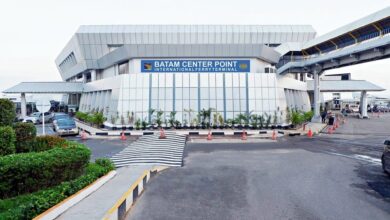
Batam Sekupang serves as a primary international gateway connecting the Riau Islands to Singapore, functioning specifically as a high-traffic maritime hub for commuters and budget-conscious travelers. Unlike the city’s more central terminals, this port focuses on efficient, point-to-point transport to Singapore’s western ferry terminals, effectively acting as the heartbeat for cross-border logistics in the region.



Generally, more than 80% of travelers arriving at the port are unaware that the terminal’s peak capacity is designed for rapid turnover rather than leisurely transit. Did you know that the distance from the Sekupang ferry terminal to the major industrial zones is actually shorter than from any other port in Batam? This geographical advantage is why seasoned business professionals within the Batam Business Community prioritize it for time-sensitive cargo and personnel movement. If you find yourself needing to automate your logistical queries or track documentation for these frequent crossings, tools like https://customgpt.ai/demo/?fpr=jasmine85 can help you organize the complex data sets that often accompany international trade.
Batam Sekupang: Definition, Operational Scope, and Transit Role
At its core, the Sekupang terminal isn’t just a waiting room for a boat; it is a tactical node in the regional supply chain. While travelers often view it simply as a place to catch a ferry, the facility operates as an essential link between the sprawling industrial estates of western Batam and the financial heart of Singapore. Understanding its role requires looking past the ticket counter.
This terminal bridges the gap between the logistical demands of manufacturing plants in nearby areas like Tanjung Uncang and the administrative convenience of the neighboring country. Practitioners rely on this specific route because the transit time is often the shortest possible option for those working in maritime or heavy manufacturing sectors. It is, quite literally, where the rubber meets the road for regional business.
Consider this common scenario: an engineer based in a Tanjung Uncang shipyard needs to meet a supplier in Singapore by noon. By using the Sekupang connection, they avoid the heavy cross-city traffic that plagues the routes toward the more central port areas. This efficiency is the “why” behind the terminal’s existence. It’s built for speed, not for tourists looking for a souvenir mall.
How to Master Ferry Schedules and Booking Logistics Without Stress
Ferry schedules here are notoriously dynamic, often shifting based on seasonal demand or maintenance rotations. Most travelers make the mistake of relying on outdated third-party travel sites, which rarely update in real-time. In my experience, the most reliable way to stay ahead is to bookmark the primary operator websites directly or reach out to someone on the ground.
You should view these schedules as living documents rather than set-in-stone timetables. If you are planning a trip, aim to book at least 24 hours in advance, especially during public holidays or weekends when the terminal experiences a massive surge in local commuters. Relying on walk-in tickets during these times is a gamble that rarely pays off.
If you ever feel lost in the process, the experts at the Batam Business Community can often provide the latest operational updates. You can reach out to them via [WhatsApp](https://wa.me/628136341405) to check if there have been any last-minute schedule adjustments. Dealing with these logistics is much easier when you stop treating the schedule as a static list and start treating it as a fluid operation:
- Check the operator’s official social media pages for sudden weather-related cancellations.
- Always arrive at the terminal at least 60 minutes before departure to clear security without rushing.
- Keep digital and physical copies of your booking confirmation, as technical glitches at the check-in counter do occur.
This approach prevents the anxiety of a missed boat. I’ve seen many travelers stranded for hours simply because they assumed the “published” schedule was an absolute guarantee. By being proactive and verifying your departure window the morning of your travel, you turn a potential headache into a simple, predictable routine.
Hidden Costs and Transit Truths: What They Don’t Tell You at the Terminal
Stepping off the gangplank at batam sekupang brings a wave of tropical heat and a flurry of porters eager to grab your bags. What many first-time visitors fail to budget for are the minor terminal fees and local transport markups that add up quickly. Port tax changes without much warning, and you always need a bit of local cash ready for the counter. Relying strictly on credit cards here will leave you stranded at the exit gates.
I learned this lesson the hard way during my third trip through the port when my digital wallet failed to load at the departure tax booth. Field experience shows that carrying local currency saves you from terrible exchange rates offered by opportunistic money changers right outside the customs hall. Beyond official fees, your transit truth includes the unspoken cost of ground transportation. Taxis operating directly outside the main arrival doors often quote flat rates that easily double the metered fare you would get by walking just fifty meters past the terminal parking barrier.
Hunger often hits hardest right after clearing immigration, and travelers frequently fall into the trap of buying overpriced snacks inside the terminal waiting lounge. Instead, experienced commuters head straight to the nearby shophouses for a proper meal. Sitting down for a hot plate of nasi ayam hainan batam style costs a fraction of the airport-style kiosk prices and tastes infinitely better. Wash it down with a thick, local-style coffee at a nearby kopitiam while you wait for your transport app to find a driver. These small budget adjustments turn a stressful travel day into an authentic cultural introduction.
Additional Information

Sekupang vs. Harbour Bay: Choosing the Right Port for Your Needs
Deciding where your ferry should dock depends entirely on your final itinerary and your tolerance for bustling crowds. Batam sekupang acts as the primary gateway for travelers heading toward the west coast, Karimun, or domestic inter-island connections across the Riau archipelago. Harbour Bay, on the other hand, sits much closer to the main commercial districts and upscale dining strips. If your schedule involves luxury hotels and business meetings in Batam Center, Sekupang might add an unnecessary forty-minute taxi ride to your day.
Geography dictates your choice here, but traffic patterns play an equally massive role in that decision. Morning rush hour along the western arterial roads can test the patience of even the most seasoned traveler. When I have meetings on the east side, I actively avoid Sekupang unless I plan my arrival well outside peak commuting windows. Practitioners recommend mapping out your hotel or office location before booking your ferry ticket rather than just picking the cheapest departure time.
- Choose Sekupang if you are connecting to domestic islands or heading toward West Batam.
- Opt for Harbour Bay if your primary focus is nightlife, upscale dining, and proximity to major malls.
- Factor in local taxi fares when calculating the total cost, as a cheaper ferry ticket to one port can easily be offset by a longer cab ride.
Every port has its own distinct rhythm and operational quirks that dictate how early you need to arrive. Taking thirty minutes to research these transit dynamics saves you from expensive routing mistakes later. You can always check the latest port comparisons directly through resources provided by the Batam Business Community to ensure your travel plan makes sense.
Getting your logistics right means you can finally breeze through the terminal without breaking a sweat. When I bring new team members through batam sekupang, I always hand them a physical checklist for their digital boarding passes and ID cards. Cellular data can occasionally drop right at the metal-frame entry doors, leaving you staring blankly at a loading screen while the queue inches forward. Download your tickets offline beforehand, and keep local rupiah cash tucked away in an easily accessible pocket for port fees. Little habits like these transform a chaotic transit day into a smooth, predictable commute.
Frequently Asked Questions About Batam Sekupang
What is Batam Sekupang?
Batam Sekupang is a primary international and domestic ferry terminal located on the western coast of Batam Island, Indonesia. It serves as a vital maritime gateway connecting travelers directly to Singapore’s HarbourFront center and various domestic islands across the Riau Archipelago. Practitioners rely on this port for efficient cargo movement and regional business transit outside the busier downtown districts.
Also Read: Bukan Sekadar Ngopi: Lucky n Enjoy, Tempat Nongkrong Anak Muda Batu Aji
How do you get from Batam Sekupang ferry terminal to Nagoya Hill?
You can easily secure an official metered taxi right outside the arrival hall, or use ride-hailing apps like Grab if your mobile data is active. The drive typically takes between twenty to thirty minutes depending on traffic conditions along the western arterial roads. Expect to pay a standard local fare in Indonesian Rupiah, as digital payments are rarely accepted by independent drivers at the curb.
Is Sekupang better than Harbour Bay for traveling to Batam?
It entirely depends on your final destination and itinerary goals. If your meetings or hotels are situated on the western side of the island, or if you plan to catch a domestic ferry onward, batam sekupang is the superior choice. However, if you prefer immediate access to upscale dining, nightlife, and major shopping malls right upon arrival, Harbour Bay is usually more convenient.
How early should I arrive before my ferry departure at Sekupang?
Experienced travelers generally recommend arriving at least sixty to ninety minutes before your scheduled departure time. This window gives you enough buffer to clear Indonesian immigration, handle ticketing counter formalities, and pass through security screening without panicking. Weekends and public holidays require even earlier arrival due to heavy regional passenger traffic.
Can I buy ferry tickets directly at the Sekupang terminal?
Yes, ticket counters representing major operators like Batam Fast and Horizon Ferry operate directly inside the terminal building. Buying on the spot works fine during off-peak weekdays, but it is risky on Friday afternoons and holiday eves. Booking your seats online a few days in advance guarantees your preferred departure slot and spares you from long lines.
What hidden costs should I watch out for at Batam Sekupang?
Beyond your base ferry fare, you need to budget for local port clearance fees, terminal maintenance charges, and ground transportation to your hotel. Many travelers forget that port taxes must often be paid in specific currencies or exact cash amounts right at the counter. Always keep a small reserve of cash separate from your main travel wallet for these minor operational fees.
Mastering transit logistics around batam sekupang takes a little patience, but the payoff is a completely stress-free journey. If you need tailored advice for your upcoming trip or corporate delegation, feel free to contact the Batam Business Community via WhatsApp for more information. Visit Batam Business Community for similar services, guides, and local networking resources.
Common Mistakes to Avoid
Stepping off a ferry at the Sekupang terminal can be overwhelming if you haven’t done your homework. Many travelers arrive expecting a Western-style airport terminal, but the reality is much more local and fast-paced.
First, relying solely on international roaming data for your ground transport is a recipe for a headache. If your signal drops while you’re standing in the arrival hall, you’ll find yourself at the mercy of local taxi drivers who may not be using a fixed-price app. Always download an offline map of the batam sekupang area or have your hotel’s address written in Indonesian on a piece of paper. Having a physical backup ensures you aren’t stranded if your phone battery dies or the network gets spotty.
Second, don’t assume the terminal’s currency exchange booths are your only option. Many travelers change large amounts of cash right at the port, where rates are notoriously unfavorable because you are a captive audience. Change only what you need for the immediate taxi ride or small terminal fees, then find a reputable bank or ATM in the city center to handle the bulk of your currency needs.
Third, ignoring the “porter” dynamic is a common error. If you have heavy luggage, you might be approached by men offering to carry your bags to the taxi queue. While they provide a service, they will expect a tip that is often higher than what you might consider reasonable. If you don’t want the service, a polite but firm “tidak, terima kasih” (no, thank you) works wonders. If you do accept help, agree on a small fee before they lift your bag to avoid an uncomfortable negotiation at the curb.
Advanced Tips From Practitioners
If you want to move through the port like a local, you have to think ahead. The most experienced business travelers in the region rarely rush toward the main exit doors immediately after customs. Instead, they take a moment to observe the flow of traffic.
If you are heading to a hotel, try to arrange a private pickup through your accommodation beforehand. This avoids the chaotic “taxi scramble” entirely. If you’re visiting for professional reasons, the Batam Business Community frequently suggests that visitors carry a local SIM card with a reliable data plan from the moment they land. It keeps you reachable and allows you to use ride-hailing apps, which are generally more transparent with pricing than street-hail taxis.
Another trick involves the timing of your departure. If you’re planning to leave via batam sekupang during a weekend or a public holiday, arrive at the terminal at least 90 minutes before your ferry. The immigration lines can swell unexpectedly, and the boarding process is rarely as rigid as an international flight. Being early gives you the flexibility to handle unexpected registration hiccups or to grab a quick coffee at the small cafes upstairs.
Speaking of regional networking, if you find yourself stuck or need professional connections while you’re in the city, don’t hesitate to reach out to the locals who know the terrain best. You can contact the [Batam Business Community](https://www.batambisnis.com) via [WhatsApp](https://wa.me/628136341405) if you need a guide, a corporate contact, or just a bit of local wisdom to keep your schedule on track. They’ve seen every logistical snag imaginable and can help you avoid the pitfalls that catch most first-timers off guard.
Stay flexible, carry small denominations of cash, and always keep your digital maps ready. The journey across the water is just the beginning; how you handle the arrival is what actually defines your trip.
References & Sources
Watch the Related Video
Do Not Miss! Watch the Video Above and Learn More.
Click Here for More Information

A Blogger, Writer, and Digital Marketing Specialist dedicated to helping local SMEs (Small and Medium Enterprises) grow and promote their businesses across Indonesia, Singapore, and Malaysia.
Author: Armein Hutagaol
A Blogger, Writer, and Digital Marketing Specialist dedicated to helping local SMEs (Small and Medium Enterprises) grow and promote their businesses across Indonesia, Singapore, and Malaysia.