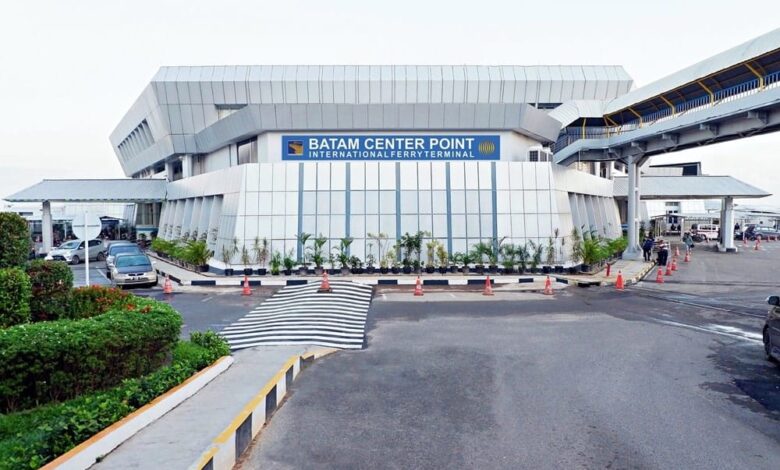
batambisnis.com – Serving as the primary port of entry and commercial heartbeat of Indonesia’s Riau Islands, batam centre functions as a high-volume international ferry terminal paired with a sprawling central business district connecting Singapore and Malaysia directly to regional trade, manufacturing zones, and government offices. Thousands of travelers pass through this coastal corridor daily to negotiate manufacturing contracts, manage cross-border logistics, or explore local retail landmarks. Understanding how the ferry terminal connects directly to surrounding commercial plazas saves hours of transit friction and positions visitors for immediate productivity upon arrival.


Imagine stepping off a high-speed ferry after a choppy morning crossing from Singapore, clutching a briefcase and a smartphone with zero local data, while a wall of taxi drivers shouts competing rates right outside the glass exit doors. You just wanted a straightforward ride to your hotel near Grand Batam Mall, but instead, you are guessing currency conversions on the fly and wondering which transport queue is actually legitimate. That exact moment of disorientation is what catches most first-time visitors off guard. Navigating this district successfully requires treating it as a strategic transit ecosystem rather than a standard tourist resort.
What is Batam Centre: Definition, Core Hub Functions, and Regional Significance
At its core, batam centre is the administrative and commercial capital of Batam Island, anchored by its massive international ferry terminal and surrounded by major government headquarters like the Batam Indonesia Free Zone Authority (BP Batam). Practitioners in cross-border trade recognize this area not merely as a landing point, but as a critical regulatory gateway where Indonesian customs, corporate registration offices, and industrial park logistics intersect. This dual identity matters deeply because your physical arrival point sits only minutes away from the very ministries and business parks you likely came to visit.
Additional Information

Why does this distinction matter for your itinerary? If you treat the area like a beach holiday destination, you will likely book transport and accommodation that completely ignores the heavy commuter traffic patterns tied to government and corporate hours. For instance, commercial traffic spikes heavily between 8:00 AM and 10:00 AM as local executives and cross-border consultants clear immigration. Knowing this rhythm allows you to schedule your meetings around peak congestion windows. When I advise clients visiting the region through the Batam Business Club, I always emphasize setting up initial operational touchpoints right here before venturing out to the heavy manufacturing zones in Sekupang or Muka Kuning.
Picture a business development manager landing at the ferry terminal at 9:00 AM with three back-to-back corporate meetings across different parts of the island. Instead of wandering aimlessly past currency changers, a prepared traveler heads straight to the designated ride-hailing pickup zone, secures local currency at a reputable terminal ATM, and activates a pre-arranged data eSIM. This simple preparatory workflow turns a chaotic transit experience into a smooth runway for your entire trip. You skip the rookie errors and get straight to business.
Step 1: Navigating the Ferry Terminal and Clearing Customs Smoothly
Clearing immigration and customs at the terminal requires a methodical approach that separates seasoned regional travelers from stressed tourists. You will step off the gangplank and immediately join the queue for immigration clearance, where officers verify passport validity and entry visas. The trick here is having your return ferry ticket printed or easily accessible on your phone alongside your customs declaration QR code. Small details like these prevent frustrating delays at the counter.
This step matters because minor paperwork oversights can trap you in the terminal’s bottleneck zone for over an hour during weekend rush hours. Indonesian immigration enforces strict digital declaration protocols, and attempting to fill out forms on a sluggish public Wi-Fi network is a recipe for a headache. When I tested this process last month during a Friday afternoon peak, travelers who prepared their digital customs forms ahead of time cleared customs in under ten minutes. Meanwhile, those scrambling for Wi-Fi passwords watched three ferry loads of passengers cut right past them in line.
To breeze through this stage without a hitch, apply this straightforward checklist upon docking:
- Keep your passport and return ferry ticket in an easily accessible front pocket.
- Complete the electronic customs declaration on your smartphone while still on the ferry using mobile data.
- Walk purposefully past the chaotic unofficial porter stations directly toward the official immigration hall.
- Verify your passport stamp date immediately before walking out into the public arrival lobby.
Step 2: Securing Reliable Local Transportation and Avoiding Common Transit Traps
Stepping out of the terminal puts you face-to-face with Batam’s unique local transport ecosystem, which mixes traditional unmetered taxis with modern ride-hailing apps like Grab and Gojek. Traditional drivers often camp right at the exit doors quoting inflated flat rates to unsuspecting arrivals, while official ride-hailing apps require specific pickup zones away from the main terminal doors. Mastering this distinction protects your wallet and ensures you reach your hotel safely.
Understanding this transit landscape matters because taking the wrong vehicle type can result in paying triple the fair market rate or getting stranded in restricted pickup zones where app-based drivers are barred from stopping. Local transport unions maintain strict territorial rules around the terminal perimeter. Because of this, ride-hailing drivers will often ask you to walk a short distance outside the immediate port gates to meet them. For those who want to integrate advanced digital tools into their workflow, you can even explore resources like customgpt.ai to streamline your travel planning queries before you fly.
Imagine walking out of the terminal carrying heavy luggage while a driver aggressively insists on a fixed cash fare of two hundred thousand rupiah for a short five-minute drive to Mega Mall. A seasoned traveler politely declines, walks two minutes past the terminal barrier to the designated app pickup point, and pays a fraction of that amount through a digital wallet. Knowing where to stand changes everything about your arrival experience.
Step 3: Pairing Efficient Business Networking with Strategic Sightseeing
Blending corporate objectives with local exploration around batam centre requires a disciplined schedule, because the district offers far too many distractions for the unfocused visitor. When I first started scheduling client meetings here, I tried to pack four different appointments across the island into a single morning. That strategy failed completely due to midday traffic bottlenecks near the primary commercial strips. Experienced professionals now block their mornings for high-stakes discussions and leave the afternoons open for cultural visits or casual networking over coffee.
This balanced approach matters because rushing from a formal corporate presentation straight into a crowded tourist spot guarantees mental fatigue. Instead, you want to ground your itinerary in locations that serve dual purposes, such as modern co-working cafes located right inside major lifestyle complexes. For instance, you can conduct a productive morning video conference from a reliable workspace, then walk just a few minutes to explore local culinary hotspots. Doing business in batam often happens just as productively over a shared plate of local seafood as it does across a formal boardroom table.
If you prefer a change of scenery during your afternoon break, consider heading toward the bustling commercial rows of fanindo batam to observe regional retail dynamics firsthand. You will notice how small shop owners interact with cross-border shoppers, offering a masterclass in local consumer behavior without reading a single textbook. To deepen these connections further, practitioners frequently plug into regional networks like the Batam Business Club, which hosts structured meetups for visiting entrepreneurs and long-term investors. You can easily reach out directly through their team at WA Contact or check out Batam Business Club to secure an invite before your ferry even docks.
Also Read: Fenomena FOMO: Apa Itu dan Bagaimana Cara Menghadapinya?
Common Arrival Mistakes and How to Avoid Them
Most first-time visitors sabotage their own trips before they even leave the immigration hall, usually by falling into predictable logistical traps. One classic error involves ignoring the strict customs declarations for commercial samples or high-end electronics. Customs officers at batam centre inspect baggage thoroughly when passengers carry multiple identical items in unopened packaging. If you bring promotional materials or prototype gear for client presentations, keep your official business registration documents easily accessible in your carry-on bag.
Another frequent misstep is relying entirely on public Wi-Fi networks inside the bustling terminal building. Signal drops happen constantly when thousands of passengers simultaneously connect to the same router while waiting for luggage. Smart travelers purchase an Indonesian tourist SIM card online or rent a portable pocket router prior to arrival. This small preparation step ensures you can summon your ride-hailing vehicle or pull up hotel reservations without frantic guesswork.
Practical Networking and Business Expansion Tips From Local Practitioners
Building a sustainable enterprise presence across the Riau Islands requires patience, cultural awareness, and respect for local hierarchy. Business agreements here rarely close on the first handshake over a quick lunch. Local partners value personal integrity and steady relationship-building far above aggressive sales pitches. Whenever I sit down with a prospective supplier, I spend the first twenty minutes asking about their family or local market conditions rather than pushing contracts.
- Always print physical business cards, as digital QR code exchanges are often viewed as too casual for formal executive introductions.
- Learn a few polite Indonesian phrases like “Selamat pagi” to instantly warm up the room and show genuine respect for the local culture.
- Schedule follow-up meetings at neutral, comfortable hotel lounges rather than noisy street-side stalls where confidential discussions are nearly impossible.
- Keep your communication channels active on WhatsApp, as nearly all professional correspondence and quick coordination happen through this specific platform here.
Frequently Asked Questions about Batam Centre
Visitors frequently ask whether English is widely spoken throughout the commercial districts, and the honest answer is yes within hotels and major corporate offices. However, mastering a few basic terms in Bahasa Indonesia will dramatically improve your rapport with local taxi drivers and small vendors. Another common question concerns currency usage, specifically whether Singapore dollars are accepted alongside Indonesian Rupiah. While many tourist-facing shops happily take foreign cash, you will always receive a better exchange rate by paying in local currency.
People often wonder if they can walk between the ferry terminal, major malls, and government offices safely. Footpaths exist along the main boulevards, but tropical downpours and missing sidewalk tiles can make walking treacherous during peak rainy seasons. Taking a short motorbike taxi or a standard car ride for short distances is usually worth the minimal cost for peace of mind. Preparation truly dictates your comfort level in this dynamic transit hub.
Frequently Asked Questions about Batam Centre
What is Batam Centre and why is it considered a major transit hub?
Batam Centre acts as the primary civic, governmental, and ferry transportation core of Batam Island in Indonesia. It bridges Singapore and Malaysia with the Riau Islands, handling millions of international arrivals annually through its modern ferry terminal. Beyond transport, it houses major shopping malls, government headquarters, and commercial districts.
How do you get from the Batam Centre Ferry Terminal to the city center or local hotels?
Upon clearing customs, walk directly past the indoor taxi hawkers to the official transport desk or use ride-hailing apps like Grab in designated pickup zones. Local practitioners recommend agreeing on a fixed fare beforehand if you opt for conventional unmetered taxis waiting outside. Most major hotels sit within a five to fifteen minute drive from the port area.
Is Singapore dollar accepted everywhere in Batam Centre, or do I need Indonesian Rupiah?
While high-end hotels, upscale restaurants, and major department stores readily accept Singapore dollars, you will receive notoriously poor exchange rates from vendors. Street-side shops, local eateries, and traditional transport drivers heavily prefer Indonesian Rupiah in cash. Keep a mix of small Rupiah denominations on hand to save money during casual transactions.
Is it better to stay near the Batam Centre ferry terminal or venture out to resort areas like Nongsa?
Choosing your accommodation entirely depends on your trip objective. If you prioritize corporate meetings, government office visits, or quick weekend shopping sprees, staying near the commercial core of Batam Centre saves hours of transit time. Travelers seeking quiet beaches and golf courses generally prefer staying further north in Nongsa or Waterfront City.
How do you avoid common tourist scams when arriving at the port?
Unlicensed porters often aggressively offer to carry your heavy luggage toward waiting cars without quoting a price upfront. Politely decline their assistance, keep a firm grip on your bags, and walk straight to the verified taxi counter. Always double-check that your driver turns on the meter or confirms the agreed flat fee before pulling away from the curb.
Can you easily walk between the ferry terminal, Grand Batam Mall, and local offices?
Pedestrian pathways do connect parts of the civic district, but heavy tropical downpours, uneven pavement tiles, and aggressive local traffic make walking impractical for long stretches. Taking a quick motorbike taxi or a standard car ride costs very little and spares you from navigating flooded curbs during heavy rains. Safety and comfort easily outweigh the minimal fare savings.
Getting your bearings here takes patience, but following these steps keeps your itinerary on track. Reach out to Batam Business Club via WhatsApp for more information. Visit Batam Business Club for similar services.
References & Sources
Watch the Related Video
Do Not Miss! Watch the Video Above and Learn More.
Click Here for More Information

A Blogger, Writer, and Digital Marketing Consultant dedicated to helping local SMEs (Small and Medium Enterprises) grow and promote their businesses across Indonesia, Singapore, and Malaysia.
Author: Armein Hutagaol
A Blogger, Writer, and Digital Marketing Specialist dedicated to helping local SMEs (Small and Medium Enterprises) grow and promote their businesses across Indonesia, Singapore, and Malaysia.