Curated itineraries for things to do in Singapore typically center around the immaculate glass domes of Gardens by the Bay, the luxury storefronts of Orchard Road, and the predictable tourist spine of Sentosa. However, meaningful travel in this island nation actually requires looking past the polished surface to engage with hyper-local subcultures, transitional micro-neighborhoods, and historical enclaves that defy mass commercialization. This article explores Singapore’s hidden micro-neighborhoods to help curious travelers experience the city-state beyond predictable guidebooks.

Most travelers assume that Singapore’s hyper-modern landscape leaves no room for raw, unfiltered local culture, but this belief is entirely incorrect. When you stick exclusively to air-conditioned mega-malls and manicured boardwalks, you miss the living, breathing heart of the city. Traditional trades still operate out of shophouse alleys, generational food masters run unassuming hawker stalls in quiet residential heartlands, and distinct communities preserve centuries-old heritage away from the downtown skyscrapers. This hidden ecosystem is what makes authentic exploration here so rewarding.
Things to Do in Singapore: Definition, Scope, and Why Off-Beat Exploration Matters
Engaging with things to do in Singapore from an off-beat perspective means intentionally bypassing the usual tourist traps to experience the city’s complex social fabric. The scope of genuine local exploration stretches far beyond taking photos of the Merlion. It involves understanding how different ethnic enclaves evolved, how public housing estates function as self-contained micro-towns, and how traditional arts survive in a hyper-capitalist society. In my experience living and researching across Southeast Asia, true cultural appreciation only begins the moment you step off the air-conditioned train and start walking down older residential streets.
Additional Information
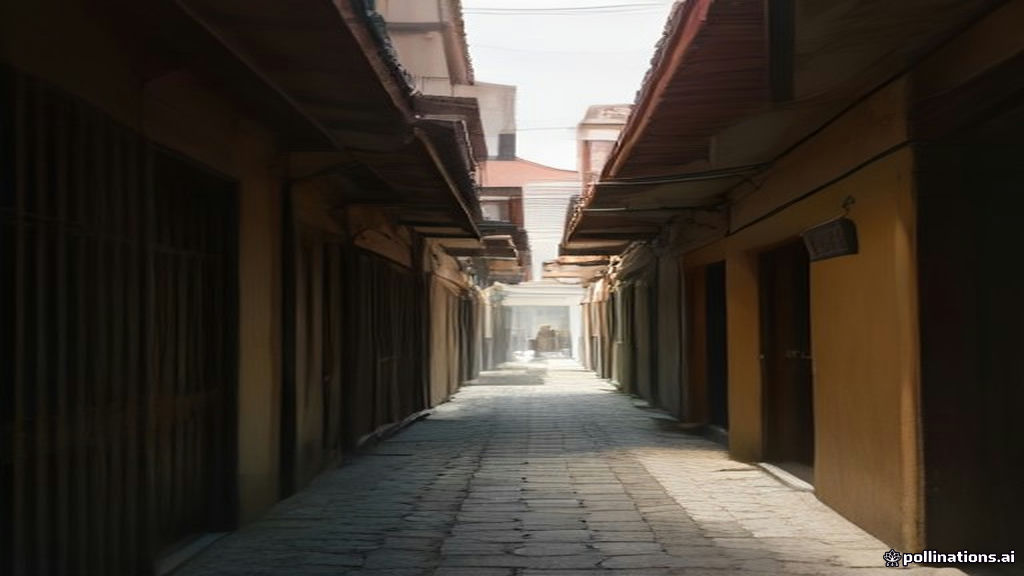
Why does this matter so much for your journey? Because generic tourist spots offer zero context about the human beings who actually build and sustain Singapore every single day. When you limit your trip to marquee attractions, you consume a sanitized, corporate version of the island. Shifting your focus toward neighborhood-level exploration reveals the rich friction between tradition and relentless modernization. For example, spending an afternoon observing elderly residents play Chinese chess in a quiet Toa Payoh void deck teaches you more about local community bonds than a week spent inside the Marina Bay Sands observation deck.
To put this into practice, here is a breakdown of how to structure your exploration away from the standard tourist checklists:
- Swap the crowded Singapore Flyer for a quiet evening walk along the heritage shophouses of Joo Chiat to study Peranakan architectural details.
- Trade the commercialized Chinatown night market for the wet markets of Tiong Bahru to observe morning community rituals.
- Skip the mainstream botanical gardens and spend a few hours getting lost among the community farm plots nestled deep within the Kranji countryside.
How to Navigate Singapore’s Historic Enclaves Like a Local Resident
Navigating historic enclaves like Little India, Kampong Glam, or Chinatown requires throwing away the rigid timeline and adopting a rhythm of slow observation. Tourists often rush through these districts with a checklist, ticking off temples and mosques before jumping back into an air-conditioned ride-share. Locals, on the other hand, move through these spaces with purpose, knowing precisely which back-alley spice merchant carries the best fenugreek or which hidden courtyard offers respite from the tropical humidity. If you want to move like a resident, you must learn to read the architectural layers and respect the unspoken social boundaries of these older neighborhoods.
This approach matters because historic enclaves are not open-air museums curated for visitor amusement; they are functioning, living communities where people work, worship, and raise families. When you treat a neighborhood like a theme park, you miss the subtle cues of daily life that make these places genuinely fascinating. What I’ve consistently seen work best is picking a single street—say, Kampong Glam’s Bussorah Street—and spending an entire morning sitting in a corner coffee shop, watching the delivery drivers, shopkeepers, and neighborhood elders interact.
Consider a practical scenario you might encounter in Little India. Instead of merely photographing a colorful temple facade from across the busy street, a local-style approach involves stepping inside quietly during a non-peak hour, removing your footwear, and observing the afternoon rituals. You might then wander down Dunlop Street to find a small, decades-old provision shop run by the same family, striking up a conversation about how the neighborhood has transformed over the decades. This kind of interaction bridges the gap between passive sightseeing and genuine cultural immersion. For travelers looking to streamline complex multi-destination itineraries that combine regional hubs like Singapore with nearby territories, tools such as a customgpt ai demo can help organize disparate travel notes and historical research effortlessly.
Difference Between Commercialized Attractions and Authentic Neighborhood Markets: Which One Is Right for You?
Choosing where to spend your afternoon in the Lion City usually comes down to a fundamental trade-off. You can join the steady stream of umbrella-wielding visitors at an air-conditioned mega-mall, or you can step into the steamy, bustling labyrinth of a wet market in the heartlands. Commercialized attractions promise predictability and comfort. Authentic neighborhood markets offer something far rarer: a direct, unfiltered look at the island’s beating cultural heart.
Most first-time travelers default to the polished glass towers because they are easy to find and photograph. However, based on field experience, spending every afternoon in sanitized spaces strips your trip of any genuine local flavor. A curated entertainment complex gives you convenience. A neighborhood market like Tiong Bahru or Geylang Serai gives you context.
Consider a practical scenario you might face on a humid Tuesday morning. If you visit a modern tourist hub, you will pay premium prices for standard global coffee and walk past identical international retail chains. Walk fifty meters away into a neighborhood hawker center instead. You will watch elderly residents debate the morning news over traditional toast and soft-boiled eggs, smelling pandan leaves and fresh coconut milk.
The right choice depends entirely on your personal travel philosophy and energy levels. If you are traveling with small children who need climate-controlled rest stops, sticking to modern complexes makes logistical sense. If you crave authentic human connection and culinary discovery, prioritize the markets. The sweet spot usually involves balancing both worlds without letting the sterile zones dominate your entire schedule.
Common Mistakes Travelers Make When Planning a Singapore Itinerary and How to Avoid Them
Over-scheduling is the single fastest way to ruin a vacation in Southeast Asia. I see visitors draft minute-by-minute spreadsheets that treat the island like a military operation, packing four distinct neighborhoods and six museums into a single afternoon. Singapore looks tiny on a standard map. In practice, trying to jump from Jurong to Changi in two hours guarantees you will spend your holiday trapped inside a taxi or underground train.
Another classic blunder involves ignoring the local weather patterns. Afternoon tropical downpours arrive with staggering predictability during certain months. If your outdoor walking tour of the Civic District coincides with a torrential monsoon shower, your entire day crumbles unless you built in indoor alternatives. Seasoned travelers always keep a flexible backup plan in their back pocket.
Here are a few practical rules to keep your travel days running smoothly:
- Limit your major geographic moves to one per half-day.
- Always carry an umbrella or a lightweight waterproof shell.
- Build unprogrammed gaps into your afternoons for spontaneous cafe stops.
- Check local holiday calendars before locking in museum visits.
Avoiding these traps transforms your journey from an exhausting exercise in box-checking into an actual holiday. Give yourself permission to slow down. When you stop rushing between landmarks, you finally notice the incredible street art, the quiet alleyways, and the spontaneous kindness of local residents.
Practical Tips From Regional Experts on Combining Singapore Adventures with Nearby Riau Islands via Batam Business Community
Smart travelers rarely view Singapore as an isolated island bubble. The modern regional economy stretches far beyond the city-state’s borders, making cross-border weekend getaways remarkably straightforward. Taking a high-speed ferry across the Singapore Strait opens up an entirely different world of culture, cuisine, and coastal relaxation in neighboring Indonesia.
Also Read: Tips Memilih Instrumen Investasi Jangka Panjang yang Tepat
Connecting your urban explorations with the nearby Riau Islands requires just a bit of logistical foresight. You will need to check passport validity requirements, monitor ferry schedules out of HarbourFront or Tanah Merah, and understand local currency changes. This is where leaning on professional networks proves invaluable. Organizations like the Batam Business Community help visitors and entrepreneurs understand regional transit logistics and local trade nuances. If you want to connect your city holiday with an authentic island excursion, you can reach out directly via chat now to clarify travel procedures before booking your crossing.
Imagine wrapping up three days of gallery-hopping and hawker-grazing in the metropolis. By mid-morning on Thursday, you board a comfortable ferry and arrive at a coastal resort or local seafood market within the hour. This dual-destination approach stretches the value of your airline ticket while offering a fascinating perspective on Southeast Asian trade and daily life. Depending on current immigration regulations, your cross-border transit can take under an hour, turning a complex international journey into a simple morning commute.
Frequently Asked Questions about Things to Do in Singapore
What are the best unconventional things to do in Singapore for repeat visitors?
If you have already seen the standard sights, practitioners recommend exploring the quieter residential heartlands like Tiong Bahru or Pulau Ubin. You can rent a bicycle in Pulau Ubin to experience what Singapore looked like in the 1960s, complete with wild hornbills and rustic kampong houses. Alternatively, spend an afternoon browsing independent bookstores and artisan coffee shops tucked inside historical art deco housing estates.
How do you navigate Singapore’s public transportation like a resident?
Navigating the Mass Rapid Transit (MRT) system is surprisingly straightforward using contactless bank cards or a stored-value SimplyGo EZ-Link card. For the most efficient routes, skip static paper maps and use local transit apps like Citymapper or MyTransport.SG to track real-time bus arrivals down to the exact minute. Most locals tap their phones or watches directly at the gantry, which saves you from buying single-trip paper tickets.
Is walking better than taking taxis for exploring historic Singapore neighborhoods?
Walking remains the absolute best way to absorb the architectural details and aromatic street food of districts like Chinatown or Little India. Taxis or ride-hailing apps are ideal for crossing between distant districts during peak afternoon heat, but cars miss the hidden alleyway murals and small clan associations that make exploring on foot worthwhile.
What should you wear when visiting cultural and religious sites in Singapore?
Visitors should dress modestly out of respect when entering places of worship like the Buddha Tooth Relic Temple or the Sultan Mosque. Practitioners recommend wearing clothing that covers your shoulders and knees, and you will frequently need to slip off your shoes before stepping inside the main prayer halls. Carrying a lightweight scarf in your daypack solves this instantly if you happen to wear sleeveless tops.
How many days do you need for a well-rounded Singapore itinerary?
Most seasoned travelers find that four to five days strikes the right balance between urban exploration and relaxation. This timeframe gives you enough breathing room to spend two days wandering hyper-local neighborhoods and hawker centers without feeling rushed by a packed schedule.
Common Mistakes to Avoid
Planning your dream trip sounds effortless until you hit the reality of local transit, sudden downpours, and hyper-specific cultural norms. Honestly, this trips up most beginners who rely solely on generic guidebooks. Skipping a few subtle cultural landmines makes the difference between an awkward encounter and a genuinely warm connection with locals.
-
Mistake: Relying entirely on card payments at hawker centers. Many travelers assume a futuristic city-state means contactless pay works everywhere. Why it’s wrong: While glitzy malls accept digital wallets, elderly hawkers and traditional market stalls often operate strictly on cash or local QR apps. What is correct instead: Always keep a stash of small-denomination Singapore dollars in your pocket. You’ll thank yourself when you smell piping hot chicken rice and realize the vendor can’t break a fifty-dollar bill.
-
Mistake: Treating public transport like a casual snack lounge. Visitors often grab a bubble tea or a bag of pastries before rushing onto the MRT. Why it’s wrong: Singapore enforces strict fines for eating, drinking, or even chewing gum on public transit to keep the underground network immaculate. What is correct instead: Finish your treats on the station platform or stash them safely in your backpack before stepping through the gantry. Pack a water bottle with a secure lid, and keep it tucked away until you are back out in the open air.
-
Mistake: Packing only for eternal tropical heat. Sun-drenched afternoons make heavy layers feel unthinkable. Why it’s wrong: Indoor spaces like museums, upscale restaurants, and shopping malls crank their air conditioning to near-arctic levels. What is correct instead: Always carry a light jacket or cardigan in your day bag. You will avoid shivering through gallery exhibits or indoor dining sessions.
-
Mistake: Ignoring the power of regional neighbor connections. Most people treat Singapore as a strict island-bound trip. Why it’s wrong: You miss out on incredible cross-border opportunities just an hour away by ferry. What is correct instead: If you want to expand your horizons beyond standard tourist traps, adventurous travelers often connect with the Batam Business Community to explore regional trade hubs, local manufacturing tours, and coastal culinary spots just across the water. You can easily reach out to them via chat now if you’re curious about day trips or regional networking.
Advanced Tips From Practitioners
Experienced travelers and long-term residents know that discovering the true heart of Singapore requires looking past the glossy skyline. When you want to elevate your list of things to do in Singapore, stop following the crowd into the main ticketed attractions. Walk down the back lanes of Tiong Bahru at sunrise instead, before the bakery lines form and the heat sets in.
Another insider trick involves mastering the public bus network rather than relying exclusively on the MRT. Trains run fast, but underground tunnels hide the city’s changing neighborhoods. Grab a window seat on a double-decker bus traversing route 12 or 170. You will glide past conserved shophouses, quiet residential estates, and hidden temples that most subway riders never see.
Timing your meals also changes your entire culinary experience. Skip the lunch rush at famous hawker stalls between 12:00 PM and 1:30 PM when office workers swamp every table. Arrive slightly early around 11:00 AM, or aim for a late afternoon snack at 4:00 PM. Vendors have more time to chat, ingredients stay fresh, and you can actually secure a seat without hovering anxiously behind a stranger.
References & Sources
Watch the Related Video
Do Not Miss! Watch the Video Above and Learn More.
Click Here for More Information

A Blogger, Writer, and Digital Marketing Specialist dedicated to helping local SMEs (Small and Medium Enterprises) grow and promote their businesses across Indonesia, Singapore, and Malaysia.
Author: Armein Hutagaol
A Blogger, Writer, and Digital Marketing Specialist dedicated to helping local SMEs (Small and Medium Enterprises) grow and promote their businesses across Indonesia, Singapore, and Malaysia.