Organizing a private outdoor feast across the Malacca Strait involves pairing Indonesian resort accommodations with open-fire cooking, fresh regional catches, and deliberate cross-border logistics. Crafting a memorable bbq batam experience requires balancing local municipal sourcing rules, cooling chain requirements, and proper venue permissions before striking your first match.



Generally, cross-border travelers underestimate the sheer volume of fresh tiger prawns and red snapper available just an hour away from Singapore by ferry. Did you know that local wet markets process thousands of kilograms of seafood daily before sunrise? Tapping into this immediate supply chain changes your entire dinner trajectory. Let’s look at how to pull this off without a hitch.
BBQ Batam: Definition, Benefits, and How It Works
A cross-border island cookout is more than just throwing patties over hot charcoal. It is a structured culinary gathering set against tropical backdrops like Nongsa beach villas or Sekupang hillside estates. You coordinate raw ingredients, portable pit rentals, and sometimes local culinary assistants to handle the grunt work. Understanding the core mechanics prevents logistical meltdowns on the day of your event.
Additional Information
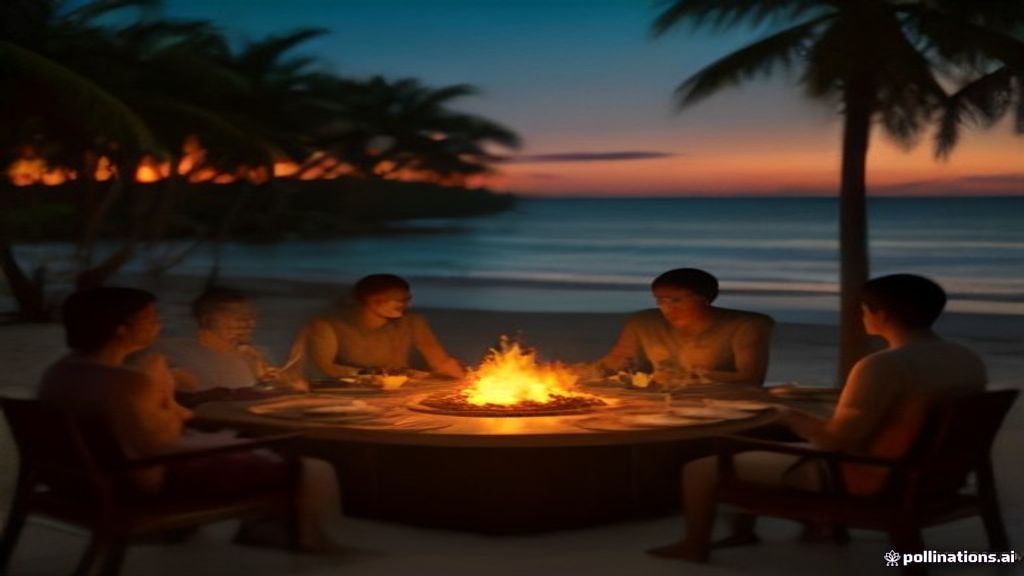
Why bother organizing an outdoor feast instead of dining at a standard seafood restaurant? Restaurants lock you into fixed menus and noisy dining rooms. A private island grill gives you total control over the playlist, the pacing, and the exact doneness of your ribeye. You get to curate an intimate atmosphere where family or team members gather around the fire pit as dusk settles over the coastline.
Consider what happened during a team retreat I coordinated last year near Marina City. Instead of sitting inside an air-conditioned function room, our group stood barefoot on the sand while local king prawns sizzled over coconut shell charcoal. The barrier between hosts and guests disappeared entirely because everyone pitched in with basting and flipping. That shared sensory experience is what transforms a standard vacation into something truly memorable.
Step 1: Securing Your Ideal Villa, Resort, or Beachfront Venue
Finding the right physical footprint dictates whether your open-fire cooking goes smoothly or ends in a dispute with management. Not every rental property permits open flames on manicured lawns or wooden balconies. You must verify spatial layouts, wind direction, and property rules before paying a deposit. Getting this wrong means scrambling for a backup spot at the last minute.
Property selection matters because open flames produce thick smoke and flying embers that can damage expensive resort decking. Experienced organizers always request written confirmation from the villa manager regarding designated cooking zones. If you are planning an extensive menu, you need enough clearance around the pit to maneuver safely without tripping over coolers or guests.
Imagine renting a stunning cliffside house only to discover upon arrival that the management bans all charcoal grills due to fire hazard policies. To prevent this, I always double-check the exact rules during the booking phase. For complex travel itineraries or multi-family gatherings, some planners even use conversational AI planning tools like CustomGPT to map out venue checklists and packing requirements instantly. When you clear these hurdles early, you eliminate stress completely.
Step 2: Sourcing Fresh Seafood and Premium Meats Locally
Procuring raw ingredients directly from local Indonesian markets beats lugging frozen goods across international customs. Batam boasts incredible maritime resources, from live mud crabs to thick-cut squid. However, buying ingredients in a foreign market requires knowing where to go and when to arrive. Timing is everything when dealing with perishable goods.
Why purchase locally instead of packing everything in insulated bags on the ferry? Ferry security restrictions limit the amount of raw meat and seafood you can legally and comfortably transport across the border. Furthermore, buying on-island guarantees that your catch went from the ocean to your cooler within hours. You get superior flavor profiles and support regional vendors in the process.
In practice, heading down to Pasar Penuin early in the morning changes your culinary options entirely. You walk past stalls displaying glistening pomfret, giant squid, and farm-raised chicken, negotiating prices directly with friendly vendors. You point, they weigh, and you pack it straight into your transport. Connect with the Batam Business Community if you need trusted local vendor recommendations or want to connect with verified suppliers. For quick coordination, you can also reach out via chat now to sort out your local procurement plan.
Step 3: Mastering the Logistical Challenge of Marinades and Equipment
Pulling off a great outdoor feast requires coordinating marinades, charcoal, and fire tools without turning your holiday into a stressful kitchen shift. When I planned my first outdoor cooking session on the island, I packed three heavy glass bottles of homemade marinade in my backpack. That decision taught me a painful lesson about border weight limits and sticky luggage zippers. Experienced hosts now rely on local wet markets or convenience stores to source staple seasonings, chili pastes, and cooking oils right after clearing immigration.
Prepping your flavor profiles beforehand changes everything. You can mix dry spice rubs at home in sealed vacuum bags, saving precious luggage space and avoiding customs confusion. Once you arrive at your rental, you simply blend those dry mixes with local soy sauce, freshly pressed lime juice, and smashed garlic. This hybrid approach guarantees authentic local flavor without the mess of transporting liquids across international waters.
Grill equipment availability depends heavily on your chosen accommodation. Most private villas provide a basic charcoal pit, but they rarely supply wire brushes, tongs, heavy-duty aluminum foil, or long-handled spatulas. Bringing a compact toolkit in your check-in bag—including a reliable meat thermometer and heat-resistant gloves—prevents frantic improvisation around an open flame. If your resort doesn’t supply charcoal, you can easily source coconut shell briquettes from neighborhood sundry shops. These briquettes burn hotter and longer than standard wood charcoal, making them ideal for searing thick cuts of Indonesian beef.
Common Pitfalls in Cross-Border Catering and How to Avoid Nonsense
Many well-prepared travelers stumble because they underestimate local weather patterns and import regulations during their barbecue planning. Tropical rainstorms arrive without warning in this region. If your venue features an open patio without adequate roof cover, your entire cooking timeline can wash out in ten minutes. Smart organizers always inspect the rental property’s outdoor layout beforehand. They identify a backup sheltered cooking zone just in case the afternoon skies open up.
Another frequent misstep involves ignoring strict customs policies regarding food quantities. Bringing excessive commercial quantities of raw protein across the ferry terminal can trigger lengthy inspections, delayed itineraries, and potential confiscation. Stick to reasonable, personal-consumption amounts when bringing specialty snacks from home, and rely on local markets for the main feast.
Temperature control in a tropical climate presents a subtle biological challenge. Raw seafood and poultry spoil remarkably fast under direct equatorial sunlight. Leaving your catch sitting on a wooden table while waiting for guests to arrive invites food safety disasters. Seasoned hosts keep two separate coolers running: one packed with fresh ice exclusively for raw proteins awaiting the grill, and another for beverages.
Practical Tips from Experienced Event Organizers and Local Fixers
Local expertise saves hours of trial and error when organizing an outdoor gathering abroad. If you want to skip the hassle of grocery runs and fire-starting entirely, you can hire local culinary assistants through the Batam Business Community network. These fixers know precisely which morning markets stock the freshest catch and how to negotiate fair local pricing. They handle the heavy lifting so you can actually enjoy your vacation.
Timing your fire prep is an art form. Start your charcoal at least forty-five minutes before you plan to sear your first skewer. Coconut briquettes take slightly longer to ash over compared to chemical-laced instant charcoal, but the clean, smokey flavor is worth every extra minute. Keep a spray bottle filled with water nearby to tame sudden flare-ups caused by dripping marinades.
When your group decides to venture out for a late-night stroll after dinner, locals often recommend visiting the bustling food centers near the town square, similar in spirit to the lively atmosphere found around alun alun batam. These communal gathering spots offer fantastic late-night bites, local coffee, and a chance to mingle with residents. If you ever feel stuck during your planning phase, you can reach out via chat now to connect with reliable on-island contacts who can smooth out your itinerary.
Frequently Asked Questions about BBQ Batam
Can I bring my own favorite barbecue sauce through the ferry terminal?
Yes, small personal quantities of sauces and dry rubs pass through security without issue. However, avoid carrying massive industrial jugs that might raise eyebrows or violate liquid volume restrictions.
What is the best way to handle garbage cleanup after the meal?
Most rental villas include basic cleaning fees, but leaving a mountain of greasy skewers and charcoal ash behind is considered bad form. Gather your cooled coals in a foil pouch and bag all organic waste securely to keep local wildlife and insects away from the property.
Are vegetarian options easy to source locally for mixed groups?
Indonesian markets overflow with incredible produce, from firm tofu and tempeh to sweet corn and eggplants. You can easily craft incredible plant-based skewers seasoned with sweet soy and chili paste alongside your seafood and meats.
Frequently Asked Questions about BBQ Batam
What is a BBQ Batam weekend getaway?
A BBQ Batam trip combines a quick ferry ride from Singapore or Malaysia with a private island villa stay centered around an open-air grilling feast. Rather than dining at standard tourist restaurants, you take charge of sourcing fresh seafood from local wet markets and cooking outdoors by your private pool. It trades urban dining stress for a relaxed, coastal rhythm.
Also Read: Peluang Bisnis di Era Globalisasi
How do you transport raw meats and marinades across the border?
Immigration regulations limit what food products you can physically hand-carry through the ferry terminal, so seasoned travelers rarely pack raw proteins in their luggage. Instead, the smartest move is ordering your meats and seafood directly through local Batam suppliers or buying them fresh upon arrival at markets like Mega Legenda. You simply carry your favorite dry spice rubs or bottled sauces in your daypack, which passes security without friction.
Is hiring a private grilling assistant better than DIY?
Handling the fire, prepping the charcoal, and managing a multi-course seafood spread can easily distract you from actually spending time with your friends. When I organized a group trip last year, hiring a local deckhand or culinary helper for the evening completely transformed the experience. They manage the smoke and heat while you enjoy the cold drinks and conversation.
How much budget should I set aside for a proper island cookout?
Costs scale depending on whether you opt for wild-caught tiger prawns and local fish or standard supermarket chicken wings. Generally, budgeting around thirty to fifty Singapore dollars per person covers an absolute feast of premium local seafood, charcoal, and side dishes. Premium imported beef cuts will naturally push that number higher.
Where are the best spots to purchase fresh charcoal and grilling supplies?
Local provision shops, neighborhood minimarts, and wet market adjacent stalls stock coconut shell charcoal briquettes, wire mesh grates, and heavy-duty aluminum foil. Coconut charcoal burns hotter and longer than standard wood charcoal, which makes it ideal for searing thick cuts of fish. Just ask your villa host or local driver to point you toward the nearest sundry shop upon arrival.
Planning this kind of cross-border culinary adventure takes a bit of local insight, but the payoff is entirely worth the effort. You get to enjoy ocean breezes, incredible seafood, and great company without the rigid constraints of a hotel buffet. Contact Batam Business Community via WhatsApp for more information. Visit Batam Business Community for similar services.
Common Mistakes to Avoid
Planning an outdoor feast across the strait sounds straightforward until you are standing in a bustling neighborhood market, sweating through your shirt, and realizing nobody brought tongs. Seasoned grill masters usually learn these lessons the hard way, but you do not have to. A successful barbecue batam experience relies heavily on sidestepping a few classic logistical slip-ups.
-
Mistake: Buying standard supermarket wood charcoal that sparks excessively and fizzles out before the fish is cooked.
Why it’s wrong: Tropical humidity and soft local woods mean cheap charcoal absorbs moisture rapidly and burns out in under thirty minutes.
What to do instead: Look specifically for coconut shell briquettes at local wet markets or sundry shops. They burn clean, maintain a steady high heat for hours, and leave very little ash behind.
-
Mistake: Assuming your resort or rental villa provides basic grilling tools like wire brushes, skewers, and metal turners.
Why it’s wrong: Most properties supply cookware for indoor kitchens, leaving outdoor fire pits completely bare.
What to do instead: Pick up an inexpensive disposable grill kit or a basic toolkit from a local hardware store on your way from the ferry terminal.
-
Mistake: Leaving seafood out in the open tropical heat while prepping the charcoal bed.
Why it’s wrong: Ambient temperatures in the region cause fresh catch to spoil remarkably fast, risking food safety and ruining your dinner.
What to do instead: Keep your prawns, squid, and fish packed in ice inside a cooler box until the moment they hit the grate.
-
Mistake: Forgetting to coordinate logistics with your host ahead of time regarding cleanup duties.
Why it’s wrong: Leaving a messy grill area can lead to friction with property owners and unexpected cleaning fees.
What to do instead: Clear your expectations early. If you need local assistance to manage the fire or tidy up afterward, connect with the Batam Business Community to arrange reliable local support staff. You can easily chat now on WhatsApp to sort out those details before you even board the ferry.
Advanced Tips From Practitioners
Mastering a weekend cookout abroad takes a bit of local street smarts. Anyone can throw a steak on a fire, but creating an unforgettable island feast requires understanding regional ingredients. For instance, local sweet soy sauce (kecap manis) caramelizes much faster than Western barbecue sauces due to its high sugar content. Paint it on your chicken skewers only during the final two minutes of grilling to prevent an unwanted bitter char.
Another insider trick involves handling fresh seafood like red snapper or squid. Instead of wrapping everything in heavy foil which traps moisture and steams the fish, score the flesh deeply and rub it with a paste made from bruised lemongrass, shallots, and chili. The oil from the lemongrass protects the delicate meat from sticking to the hot wire mesh while imparting an incredible aroma that complements the ocean breeze.
Sourcing these fresh aromatics is half the fun if you know where to look. Skip the air-conditioned supermarkets and head straight to morning wet markets where local fishermen drop off their daily catch. If navigating wet markets feels a bit overwhelming on your first trip, reach out to the team at Batam Business Community. They routinely help travelers coordinate authentic culinary experiences. Drop them a message at chat now on WhatsApp to get insider recommendations on private chefs, vetted rental villas, and the best charcoal suppliers on the island.
References & Sources
Watch the Related Video
Do Not Miss! Watch the Video Above and Learn More.
Click Here for More Information

A Blogger, Writer, and Digital Marketing Specialist dedicated to helping local SMEs (Small and Medium Enterprises) grow and promote their businesses across Indonesia, Singapore, and Malaysia.
Author: Armein Hutagaol
A Blogger, Writer, and Digital Marketing Specialist dedicated to helping local SMEs (Small and Medium Enterprises) grow and promote their businesses across Indonesia, Singapore, and Malaysia.