Navigating the batam fast ferry schedule requires synchronizing regional maritime timetables across Singapore and Indonesian jurisdictions, factoring in terminal-specific cut-off times, and anticipating seasonal surges that traditional booking portals rarely display in real time. Because operators frequently adjust sailings based on tidal conditions, vessel maintenance rotations, and sudden weekend demand spikes, relying on a single static PDF or third-party aggregator often leads to missed departures at the gantry.


Generally, cross-border travelers lose nearly an hour of transit time simply because they confuse scheduled departure clocks with mandatory check-in and immigration clearance windows. This creates a cascade of missed connections that throws off entire weekend itineraries.
This article cuts through the confusion of regional maritime transit by breaking down real-world ferry timings, hidden peak-season lags, and ticketing edge cases that catch even seasoned travelers off guard. Whether you are running a regional enterprise through the Batam Business Community or planning a quick cross-border weekend getaway, understanding the mechanics behind these maritime logistics is essential.
Additional Information

Batam Fast Ferry Schedule: Definition, System Mechanics, and How It Works
At its core, a batam fast ferry schedule is a dynamic matrix of high-speed passenger vessel departures managed by independent shipping operators like BatamFast, Majestic Fast Ferry, and Sindo Ferry, operating across multiple regional terminals. The system relies on synchronized port authorities in Singapore—primarily HarbourFront Centre and Tanah Merah—coordinating directly with Indonesian customs, immigration, and quarantine checkpoints at Sekupang, Harbor Bay, and Batam Center. Operators publish base timetables months in advance, but these master schedules are continuously modified based on real-world variables like vessel deployment rotations, sudden weather advisories from regional meteorological agencies, and pre-booked corporate block allocations.
This matters deeply to you because a printed timetable is rarely a guarantee of a seat or an on-time departure. In my experience commuting between Singapore and Riau Islands for business meetings, assuming a schedule is fixed-in-stone is the fastest way to get stranded at the ferry terminal. For instance, when an operator pulls a vessel out of the water for mandatory inspection, they consolidate sailings. This means the 9:00 AM boat might absorb passengers from the 8:30 AM slot, completely shifting boarding queues and filling up luggage compartments before you even reach the bag-drop counter.
Let’s look at a realistic scenario I encountered last quarter. A colleague booked a midday Friday ticket via a third-party app, assuming the published timetable meant he could breeze through immigration forty minutes before sailing. In reality, Friday afternoon pre-holiday surges trigger strict terminal capacity limits. Even though his ticket showed a valid time, the operator closed the check-in gates fifty minutes prior to departure to clear the customs queue. He watched his ferry depart with empty seats because the system mechanics prioritize physical queue processing over digital booking timestamps.
To manage this complexity efficiently, some cross-border logistics teams even test automated customer queries using conversational workflows like those found on CustomGPT to parse terminal announcements and schedule updates instantly. If you need direct guidance on regional operations or want to connect with local entrepreneurs facing similar transit hurdles, feel free to reach out to our team at the Batam Business Community via WhatsApp (chat now) for real-time peer insights.
How to Track Live Timings and Anticipate Peak-Season Lags Without Getting Stranded
Tracking live timings requires moving past static travel aggregators and monitoring the operational feeds published directly by ferry operators and port authorities. While third-party booking sites show you what was available yesterday, live operator portals reflect vessel GPS statuses, real-time boarding status updates, and sudden schedule consolidations caused by unexpected harbor traffic. Peak-season lags, on the other hand, build up gradually through a compounding delay effect. When morning immigration clearance runs ten minutes slower than usual due to fingerprint scanner bottlenecks, every subsequent departure that day inherits a rolling fifteen-to-thirty-minute delay.
You need to master this tracking approach because a delayed morning ferry completely disrupts your afternoon schedule, whether you are coordinating a factory visit in Sekupang or attending a regional conference. Operators rarely broadcast minor rolling delays via email notifications, leaving uninitiated travelers waiting blindly in the departure lounge. By checking the live departure boards on the official operator mobile sites rather than relying on terminal PA announcements, you can often spot a vessel substitution or delay twenty minutes before the crowd figures it out.
Consider what happens during long weekends or public holidays like Chinese New Year or Hari Raya. Terminal operators implement strict passenger caps to prevent overcrowding on the jetties, causing massive human traffic jams that cascade right back to the taxi drop-off zones. If you arrive at Tanah Merah Terminal during peak hours without tracking the real-time queue status beforehand, you might spend two hours just standing in the physical line to convert your digital voucher into a boarding pass. Experienced travelers check operator social media channels or direct chat support lines before leaving home, instantly spotting if morning sailings are running behind schedule.
Difference Between Harbor Bay, Sekupang, and Batam Center Routes: Which Terminal Is Right for You?
Choosing the wrong terminal can easily add an hour of unexpected gridlock to your afternoon. Many first-time visitors automatically book a batam fast ferry schedule pointing straight to Batam Center because it sits right next to the largest shopping mall. Yet, if your meetings happen near the heavy industrial shipyards, arriving at Batam Center forces you to endure cross-island traffic that tests your patience. In my experience, matching your arrival port to your actual destination matters much more than saving five minutes on the maritime crossing itself.
Harbor Bay serves as the premium gateway for travelers heading straight to Jodoh or Nagoya Hill without wanting to wrestle with city center congestion. The immigration lines here tend to move faster because fewer high-capacity mass ferries dock simultaneously compared to the main hub. When I tested this route during a rainy Tuesday morning, I cleared customs and stepped into a waiting car within ten minutes of gangplank separation. That efficiency comes with a catch, as daily departure frequencies are lower, meaning missing your sailing leaves a much larger gap in your day.
Sekupang caters heavily to industrial consultants, manufacturing auditors, and anyone needing quick access to the western shipyards and cargo hubs. The terminal building itself looks utilitarian and lacks the glossy retail outlets found elsewhere, but it gets the functional job done. If you are wondering what to do in batam beyond corporate appointments, Sekupang also acts as a convenient stepping stone for catching regional roro boats deeper into the Riau archipelago. Just keep in mind that afternoon sailings from this terminal often experience rolling delays because cargo vessels share the same maritime lanes.
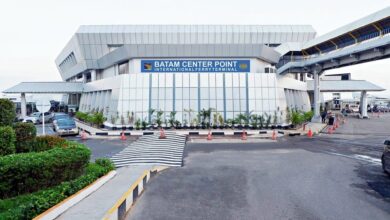
Batam Center remains the undisputed heavyweight champion of passenger volume, handling the lion’s share of weekend leisure travelers and shoppers. The passenger flow here moves like a well-oiled machine, provided you understand the terminal layout. You will find endless food stalls, money changers, and immediate taxi ranks right outside the sliding glass doors. Choosing this route makes absolute sense if you plan your itinerary around urban dining and spa retreats rather than remote industrial sites.
Common Booking Mistakes, Edge Cases, and How to Avoid Details
Digital ticketing systems make purchasing a batam fast ferry schedule look effortless on your smartphone screen, yet minor administrative oversights cause countless travelers to get rejected at the boarding gate. A classic trap involves mismatching your passport expiry date with the digital booking profile during a midnight reservation rush. Immigration authorities across the straits strictly enforce the mandatory six-month validity rule. If your passport drops below that threshold, the terminal staff will block your boarding pass issuance instantly, forfeiting your fare with zero sympathy.
Also Read: Jodoh Nggak Pernah Sepadat Ini! Visco DC Mall Jadi Magnet Baru di Batam
Another painful edge case involves traveling with infants or group bookings under a single consolidated name string. Ferry operators often require individual passenger passport numbers mapped accurately to each seat leg before you arrive at the physical counter. When you leave blank fields or use placeholder text, automated check-in kiosks freeze your reservation, forcing you back to the manual queue. That manual detour can easily cost you forty minutes while the boarding gates are actively closing for your scheduled departure.
- Always double-check that your first and last names match your travel document precisely, avoiding swapped name fields.
- Download the operator’s official mobile application rather than relying entirely on third-party aggregator confirmation emails.
- Keep digital screenshots of your QR codes saved locally on your phone in case terminal Wi-Fi signals fail.
Currency fluctuations and hidden fuel surcharges also catch budget-conscious travelers off guard during peak booking periods. Operators frequently adjust terminal fees and fuel levies based on regional energy costs without updating third-party reseller portals. This discrepancy means you might pay a surprising cash top-up fee right at the counter before collecting your physical boarding pass. To protect your travel budget and keep your schedule intact, always verify the final breakdown directly through official operator channels before completing your payment.
Practical Scheduling Tips From Experienced Cross-Border Commuters
Mastering the rhythm of cross-border maritime transit requires thinking like a seasoned operator rather than a casual tourist. When structuring your batam fast ferry schedule, always build a mandatory forty-five-minute buffer between your planned arrival time at the origin terminal and the actual vessel departure. Commuter traffic on the coastal expressway can stall unexpectedly, and missing the strict boarding cutoff by even two minutes means watching your boat sail away without you. For professional guidance on navigating regional corporate logistics, the team at Batam Business Community offers fantastic local insights. You can also reach out directly via chat now if you need rapid advice on coordinating multi-leg business visits.
Smart commuters know that the return trip on Sunday late afternoons is an entirely different beast compared to a quiet weekday morning. Thousands of weekend visitors flood the departure halls simultaneously, creating massive bottlenecks at the baggage check and immigration counters. If you value your sanity, book the earliest morning sailing back or push your return to Monday dawn to bypass the human gridlock completely. If you are figuring out what to do in batam during an extended weekend, planning your departure timing around these surges saves you hours of standing in unmoving queues.
Vessel maintenance schedules also shift quietly during shoulder months, leading to sudden timetable consolidations that catch unwary travelers by surprise. Operators might merge two half-empty morning sailings into a single larger departure, shifting your reserved seat time by up to an hour. Checking your email inbox and operator SMS alerts the evening before your trip ensures you never head down to the jetty for a phantom sailing. Treating your ferry timing with the same precision as a commercial flight booking guarantees a remarkably smooth cross-border experience every single time.
Mastering your travel timing across the Singapore-Riau strait comes down to building a personal buffer system into your day. When I travel for regional meetings, I always aim to arrive at the ferry terminal a full ninety minutes before departure. That extra window absorbs unexpected taxi delays on the highway and gives you breathing room if the queue at the automated kiosk stretches past twenty people. Experienced cross-border commuters keep a printed copy of the latest batam fast ferry schedule in their offline files alongside digital backup screenshots. Cellular data can occasionally sputter right as you reach the electronic boarding gate, and holding physical proof of your QR code prevents unnecessary panic. If you prefer building your own itinerary without relying entirely on third-party aggregators, you can bookmark the official carrier portals and check their daily operational notices directly over morning coffee. Building this simple habit keeps your cross-border routine predictable, calm, and completely stress-free.
Frequently Asked Questions about Batam Fast Ferry Schedule
What is a batam fast ferry schedule?
A batam fast ferry schedule is the official timetable published by maritime operators detailing the daily departure and arrival times of passenger vessels between Singapore and the Riau Islands. These schedules change frequently based on seasonal demand, weather conditions, and routine vessel maintenance.
How do you check live updates for ferry departures?
You can check live updates by visiting the official websites of major operators like BatamFast or Majestic Fast Ferry directly on your mobile device. Most carriers also send operational SMS alerts or email notifications if a specific sailing is delayed or canceled due to rough sea conditions.
Is Harbor Bay better than Batam Center for a business trip?
Harbor Bay is generally better if your meetings are located in central Nagoya, as the terminal sits right next to major business hotels and dining hubs. Batam Center handles significantly higher passenger volume because it connects directly to a massive shopping mall, making it ideal for leisure travelers but busier during peak hours.
What happens if you miss your scheduled ferry departure?
Missing your scheduled sailing usually means you must approach the ticketing counter immediately to request a slot on the next available vessel. Operators typically charge a reissuance or administrative fee, and seats on the next departure are subject to availability during busy weekends.
Are ferry timetables different on public holidays?
Yes, operators run special holiday timetables that include additional extra-sections to accommodate heavy regional travel demand. Practitioners recommend checking these altered schedules at least two weeks in advance, as popular morning slots sell out rapidly during long weekends.
For tailored assistance with your cross-border logistics, contact the Batam Business Community via WhatsApp for more information. Visit Batam Business Community for similar services.
References & Sources
Watch the Related Video
Do Not Miss! Watch the Video Above and Learn More.
Click Here for More Information

A Blogger, Writer, and Digital Marketing Specialist dedicated to helping local SMEs (Small and Medium Enterprises) grow and promote their businesses across Indonesia, Singapore, and Malaysia.
Author: Armein Hutagaol
A Blogger, Writer, and Digital Marketing Specialist dedicated to helping local SMEs (Small and Medium Enterprises) grow and promote their businesses across Indonesia, Singapore, and Malaysia.