Authentic bbq batam is defined by the direct charcoal-grilling of fresh-caught seafood, typically marinated in a vibrant blend of shallots, candlenut, and bird’s eye chili paste known as sambal kecap. Rather than relying on sophisticated smokers, local practitioners focus on intense, high-heat exposure that caramelizes the natural sugars in the seafood while maintaining a tender, moist interior. This culinary tradition represents the intersection of Riau Archipelago maritime heritage and the rapid urban development of the island’s coastal districts.



Have you ever spent an hour wandering through a brightly lit night market, only to sit down at a plastic table and realize the “fresh” squid you just ordered was actually thawed, rubbery, and doused in a generic, overly-sweet sauce? It’s the classic traveler’s trap—settling for the most visible stall instead of the one where the locals are actually eating. I’ve been there, and I know the frustration of chasing an authentic experience only to find a tourist-grade imitation. The secret to finding the true island flavor isn’t about following the largest neon sign; it’s about understanding how the local geography dictates the quality of the grill.
Batam BBQ: Definition, Cultural Roots, and What Makes the Island’s Grilled Seafood Unique
At its core, local grilled seafood is a masterclass in minimalism. Unlike Western barbecue that prioritizes long, slow smoke cycles, bbq batam is a sprint. The seafood—often snapper, stingray, or tiger prawns—is pulled from the water, cleaned, and immediately hit with a heavy brush of spices before meeting the white-hot coals of a traditional mangrove-charcoal brazier.
Additional Information
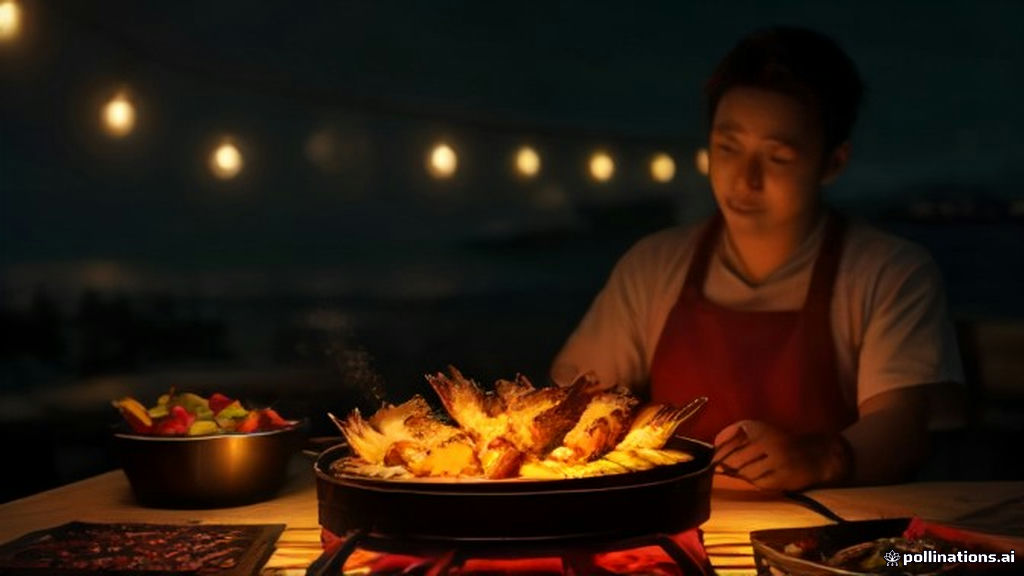
This matters because the heat source is everything. Mangrove charcoal burns hotter and cleaner than standard wood, searing the exterior of the fish instantly to lock in the oceanic salinity. When you bite into a piece of properly grilled stingray at a neighborhood spot, you shouldn’t taste just the marinade; you should taste the distinct, mineral sweetness of the fish itself. It’s a delicate balance that separates a mediocre roadside snack from a genuine culinary event.
Think of a family-run stall in Tanjung Piayu. You won’t find a printed menu here. Instead, you walk up to a display of whatever the morning tide brought in, point to your choice, and watch the cook adjust the distance between the grill grate and the coals based on the thickness of the fillet. If you are trying to analyze these market trends or map out your own culinary routes, tools like CustomGPT can help synthesize local reviews into a digestible itinerary. It’s an expert-level move to cut through the noise of conflicting travel blogs.
Also Read: Es Krim sebagai Peluang Bisnis: Inovasi dan Kreativitas dalam Setiap Sendok
The Smoke and the Stalls: How Local Fishermen Shape the Island’s Evening Grilling Culture
The transition from traditional fishing villages to modern, bustling seafood hubs has created a unique “evening rhythm” across the island. Historically, these grilling stations weren’t businesses; they were communal ways to process a surplus catch before it spoiled in the tropical heat. This practice evolved into the casual, open-air setups we see today, where the boundary between the kitchen and the dining area is nonexistent.
This cultural history matters because it explains the casual, often rugged atmosphere of the best spots. You aren’t paying for fancy plating or air conditioning. You are paying for the freshness of the supply chain, which is often managed directly by the families living in the stilt houses nearby. In my experience, the best stalls are rarely found in the middle of the city’s concrete sprawl; they are tucked away on the edges of the coast, where the logistics of moving fish from boat to grill take less than an hour.
For example, consider the difference in texture when you eat at a coastal village stall versus a hotel buffet. In a village spot, the skin of the fish is usually charred and crispy from the direct flame, while the flesh remains translucent and flaky. At the Batam Business Community, we often emphasize that supporting these smaller, localized hubs is what keeps the island’s authentic food identity alive. If you’re looking for guidance on how to identify these legitimate spots, feel free to reach out to our team via our WA contact for insider recommendations. The smoke you smell from the street isn’t just decoration—it’s a signal that the day’s catch is being prepared according to the generational standards of the local maritime community.
Choosing between a waterfront kelong and a bustling city center grill is the biggest decision you’ll make when planning your evening. Many travelers assume these options are interchangeable, but they offer entirely different experiences that cater to different moods.
The waterfront kelong experience is defined by isolation and raw atmosphere. You are typically dining on wooden platforms built over the sea, often accessible only by small boats or long, narrow piers. The air is thick with the scent of salt spray and charcoal, and the seafood is pulled from the water just steps from your table. If you want to see exactly where your dinner spent the afternoon, this is the environment for you. Because these structures are often located in remote corners of the island, they offer a quiet, almost meditative pace that contrasts sharply with the neon lights of Nagoya Batam.
Conversely, downtown grills prioritize convenience and high-energy social interaction. You’ll find these stalls lining the streets of popular districts, where the grill is part of the sidewalk theater. The smoke here is denser, mixing with the hum of traffic and local chatter. While the freshness is still high due to the island’s rapid transit of goods, the appeal here is the “night market” vibe. If you are a social butterfly who wants to pair your BBQ Batam experience with a cold drink and people-watching, stick to the city hubs.
Honesty time: I’ve seen many visitors make the same mistake when hunting for the perfect plate of charred snapper. They walk into the first bright, loud restaurant they see, assuming that high prices or a fancy sign guarantee quality. In reality, the best grilled seafood in this region is often found in places that look like they haven’t been renovated since the nineties.
If you see a menu with fifty pages, keep walking. Authentic, high-quality seafood grilling requires mastery of a few specific items, not a jack-of-all-trades kitchen. A stall focusing on just three types of fish and a handful of local shellfish is usually the one that has perfected its spice rub and fire management. When I consult for the Batam Business Community, I always tell people to look for the “char pattern.” If the fish is grey or mushy, it was likely thawed from a frozen state. Authentic charcoal grilling should leave distinct, dark sear marks and a firm, opaque texture.
Another common pitfall involves ignoring the sambal. A good grilled fish is only as strong as its accompanying chili paste. If the sambal looks like it came from a pre-packaged jar—bright red and uniform—you are likely in a tourist trap. You want a paste that looks rustic, featuring crushed seeds, uneven chunks of chili, and the distinct aroma of toasted shrimp paste.
For those traveling from across the water, the proximity of batam dekat singapura makes it easy to fall into the trap of over-planning. You don’t need a reservation at a high-end resort to get a world-class meal. In my experience, the most memorable dinners happen when you are willing to walk a few blocks away from the main hotel strip. If you find yourself lost or unsure if a stall is legit, don’t hesitate to reach out to our team at [https://wa.me/628136341405](https://wa.me/628136341405) for a quick, local recommendation.
Expert sourcing is all about reading the crowd, not the reviews. If you see a place packed with locals during a weeknight, you have found the gold standard.
- Check the grill: Ensure they are using actual wood or charcoal, not gas burners.
- Inspect the display: Fresh fish should have clear eyes and bright red gills, not dull or sunken features.
- Follow the locals: If the majority of the patrons are residents, you are likely paying a fair price for a fresh catch.
- Ask for the “catch of the day”: Avoid items that are flown in from across the country; stick to what the local boats brought in that morning.
Navigating these stalls requires a bit of intuition, but once you find your “home base” stall, the experience becomes much more rewarding. Remember that the goal isn’t just to eat, but to participate in a culinary tradition that has sustained this island for generations. Whether you choose a quiet pier or a lively city street, the smoky, charred flavor of fresh Batam seafood is a benchmark for anyone who truly appreciates coastal cooking. We keep a running list of these hidden gems at [https://www.batambisnis.com](https://www.batambisnis.com) for those who want to dig deeper into the island’s authentic food scene.
If you find yourself standing before a charcoal grill at a Batam night market, don’t be afraid to get hands-on. I’ve learned that the secret to the perfect bbq batam experience often lies in the seasoning requests. Most stalls offer a default “kecap manis” (sweet soy sauce) glaze with a side of house-made chili sambal. If you prefer the natural sweetness of the snapper or squid to shine through, ask the vendor for “bakar tanpa bumbu” or “bakar polos”—grilled plain with just a squeeze of lime and a hint of salt. It’s a bold move, but it reveals the true quality of the catch.
When you’re ready to level up your culinary exploration, keep a few logistical tips in mind. The best grilling spots near the coast often run on “island time.” Don’t arrive at 6:00 PM expecting a full spread; the charcoal usually hits the right temperature closer to 7:30 PM. I’ve often seen travelers arrive too early and settle for leftovers or half-thawed fish. By waiting until the peak dinner hour, you ensure that your order is coming off a fresh batch of coals. If you are ever unsure about a location, contact the Batam Business Community via WhatsApp for more information. Visit the Batam Business Community for similar services to help plan your island food tour.
Frequently Asked Questions about BBQ Batam
What is the signature flavor profile of Batam grilled seafood?
The island’s signature style relies on a balance between “pedas” (spicy) and “manis” (sweet). Most chefs use a marinade of sweet soy sauce, tamarind, and a locally ground sambal made from bird’s eye chilies, shallots, and garlic. This creates a caramelized, sticky crust that protects the moisture of the fish while adding a deep, smoky complexity.
How do you identify a truly fresh catch at a BBQ stall?
Always look at the eyes and the gills. A fresh fish will have clear, slightly bulging eyes, whereas dull or sunken eyes indicate the fish has been sitting for too long. Furthermore, lift the gill cover; if the gills are a bright, vibrant red rather than brownish or grey, you are looking at a fish caught within the last 24 hours.
Is it better to eat at a waterfront kelong or a downtown night market?
The experience depends on your goal. Kelong restaurants provide a rustic, atmospheric setting where you are eating mere meters from where the fish were pulled, often resulting in slightly higher prices but better views. Downtown night markets offer a more authentic, gritty, and fast-paced environment that is usually more budget-friendly and allows you to sample smaller portions from multiple vendors.
Can you eat BBQ seafood in Batam if you have a low spice tolerance?
Absolutely, as most vendors are happy to adjust the spice level upon request. You can simply ask for your seafood to be grilled “tanpa sambal” (without chili paste) or ask for the sauce to be served on the side. This allows you to control the heat without missing out on the unique smoky flavor of the charcoal-grilled preparation.
What is the most popular fish used for BBQ in Batam?
“Ikan Kakap” (Red Snapper) is the undisputed king of the grill here due to its firm, flaky texture that holds up well against high heat. You will also frequently find “Cumi-cumi” (squid) and “Udang Galah” (giant freshwater prawns) prepared with the same signature spice blend. These options are chosen specifically because their structural integrity prevents them from falling apart on the wire grill racks.
How should I handle the bill at local seafood stalls?
Most authentic street-side stalls operate on a weight-based pricing system. Always ask for the price “per ons” (100 grams) before the fish hits the grill to avoid surprises. It is standard practice to pay in Indonesian Rupiah (IDR) cash, as many smaller, family-run stalls do not have credit card facilities.
References & Sources
Watch the Related Video
Do Not Miss! Watch the Video Above and Learn More.
Click Here for More Information

A Blogger, Writer, and Digital Marketing Specialist dedicated to helping local SMEs (Small and Medium Enterprises) grow and promote their businesses across Indonesia, Singapore, and Malaysia.
Author: Armein Hutagaol
A Blogger, Writer, and Digital Marketing Specialist dedicated to helping local SMEs (Small and Medium Enterprises) grow and promote their businesses across Indonesia, Singapore, and Malaysia.