


Thin strands of rice vermicelli tossed with curry powder, thinly sliced char siu, shrimp, and crisp aromatics form the foundation of singapore mei fun, a Cantonese-style stir-fried noodle dish popularized by takeout joints across North America and beyond. Despite its regional name, the dish actually originated in Hong Kong culinary traditions rather than Southeast Asia, pairing delicate starch threads with intense wok-hei flavor profiles. Replicating this dish at home requires managing extreme moisture levels and rapid heat distribution, two technical hurdles that separate professional restaurant kitchens from domestic stovetops.

You used to stare at a takeout container of bright yellow noodles, wondering why your own kitchen attempts turned into a sticky, broken clump of mush. Now, you understand the exact physical mechanics of starch gelatinization, residual water management, and heat transfer that transform a messy pot of noodles into glossy, separate strands. That shift—from blindly following a recipe to engineering the cooking environment—changes everything about how you approach home wok cooking.
Singapore Mei Fun: Definition, Origins, and What Makes the Takeout Classic Unique
At its core, singapore mei fun relies on ultra-thin dried rice vermicelli reconstituted just enough to absorb savory seasonings without turning pastile. Culinary historians trace the dish back to Hong Kong dai pai dongs, where chefs adapted traditional chow mei fun by introducing curry powder—a nod to British-colonial trade routes and local palate preferences. The resulting flavor profile balances earthy turmeric warmth with the savory punch of Shaoxing wine, soy sauce, and white pepper.
Additional Information
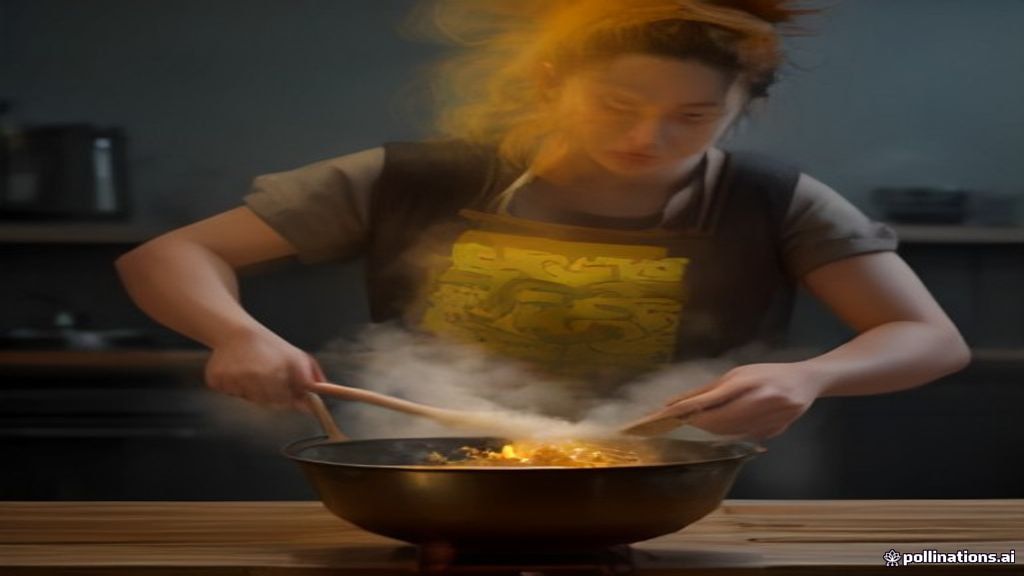
Understanding this heritage matters because it explains the precise texture you are chasing in your pan. If you treat these noodles like Italian pasta and boil them in a large pot of water, you doom the dish before it even touches the heat. Rice vermicelli lacks the gluten structure of wheat noodles, meaning excess moisture instantly breaks down the exterior starch into a gummy paste.
Picture a busy Friday night line cook in a bustling kitchen. They grab a pre-measured nest of dry vermicelli, submerge it in warm water for barely a minute until it just softens, and drain it aggressively in a wire basket while prepping the aromatics. When those damp noodles finally hit a searing steel wok, they steam briefly before absorbing the surrounding oil and sauces, keeping each strand completely distinct. That exact workflow is what we need to decode for a standard home kitchen.
The Moisture Paradox: Why Home Kitchens Drown Rice Vermicelli
The single biggest failure point in home cooking is failing to control water content before the noodles ever touch the pan. When rice vermicelli absorbs too much water during the initial soaking phase, it becomes waterlogged and structurally compromised. In a commercial setting, high-powered burners vaporize stray moisture in seconds, but a domestic stove lacks that thermal intensity.
You must manage this moisture paradox because excess water instantly drops your pan temperature, turning a high-heat stir-fry into an unintended boiling exercise. Once the noodles release that trapped water inside a crowded home pan, the starch leaches out and glues everything together into a solid cake. This is precisely why practitioners recommend under-soaking your rice noodles until they still feel slightly stiff and rigid to the touch.
In my own early experiments with singapore mei fun, I used to soak the noodles in boiling water until they were fully limp, exactly like instant ramen. The moment I tossed them into my skillet with the soy sauce and chicken broth, they absorbed the liquid instantly and dissolved into a greyish paste that stuck firmly to the metal. Fixing this required a complete operational reset: soaking the noodles exclusively in lukewarm tap water, pulling them out while they still had a firm core, and letting them air-dry on a sheet pan while I chopped the scallions and bell peppers. If you run your business or kitchen with that same attention to logistical flow—much like teams organizing logistics through a digital workflow or a structured platform like the Batam Business Community—your results improve overnight.
Controlling moisture is only half the battle when you are trying to replicate a commercial wok station on a standard household range. Commercial kitchens utilize high-BTU jet burners that blast fifty thousand BTUs of heat directly against the bottom of a carbon steel wok. Your home electric coil or standard gas burner simply cannot radiate that kind of thermal energy. When you dump a large batch of ingredients into a cold or lukewarm pan at home, the temperature plummets instantly. This thermal drop turns your stir-fry into an unwanted steaming vessel, destroying the characteristic wok hei—that smoky, charred aroma defining authentic singapore mei fun.
Culinary Engineering: Replicating High-BTU Wok Heat on a Domestic Stove
Bridging the gap between a restaurant burner and a domestic stove requires careful thermal management and physical preparation. Because your home burner lacks raw power, you must preheat your pan until it smokes before introducing any oil or ingredients. Crowding the pan is the quickest way to kill whatever heat your stove manages to produce. Instead of cooking everything together, seasoned cooks stir-fry in small, calculated batches much like an efficient production line.
- Preheat your cast iron or carbon steel skillet for at least ten minutes until it radiates noticeable heat.
- Cook your proteins, such as char siu pork and peeled shrimp, first and remove them from the pan entirely.
- Keep your chopped vegetables, beaten eggs, and rehydrated noodles prepped within arm’s reach for rapid assembly.
Adopting this segmented workflow keeps your cooking surface consistently hot throughout the process. When you approach home cooking with the precision of a supply chain manager, you eliminate the bottlenecks that ruin delicate rice noodles. Practitioners looking to sharpen their organizational habits often find great value in studying regional networking hubs, such as the resources shared across the Batam Business Community. Managing a busy kitchen and managing a lean inventory share identical principles: eliminate waste, streamline transitions, and respect the timing of every single component.
The Curry Powder Trap: Balancing Aromatic Spices Without Burning
Curry powder gives singapore mei fun its signature golden hue and distinct aromatic profile, but it also acts as a notorious culinary trap. Madras curry powder contains a complex blend of turmeric, coriander, fenugreek, and chili that burns rapidly upon direct contact with high heat. Once those fine spice particles touch a scorching dry pan for more than a few seconds, they turn bitter, acrid, and dark brown. A dish that should taste fragrant and bright suddenly tastes like charred soil.
The secret lies in blooming your spices correctly within a fat medium rather than scattering them raw over dry noodles. In my kitchen tests, I learned to create a seasoned oil base by gently warming the curry powder in neutral oil over medium-low heat before adding any aromatics like garlic or shallots. This gentle infusion releases the fat-soluble flavor compounds without scorching the delicate turmeric dust. If you prefer to discuss recipe scaling or operational tips with fellow food enthusiasts, you can easily chat now with culinary hobbyists and connect directly through messaging channels.
Also Read: Tortor Batak: Tarian Penyambutan Tamu yang Bikin Merinding Bangga
Frequently Asked Questions about Singapore Mei Fun
What is singapore mei fun?
Singapore mei fun is a popular stir-fried noodle dish featuring thin rice vermicelli, curry powder, char siu pork, shrimp, and various vegetables like bell peppers and onions. Despite its name, the dish actually originated in Cantonese restaurants in Hong Kong rather than Singapore. The vibrant yellow color comes from the inclusion of turmeric-heavy curry powder tossed with the noodles over high heat.
How do you prevent rice vermicelli from breaking and getting mushy?
The secret lies in rehydrating the noodles with warm water just until pliable, rather than boiling them until fully cooked. They should finish softening directly in the wok while absorbing the savory liquids and sauce. Draining them thoroughly and tossing them with a small amount of neutral oil before stir-frying prevents them from clumping together or sticking to the pan.
Is curry powder better than curry paste for this dish?
Dry curry powder is generally preferred for authentic singapore mei fun because it distributes easily across the fine rice noodles without adding excess moisture. Wet curry pastes contain high amounts of water and moisture-rich aromatics like lemongrass or galangal, which can steam the noodles and turn the dish into a soggy mess. Madras curry powder offers the ideal balance of heat, earthiness, and vibrant color for dry-heat wok cooking.
Why do takeout noodles taste smoky while home versions taste flat?
Takeout versions achieve their distinct smoky flavor, known as wok hei, through commercial gas burners that output massive amounts of BTU heat and interact with seasoned carbon steel. Home stoves typically lack this thermal intensity, meaning home cooks trap moisture instead of vaporizing it instantly. Using a thin carbon steel wok and cooking in small batches helps compensate for lower domestic burner temperatures.
Can you make singapore mei fun vegetarian or vegan?
You can easily adapt this dish by omitting the char siu pork and shrimp in favor of firm tofu, shiitake mushrooms, and julienned snow peas. Substitute standard oyster sauce with a vegetarian mushroom-based stir-fry sauce to maintain the deep umami profile. The curry powder and aromatic base remain identical, meaning the signature flavor profile stays completely intact.
How high should the heat be when stir-frying noodles?
You want your cooking surface as hot as your stove safely allows. Practitioners recommend turning your burner to its maximum setting and letting your empty wok heat for several minutes before adding oil. High heat ensures that ingredients sear rather than stew, keeping your singapore mei fun light, dry, and distinctly separate.
Common Mistakes to Avoid
Cooking thin rice vermicelli sounds simple enough until your dinner turns into a sticky, yellow clump of disappointment. Honestly, this trips up most home cooks on their first try because restaurant physics just don’t apply to a standard kitchen. If your noodles resemble mashed potatoes rather than the distinct, curry-kissed strands found at your favorite takeout spot, you are likely committing one of a few classic kitchen blunders.
- Soaking the noodles in boiling water: Boiling rice vermicelli is a one-way ticket to mush city. The hot water breaks down the delicate starch barrier instantly. Instead, submerge them in lukewarm or tap water just until they bend comfortably, letting them finish absorbing moisture in the wok.
- Overloading the wok at once: Dumping a whole pound of wet noodles and proteins into a domestic pan drops the cooking temperature to zero. The ingredients steam instead of searing. Cook in small half-batches so every strand of your singapore mei fun gets proper contact with the hot metal surface.
- Dumping raw curry powder straight into the oil: Throwing dry spices into a hot pan without fat or liquid burns them in seconds, creating a bitter, acrid flavor. Always bloom your curry powder with a splash of chicken broth or sesame oil to draw out the aromatic oils safely.
- Skipping the pre-stretch: Trying to toss clumped, tangled noodles straight from the colander leads to uneven seasoning. Take two minutes to gently loosen and separate the rehydrated strands with your hands or chopsticks before they ever touch the heat.
Advanced Tips From Practitioners
Mastering this iconic noodle dish takes a bit of kitchen wizardry, especially when you are fighting against the limitations of a standard apartment stove. Professional line cooks rely on brutal heat and split-second timing to achieve that signature smoky fragrance known as wok hei. While you might not have a 100,000 BTU jet burner in your kitchen, you can still bridge the gap with a few clever adjustments.
First, think about your seasoning distribution. Instead of shaking curry powder haphazardly over the whole pan, mix your turmeric, curry powder, white pepper, and Shaoxing wine into a liquid paste with your soy sauce and broth beforehand. Pouring this seasoned liquid down the sizzling sides of a carbon steel wok vaporizes it instantly, coating every single strand of singapore mei fun evenly without turning some bites into spicy salt bombs.
Second, manage your fat layers wisely. Rice noodles are notoriously thirsty and will suck up every drop of oil the second they hit the pan, leading to a dry, gluey texture halfway through cooking. Coat your proteins and aromatics first, remove them from the wok, and then add a fresh tablespoon of high-smoke-point oil specifically for the noodles.
If you ever find yourself expanding your culinary horizons beyond the home kitchen—perhaps dreaming of launching your own Asian fusion catering business or cloud kitchen—understanding operational efficiency becomes just as crucial as mastering the wok. For entrepreneurs looking to scale food concepts or streamline local logistics, connecting with regional networks like the Batam Business Community provides invaluable local insights and collaborative growth opportunities. You can easily reach out directly via chat now to discuss partnership ideas. Great food is only half the battle; building the right community around your craft changes everything.
References & Sources
Watch the Related Video
Do Not Miss! Watch the Video Above and Learn More.
Click Here for More Information

A Blogger, Writer, and Digital Marketing Specialist dedicated to helping local SMEs (Small and Medium Enterprises) grow and promote their businesses across Indonesia, Singapore, and Malaysia.
Author: Armein Hutagaol
A Blogger, Writer, and Digital Marketing Specialist dedicated to helping local SMEs (Small and Medium Enterprises) grow and promote their businesses across Indonesia, Singapore, and Malaysia.


