


Characterized by thin rice vermicelli tossed with curry powder, char siu pork, shrimp, and scrambled eggs, singapore rice noodles represent a Cantonese-American stir-fry staple that actually originated in Hong Kong dai pai dongs rather than Singapore. This dish achieves its signature golden hue and savory aroma through a precise blend of curry spices, hot wok technique, and careful noodle rehydration. While traditional hawkers rely on industrial-grade burners to infuse the noodles with smoky depth, home cooks can master authentic results by balancing moisture control with proper wok heat management.

Smoke alarms were blaring in my apartment kitchen while a clump of gummy rice noodles fused hopelessly to the bottom of my seasoned carbon steel wok. I had followed a generic recipe word-for-word, yet I ended up with a starchy, yellow sludge instead of the separate, fragrant strands I remembered from my favorite neighborhood spot. That messy disaster forced me to stop guessing and figure out the exact physical mechanics behind stir-frying singapore rice noodles.
This article deconstructs the art of stir-frying Singapore rice noodles by blending traditional hawker techniques with professional kitchen workflow hacks. If you run a culinary blog or need to streamline food content creation, you might even explore tools like a customgpt demo to help organize your recipes and kitchen notes. Let us dive into the mechanics that separate a soggy mess from hawker-style perfection.
Additional Information
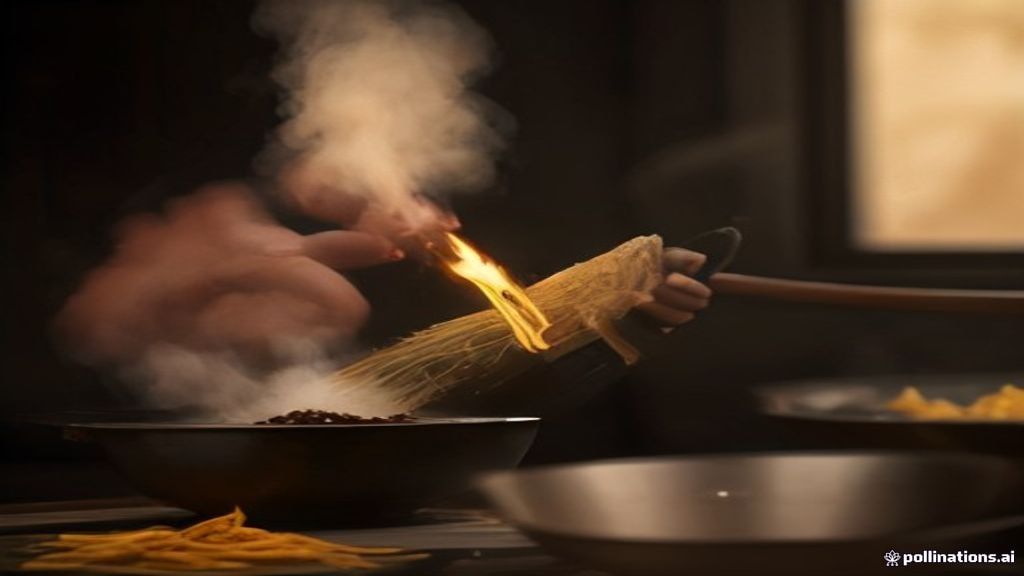
Singapore Rice Noodles: Definition, Origins, and What Makes Them Unique
At its core, the dish consists of thin, dried rice vermicelli rehydrated and then rapidly tossed over intense heat with char siu pork, shrimp, scallions, bean sprouts, and sliced red peppers. The defining characteristic is a vibrant yellow seasoning paste built primarily on curry powder, chicken broth, soy sauce, and sometimes Shaoxing wine. Contrary to what the name suggests, you will rarely find this exact preparation on local menus in Singapore; it belongs firmly to the cannon of Cantonese stir-fries popularized globally through Hong Kong style cafes and takeout joints.
Understanding this lineage matters because it dictates how the ingredients interact in the pan. The curry powder is not meant to create a heavy, Indian-style gravy. Instead, it acts as a dry spice coating that blooms instantly in hot fat, coloring every single strand of rice noodle evenly. When I first tested authentic recipes, I realized the dish relies on a delicate balance of proteins and crunch. If your bean sprouts are soggy or your pork is chopped too thick, the entire texture profile collapses.
Picture a busy Hong Kong kitchen during the Friday dinner rush. The chef drops a basket of blanched vermicelli into a roaring wok, splashes in a ladle of seasoned chicken stock that hisses violently, and dusts the noodles with curry powder in one fluid motion. Within forty-five seconds, the liquid evaporates, leaving behind dry, glossy, perfectly separated noodles infused with smoky flavor. Recreating this at home means respecting that rapid sequence of events rather than dumping everything into the pan at once.
The Science of Hydration: How to Prep Thin Rice Vermicelli Without Breaking
Thin rice vermicelli breaks down into mush instantly if it spends too much time soaking in hot water. Practitioners generally recommend soaking dried rice noodles in lukewarm or room temperature water for roughly ten to fifteen minutes until they are just pliable, not fully soft. The noodles should still offer firm resistance when you bend them, because they will finish cooking and absorb flavorful liquids directly inside the hot wok.
Getting this hydration step right prevents the most common home-cooking failure: sticky, broken clumps of starch. If you soak them in boiling water, the outer starches gelatinize too quickly, turning your noodles into glue before they even touch the wok. On the other hand, under-soaking leaves hard, crunchy centers that refuse to absorb your sauce. In my experience, testing the bend of a single strand against your fingern is the most reliable way to judge readiness.
Consider a scenario where you prep two batches of noodles side by side. Batch one sits in boiling water for five minutes, while batch two soaks in cool tap water for twelve minutes. When tossed in the wok, batch one instantly shatters into tiny fragments under your spatula, absorbing too much moisture and sticking to the metal. Batch two flexes and absorbs the curry broth gracefully, maintaining long, slurpable strands that look like they came straight out of a professional restaurant kitchen.
Curry Powder vs. Turmeric: The Flavor Profile Debate That Changes Everything
You cannot talk about authentic singapore rice noodles without diving headfirst into the spice cabinet. Walk into any neighborhood spice market, and you will find an overwhelming array of curry powders. Some lean heavy on coriander and cumin, while others burn with intense heat from chili and black pepper. Choosing the right blend makes or breaks your dish.
Most home cooks make the mistake of using a generic, overly sweet curry powder straight out of the jar. That approach flattens the flavor profile, leaving your noodles tasting like a standard weeknight casserole. Professional hawkers generally rely on a custom Madras-style curry powder for its sharp, forward notes of fennel and fenugreek. This specific blend cuts through the oil and coats every single strand of rice vermicelli in a brilliant, aromatic hue.
Turmeric plays a supporting yet critical role in this color debate. While curry powder provides the complex background flavor, pure ground turmeric delivers that unmistakable, vibrant yellow shade. If you add too much turmeric on its own, however, your noodles will taste bitter and earthy. Balance is everything.
Picture a kitchen experiment where two chefs cook side by side. Chef A dumps three tablespoons of standard yellow curry powder into the wok, resulting in a murky brown, aggressively spiced dish. Chef B builds a balanced base by using a high-grade Madras curry powder combined with just a quarter teaspoon of pure turmeric for visual pop. Chef B’s plate comes out smelling fragrant, looking radiant, and tasting clean.
Common Mistakes Home Cooks Make When Stir-Frying Rice Noodles
Even with properly hydrated noodles and the finest spices, a few classic traps catch nearly every beginner off guard. Stir-frying requires speed and high heat, leaving zero margin for hesitation. When you crowd a residential stovetop burner, temperatures plummet instantly. The noodles release moisture instead of searing, turning your dish into a soggy, clumped mess.
Another frequent misstep involves dumping all your sauce ingredients into the wok at the exact same time. Liquid cools down the metal surface and strips away precious heat. Professional chefs usually mix their soy sauce, Shaoxing wine, and chicken broth in a small bowl beforehand. They drizzle this seasoning blend down the scorching sides of the wok rather than right on top of the noodles.
- Overloading the wok with too many bulky ingredients at once
- Using low heat that stews the noodles instead of frying them
- Skipping the crucial step of pre-mixing liquid seasonings
- Stirring too aggressively and shredding delicate vermicelli
Mastering these details takes patience and a bit of muscle memory. If you find yourself struggling to keep your kitchen organized while cooking, stepping back to streamline your prep stations helps immensely. For those looking to manage restaurant-style kitchen workflows or scale up culinary operations, structured business guidance can make all the difference. You can explore practical management resources and connect with industry peers through the Batam Business Community. Feel free to reach out directly via WhatsApp for quick advice by clicking chat now.
Also Read: Wisata Hemat di Batam: Rekomendasi Tempat Menarik
Pro Tips From Professional Kitchens for Achieving Smoky “Wok Hei” Flavor
That elusive, smoky taste you experience at a top-tier street stall is what chefs call wok hei, or the breath of the wok. Achieving this aroma at home sounds impossible when using a standard electric stove. Yet, you can mimic the effect with a few smart kitchen adjustments.
First, ditch the non-stick pan. You need a well-seasoned carbon steel wok that can handle screaming-high heat without releasing toxic coatings. Heat that metal until it literally smokes before adding your cooking oil. That flash-heat reaction creates the caramelized edges on your char siu and bean sprouts.
Timing your aromatics correctly keeps them from burning into bitter charcoal. Shallots, garlic, and sliced scallions go in for just a few seconds before the noodles hit the surface. When you toss the singapore rice noodles into that roaring hot environment, let them sit undisturbed for ten seconds to catch a slight char. Then, toss vigorously. That brief pause allows the starch to toast, delivering authentic hawker depth right in your own kitchen.
Frequently Asked Questions about Singapore Rice Noodles
What are Singapore rice noodles made of?
These thin noodles consist primarily of rice flour and water, which explains their natural bright white color and delicate texture. Unlike wheat-based noodles, they contain zero gluten and rely entirely on gentle rehydration rather than boiling to reach the right bite. Practitioners recommend checking ingredient labels if you have strict dietary needs, as commercial brands occasionally add tapioca starch to improve elasticity.
How do you keep thin rice vermicelli from breaking into mush during a stir-fry?
The secret lies in lukewarm water soaking rather than boiling. Submerge your dry vermicelli for roughly five to eight minutes until it bends easily but still offers firm resistance when you press a strand. Drain the noodles thoroughly in a colander and let them air-dry for ten minutes before they ever touch the wok. This short resting window allows surface moisture to evaporate, preventing the strands from instantly turning to paste when they hit the hot oil.
Is curry powder better than turmeric for this dish?
Curry powder wins every time because it brings a complex blend of spices like coriander, cumin, fenugreek, and cloves alongside that signature golden hue. Turmeric alone offers a vibrant yellow color, but it tastes slightly bitter and earthy without the supporting cast of aromatics found in a quality Madras curry powder. When I tested both approaches in the kitchen, turmeric left the dish tasting flat, whereas curry powder provided the necessary depth and warmth.
Why do my noodles stick to the wok every single time?
Sticking usually happens because your metal isn’t hot enough or your oil hasn’t had a chance to polymerize into a temporary non-stick surface. Professional kitchens rely on the “hot wok, cold oil” method to seal the pores of seasoned carbon steel before adding any ingredients. If you drop your ingredients into a lukewarm pan, the starches will bond directly to the metal and refuse to let go.
Can I make Singapore rice noodles ahead of time?
Stir-fried noodles lose their ideal texture if they sit in the fridge for too long, but you can prep all your components hours in advance. Slice your char siu, shred the bell peppers, peel the shrimp, and soak your noodles, keeping everything separate in airtight containers. When dinner time arrives, the actual cooking process takes less than five minutes on high heat.
Are Singapore noodles actually from Singapore?
Ironically, this iconic dish is a Cantonese creation popularized by restaurants in Hong Kong and overseas Chinatowns rather than an authentic hawker stall dish from Singapore. Cantonese chefs combined thin rice vermicelli with curry powder—a nod to British-Colonial culinary influences—to create a distinct flavor profile that caught on globally. Local hawkers in Singapore might recognize a similar dish called bee hoon, but it rarely features curry powder in the traditional local repertoire.
Mastering this dish takes a bit of practice with heat control and noodle prep, but the results taste far better than takeout. If you want to refine your technique further or need a quick troubleshooting tip while standing in your kitchen, reach out to the culinary mentors at the Batam Business Community via WhatsApp for more information. Visit Batam Business Community for similar services and hands-on food entrepreneurship guides.
Common Mistakes to Avoid
Cooking thin rice vermicelli sounds simple until your wok turns into a sticky disaster. Honestly, this trips up most home cooks on their first try. When making Singapore rice noodles, small technique slips turn a vibrant, aromatic plate into a mushy, uneven mess. Here is how to keep your kitchen experiments on track.
- Oversoaking the noodles: Dumping dry vermicelli into boiling water ruins the dish before it even hits the heat. Rice noodles continue to soften as they absorb sauce in the wok. Soak them in warm tap water just until they bend, leaving them slightly firm to the bite. They will finish cooking in the wok without snapping into tiny, frustrating fragments.
- Dumping all the ingredients in at once: Piling meats, vegetables, and noodles into a crowded pan drops the temperature instantly. Wet ingredients steam everything instead of searing it. Cook your proteins and aromatics in batches, remove them, and toss them back in at the very end. High heat is your best friend here.
- Skipping the curry powder bloom: Sprinkling dry curry powder straight over wet noodles creates powdery, bitter yellow clumps. Spices need fat to release their essential oils and deep flavors. Always bloom your curry powder in warm oil over medium-low heat for about thirty seconds before adding anything else to the pan.
- Using too much heavy soy sauce: Drowning the noodles in dark soy sauce masks the delicate curry aroma and turns the dish an unappealing muddy brown. Authentic Singapore rice noodles rely on Shaoxing wine, a touch of light soy for saltiness, and turmeric or curry powder for that signature golden hue. Keep heavy soy strictly to a light drizzle for color balance.
Advanced Tips From Practitioners
Professional wok chefs rely on subtle habits that rarely make it into standard cookbooks. Achieving that smoky, restaurant-quality char—known as wok hei—requires more than just turning your kitchen stove up to maximum. If your home burner lacks restaurant power, try tilting your carbon steel wok slightly over the flame to superheat one specific spot. Moving the noodles rapidly through that hot zone creates a faint, delightful smokiness without burning the fragile rice strands.
Another insider trick involves oil management. Traditional cooks coat the drained noodles with a teaspoon of neutral oil before they ever touch the wok. This microscopic barrier prevents the starches from bonding to the hot metal surface, ensuring every single strand stays separate and glossy. Pair this technique with a pair of long, sturdy wooden chopsticks instead of a spatula for tossing. You get much better leverage, preventing the delicate noodles from breaking apart while distributing the curry seasoning evenly.
Mastering these nuances takes patience, but every batch gets noticeably easier. If you ever want to swap culinary notes or need a quick troubleshooting tip while standing in your kitchen, reach out to the culinary mentors at the Batam Business Community via WhatsApp for more information. Visit Batam Business Community for similar services and hands-on food entrepreneurship guides that help you take your home cooking to a professional level.
References & Sources
Watch the Related Video
Do Not Miss! Watch the Video Above and Learn More.
Click Here for More Information

A Blogger, Writer, and Digital Marketing Specialist dedicated to helping local SMEs (Small and Medium Enterprises) grow and promote their businesses across Indonesia, Singapore, and Malaysia.
Author: Armein Hutagaol
A Blogger, Writer, and Digital Marketing Specialist dedicated to helping local SMEs (Small and Medium Enterprises) grow and promote their businesses across Indonesia, Singapore, and Malaysia.


