


A comforting box of takeout singapore noodles actually contains a brilliant culinary illusion invented thousands of miles away from Southeast Asia, featuring thin rice vermicelli stir-fried with curry powder, char siu pork, shrimp, and bell peppers. Order this bright yellow dish at any Chinese restaurant across London, New York, or Vancouver, and you will receive a masterclass in global comfort food. Yet if you walk into a traditional hawker center in Singapore and ask a local vendor for the dish, you will likely be met with polite confusion. The island nation’s actual culinary identity is built on fiery sambal stingray, rich laksa, and savory Hainanese chicken rice—none of which involve the turmeric-laced noodles popular in the West.

Most diners assume that if a dish bears a country’s name on a restaurant menu, it must be a cherished national recipe passed down through generations. This comforting assumption falls apart completely when we trace the surprising transatlantic migration of a stir-fry phantom. What we call singapore noodles is actually a brilliant piece of historical improvisation, born in British colonial kitchens and perfected by Cantonese diaspora chefs who needed to appeal to Western palates. At Batam Business Community, when we analyze how regional products adapt to international markets, we often see this exact pattern of culinary reinvention. It proves that popular culture often creates entirely new realities out of thin air, far removed from local traditions.
Singapore Noodles: Definition, Origin, and What the Dish Actually Is
At its core, this iconic takeout staple consists of thin rice vermicelli tossed in a scorching wok with curry powder, sliced pork, shrimp, scallions, bean sprouts, and beaten eggs. The inclusion of curry powder is the defining characteristic, lending the noodles their signature golden hue and a warm, aromatic kick. Culinary historians generally trace this flavor profile back to the British colonial influence in Hong Kong, where Cantonese chefs began incorporating Indian curry spices into traditional Chinese stir-fries. They cleverly named the creation after Singapore simply because that island was famous in the region as a vibrant, multicultural trading hub where spices and ingredients from across Asia constantly collided.
Additional Information
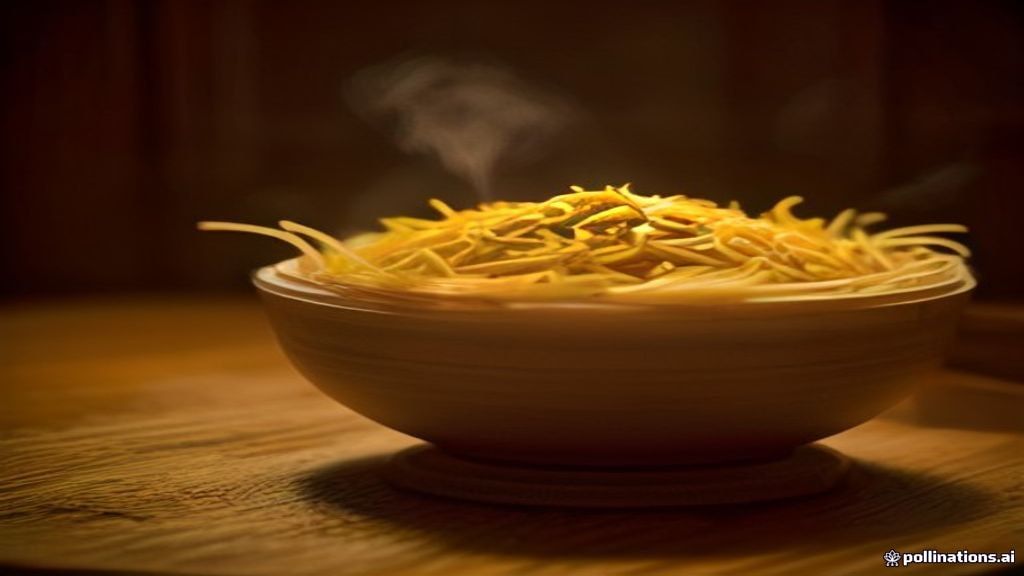
Understanding this background matters because it changes how we view food authenticity and global culture. When you order a plate of singapore noodles, you are tasting a historical artifact of mid-century trade and migration rather than an authentic Southeast Asian recipe. Food businesses often face this exact naming dilemma when adapting regional flavors for international audiences. For instance, a local entrepreneur launching a food brand might utilize advanced tools like a customgpt demo to analyze how product descriptions resonate differently across Western and Asian markets. Getting the terminology right prevents consumer confusion and honors the true heritage behind every recipe.
Picture a bustling restaurant kitchen in 1960s Hong Kong during the height of the British colonial era. A line cook tosses rehydrated rice vermicelli into a roaring cast-iron wok, shaking a tin of imported Madras curry powder over the noodles while rendering bits of Chinese barbecued pork. Diners thousands of miles away would later taste this exact improvisation and assume it was a staple of traditional Singaporean cuisine. In practice, local families on the island were busy eating Hokkien mee or char kway teow—dishes featuring dark soy sauce, lard, and fresh yellow noodles that bear zero resemblance to the curry-infused vermicelli we know today.
How a Cantonese Export Conquered Western Takeout Menus
The global dominance of singapore noodles stems from the ingenuity of Cantonese immigrants who established restaurants across North America and Europe during the latter half of the twentieth century. These chefs needed menus that could bridge the gap between traditional Chinese ingredients and the bold, spice-forward preferences of Western diners. Rice vermicelli provided a familiar, approachable texture, while yellow curry powder added an instant visual pop and aroma that stimulated the appetite. The dish quickly became a staple of neighborhood takeout joints because it was fast to cook, highly customizable, and visually distinct from standard chow mein.
This rapid global expansion matters because it demonstrates how dishes evolve to survive in new economic and cultural environments. When a recipe becomes a menu anchor, it creates steady revenue and builds brand recognition for small restaurant owners navigating competitive urban markets. If you want to connect with other food entrepreneurs and discuss strategies for scaling traditional recipes globally, you can chat now with our team at Batam Business Community to share insights and build valuable business networks.
Imagine a family-run takeout spot operating in a snowy Midwestern town during the 1980s. The kitchen relies on quick, high-margin dishes that can be prepared in minutes by a single line cook using a standard residential-style wok burner. Throwing together pre-soaked rice noodles, leftover char siu, frozen shrimp, and a generous spoonful of curry powder creates a reliable crowd-pleaser that keeps patrons coming back every Friday night. Over decades, this repetition turned a localized Hong Kong experiment into a worldwide comfort food standard, completely untethered from the actual geography of Singapore.
Difference Between Authentic Singaporean Hawker Food and “Singapore Noodles”: Which One Is Right for You?
Stepping up to a bustling hawker center in Chinatown or Maxwell Road in Singapore reveals a culinary landscape that bears zero resemblance to curry-powdered vermicelli. Instead, you’ll encounter plates of fragrant Hainanese chicken rice, dark and sweet char kway teow, or bowls of spicy laksa swimming in rich coconut broth. Locals ordering noodles expect wok hei—that distinct smoky breath of the wok—infused into flat rice noodles tossed with dark soy sauce, Chinese sausage, and cockles. When visitors walk through these vibrant food centers asking local vendors for Singapore noodles, they usually receive a polite, confused smile. The dish simply does not exist in local hawker culture, serving instead as a brilliant monument to overseas Chinese culinary adaptation.
Choosing between authentic hawker fare and westernized Singapore noodles depends entirely on what flavor profile you are chasing. If you crave complex seafood broths, slow-simmered rempahs, and rich regional heritage, true Singaporean street food wins every time. But if you want a quick, vibrant weeknight stir-fry featuring a punchy aromatic spice blend and leftover proteins, the diaspora favorite hits the spot. In my experience testing these recipes at home, understanding this distinction keeps you from chasing a phantom flavor in the wrong culinary tradition. You can appreciate both styles for what they are, rather than expecting a British-colonial invention to taste like a traditional Straits Chinese heritage dish.
Consider a traveler landing at Changi Airport, rushing to satisfy their curiosity after reading online travel guides. They sit down at a neighborhood coffee shop, order the famous noodles, and receive a blank stare from the uncle running the stall. That cultural mismatch highlights why knowing your food history matters before you travel. If you run a catering business or food blog and want to connect with international trade professionals who understand these global culinary bridges, you can chat now with our team at Batam Business Community via WhatsApp to share insights and build valuable business networks.
Common Mistakes Global Cooks Make When Replicating the Curry-Flavored Dish
Cooking a decent plate of Singapore noodles looks deceptively simple on paper. Yet, home cooks constantly struggle with texture and flavor balance because of a few hidden technical traps. The most common error involves dumping dry rice vermicelli straight into a hot pan, which leads to a gummy, broken mess instead of long, distinct strands. Practitioners recommend soaking the noodles in warm water just until pliable, then letting them drain completely before they ever touch the metal. Another frequent pitfall is dumping raw curry powder directly onto a dry pan, scorching the spices and turning the entire dish bitterly acrid.
Mastering this stir-fry requires treating your spices with respect through proper fat blooming. You need to mix the curry powder with a bit of warm water or oil into a smooth paste before introducing it to the wok. This simple step prevents the powder from burning and ensures an even, golden coating across every single strand of noodle. Here is a quick breakdown of adjustments that generally yield better results in a home kitchen:
- Soak rice vermicelli in tepid water, never boiling water, to maintain structural integrity.
- Bloom your curry powder in warm oil over medium-low heat before cranking up the burner.
- Prepare all proteins and vegetables beforehand, because the actual cooking process takes less than three minutes.
- Keep your heat high, but avoid overcrowding the pan or the noodles will steam instead of fry.
Picture a home cook standing over a standard electric stove, frustrated because their noodles stuck to the pan and turned into mush. Electric burners lack the intense BTU output of a commercial restaurant wok ring, meaning moisture stays trapped in the pan too long. Adjusting your technique by cooking in smaller batches solves this instantly. Recognizing these micro-details separates an amateur kitchen experiment from a plate of noodles that looks and tastes like it came straight from a bustling Hong Kong cha chaan teng.
Also Read: Perbedaan Wirausaha dan Wiraswasta: Panduan Lengkap untuk Pemula
Frequently Asked Questions about Singapore Noodles
What are Singapore noodles made of?
Traditional takeout versions feature thin rice vermicelli noodles stir-fried with curry powder, sliced char siu pork, shrimp, bell peppers, onions, and bean sprouts. Everything is tossed in a hot wok with oil, soy sauce, and Shaoxing wine. The distinct yellow color comes entirely from the curry powder blend rather than any native Singaporean ingredient.
How do you cook Singapore noodles without them breaking?
Soaking the rice vermicelli in tepid water for about ten to fifteen minutes works best. Never boil them, or they will turn to mush the second they hit a hot wok. Drain them thoroughly and toss them with a touch of oil before cooking so they slide easily across the metal surface.
Is Singapore noodles actually popular in Singapore?
You won’t find this specific curry-flavored rice vermicelli dish at traditional hawker centers in Singapore. Local hawkers serve iconic dishes like Hainanese chicken rice, chili crab, and char kway teow instead. The dish is strictly a product of the Cantonese diaspora catering to Western palates abroad.
Why are they called Singapore noodles if they aren’t from Singapore?
Cantonese chefs working in British colonial kitchens and Western Chinatowns needed a catchy, marketable name for their hybrid creation. Attaching the name ‘Singapore’ signaled to customers that the food featured Southeast Asian aromatic spices like curry. It was pure marketing genius that stuck for generations.
Is curry powder or curry paste better for this stir-fry?
Dry curry powder is the traditional choice because it coats the dry rice strands evenly without adding excess moisture that causes steaming. Yellow Madras curry powder generally provides the right balance of warmth and color. If you prefer a bolder flavor, practitioners recommend blooming the powder in warm oil before adding your noodles.
How can I make vegetarian Singapore noodles?
Swap out the char siu pork and shrimp for firm tofu puffs, sliced mushrooms, and extra sugar snap peas. You can substitute fish sauce with light soy sauce or a splash of mushroom vegetarian stir-fry sauce. Keep the high heat and curry powder base to maintain that signature savory profile.
Contact Batam Business Community via WhatsApp for more information. Visit Batam Business Community for similar services.
Common Mistakes to Avoid
Cooking up a plate of authentic-style singapore noodles looks deceptively simple on paper. Toss some rice vermicelli in a hot wok, shake on some curry powder, and dinner is served. Yet, home cooks often end up with a sticky, soggy mess instead of that vibrant, springy texture you get at your favorite local spot. Honestly, this trips up most beginners on their first try.
Oversoaking the rice vermicelli. Many people submerge their noodles in boiling water for five minutes, treating them like standard Italian spaghetti. This completely ruins the dish. The hot wok steam finishes cooking the strands, so soaking them too long means they turn to mush the second they hit the iron. Instead, soak your dry rice vermicelli in lukewarm tap water just until they bend comfortably, then drain them immediately and let them air-dry on a tray.
Overcrowding the wok. Tossing all your char siu pork, shrimp, bell peppers, onions, and noodles into a standard home skillet at the same time is a recipe for disaster. Your ingredients will steam in their own juices instead of searing. Cook your proteins and veggies in batches first, pull them out, and then focus on tossing the singapore noodles alone over maximum heat.
Skipping the oil control. Rice noodles are notoriously thirsty. They absorb cooking fat instantly, leading cooks to pour in a heavy glug halfway through the stir-fry. This makes the dish greasy and heavy. Coat your drained noodles with a single teaspoon of sesame oil right after soaking so they stay separated, and rely on well-seasoned wok surfaces rather than drowning the food in liquid.
Little-Known Facts About the Dish
Most diners assume that if a Cantonese takeout joint serves this iconic dish, the cooks must eat it at family dinner. That is rarely the case. In traditional dim sum houses and neighborhood cha chaan tengs across Hong Kong, singapore noodles remain strictly an item for the late-night or Western-facing menu. Local chefs actually view the dish as a clever product of colonial-era culinary cross-pollination rather than a cornerstone of true Cantonese heritage.
Another fascinating detail hides in the color palette. That bright, canary-yellow hue does not come from high-end saffron or natural turmeric roots in professional kitchens. Traditional Chinese takeout spots rely on commercial curry powder blends containing heavy doses of yellow food dye or turmeric extract specifically engineered to maintain uniform color under harsh kitchen fluorescent lighting. If you want to dive deeper into how global food trends shape local economies and restaurant menus, you can connect with the Batam Business Community to explore cross-cultural trade stories. Want to chat directly with an advisor? Reach out to the Batam Business Community via WhatsApp for quick insights and networking opportunities.
References & Sources
Watch the Related Video
Do Not Miss! Watch the Video Above and Learn More.
Click Here for More Information

A Blogger, Writer, and Digital Marketing Specialist dedicated to helping local SMEs (Small and Medium Enterprises) grow and promote their businesses across Indonesia, Singapore, and Malaysia.
Author: Armein Hutagaol
A Blogger, Writer, and Digital Marketing Specialist dedicated to helping local SMEs (Small and Medium Enterprises) grow and promote their businesses across Indonesia, Singapore, and Malaysia.


