


Difference Between Mackerel and Snapper in Soup: Choosing the Right Texture
When you drop a piece of fish into simmering broth, the physics of protein denaturation takes over immediately. Mackerel, with its tightly packed dark muscle fibers and rich oil deposits, reacts completely differently to heat than snapper, which relies on delicate, flaky white myotomes. In my experience testing batches of authentic sop ikan batam, mackerel yields a much heavier body. The natural oils render out into the soup, creating a rich film that clings to your spoon. Snapper, on the other hand, respects the boundaries of the clear broth. It stays pristine, flaky, and delicate without muddying the clean, peppery bite of ginger and fried shallots.

The choice ultimately hinges on what kind of dining experience you want to create for your guests. If you prefer a robust, deeply savory bowl that satisfies a heavy appetite after a long walk exploring a bustling district like city walk batam, mackerel is your reliable workhorse. It holds its structural integrity under extended simmering without turning into absolute mush. But if you are aiming for a lighter, restorative meal that highlights the purity of the catch, snapper is the undisputed winner. It flakes cleanly at the touch of a chopstick and lets the sour brightness of green tomato wedges shine through.
Here is a quick breakdown of how these two fish perform side-by-side in a steaming bowl:
Additional Information
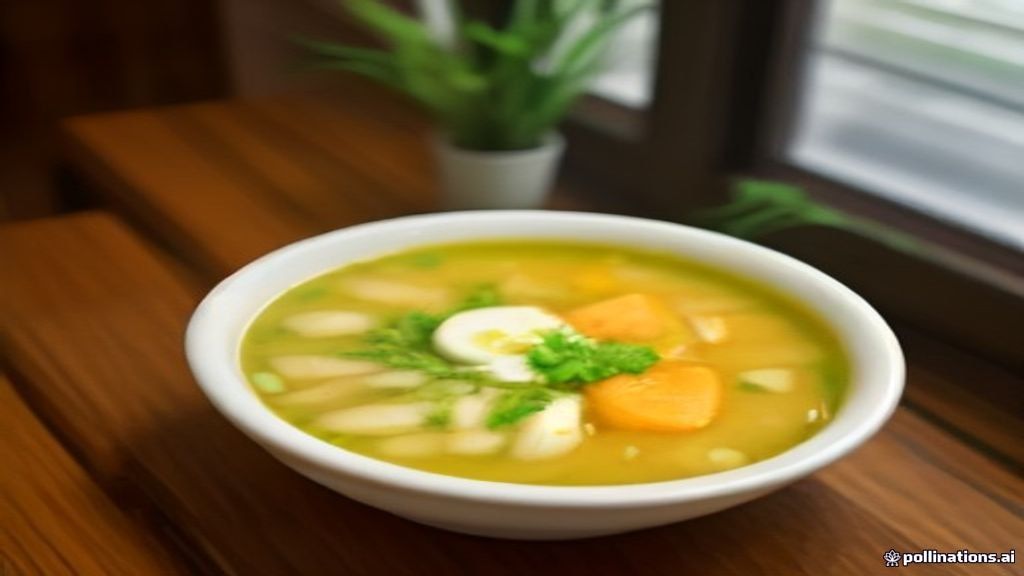
- Mackerel: High fat content, assertive flavor, releases savory oils into the broth, maintains chew.
- Snapper: Lean white meat, subtle sweetness, preserves soup clarity, requires gentle poaching to avoid overcooking.
Common Mistakes When Selecting Fish for Clear Indonesian Soups
One classic trap home cooks fall into is buying fish based purely on what looks freshest in the display case, without considering its fat profile. A thick, oily salmon fillet might look gorgeous at the market, but dropping it into a delicate ginger broth results in an oily slick that overpowers the dish entirely. Sop ikan batam relies on an intentional balance of sharpness, sweetness, and warmth. When you choose a fish that is too oily, you mask the nuanced aromatics of the fried garlic and scallions.
Another frequent misstep involves skin preparation. Leaving dark skin intact on strong-flavored fish without blanching it first introduces a bitter, muddy undertone to an otherwise pristine broth. When I first attempted making this regional delicacy at home, I skipped the quick hot-water rinse for my mackerel chunks. The soup turned unpleasantly murky, losing the brilliant clarity that defines a proper bowl served across local eateries near city walk batam.
Getting this right requires paying close attention to freshness indicators beyond just clear eyes. Smell the flesh near the backbone; if it carries a heavy, ammonia-like tang, no amount of white pepper or bird’s eye chilies will save your broth. Practitioners recommend sourcing fish that smells strictly of the open ocean. If you want to connect with local culinary entrepreneurs who source their catches daily, you can explore insights shared by the Batam Business Community to understand regional supply chains better. Feel free to reach out via their WhatsApp contact to discuss sourcing tips, or visit Batambisnis.com for more culinary trade guides.
Mastering the broth temperature makes a massive difference when you finally drop your fish pieces into the bowl. Home cooks often make the mistake of boiling the fish vigorously in the soup base, which causes delicate snapper or mackerel to disintegrate into unappealing flakes. Instead, practitioners recommend bringing your aromatic broth to a rolling boil, adding the fish, and immediately cutting the heat down to a gentle simmer.
Let’s look at a practical scenario you might encounter on a busy weeknight. If you are prepping fresh mackerel, searing the chunks lightly in a pan with a touch of sesame oil before submerging them locks in the rich fats. Meanwhile, if you are working with clean, delicate snapper fillets, skip the sear entirely. Drop the raw snapper straight into the simmering pot for exactly two minutes before turning off the stove. The residual heat cooks the fish through without ruining its flaky, tender texture.
Serving style matters just as much as cooking technique. Traditional spots keep the fried garlic, chopped scallions, and bird’s eye chilies in separate small dishes on the table. Diners customize their bowls at the last second, preserving the crisp texture of the garnishes. If you toss everything into a giant stockpot ahead of time, the herbs get soggy and turn the broth murky. Keep your components separate, taste your soup frequently for salt and white pepper balance, and you will capture the authentic essence of a true coastal recipe.
Frequently Asked Questions about sop ikan batam
What is sop ikan batam?
Sop ikan batam is a popular Indonesian clear fish soup originating from Batam island. It features a clean, savory broth flavored with fried garlic, salted mustard greens, tomatoes, and sliced scallions. The dish stands out because practitioners serve the bird’s eye chili paste on the side rather than blending it into the soup base.
How do you keep fish from falling apart in clear soups?
You need to control your pot temperature carefully. Add your fish chunks only after the broth reaches a gentle simmer, and turn off the heat shortly after. Lean fish like snapper requires barely two minutes of cooking time in hot liquid before it breaks apart.
Is mackerel better than snapper for sop ikan batam?
Neither fish is objectively better, as they serve different culinary preferences. Mackerel brings a rich oiliness and robust flavor that stands up to heavy seasoning. Snapper provides a clean, mild taste and delicate flake that keeps the broth crystal clear.
What makes the broth of sop ikan batam so clear?
The clarity comes from parboiling or rinsing strong-flavored fish and using a rapid boil for the initial bone-based stock, followed by straining through fine cheesecloth. Cooks also avoid adding dark-fleshed fish skins directly into the final serving broth to prevent muddy discoloration.
Also Read: 3 Peluang Bisnis Gas Elpiji 3 Kg Yang Bisa Geluti
Can I freeze leftover sop ikan batam broth?
You can freeze the plain broth base for up to two months in an airtight container. However, do not freeze the soup once the fish has been added, as thawed fish turns spongy and releases unwanted moisture into your clear broth.
What garnishes are essential for authentic sop ikan batam?
An authentic bowl requires generous heaps of golden fried garlic, freshly chopped scallions, and salted green mustard chunks. Fresh bird’s eye chili slices mixed with sweet soy sauce serve as the mandatory dipping condiment on the side.
Common Mistakes to Avoid
Cooking a traditional bowl of sop ikan batam looks deceptively simple on paper. You boil fish bones, slice up fresh fillets, and pour a clean, gingery broth over the top. Yet, a surprising number of home cooks end up with a cloudy soup or a fishy aftertaste that ruins the entire dining experience. Let us look at what usually goes wrong in the kitchen.
-
Skipping the fish bone blanching step: Many beginners toss raw fish bones straight into a boiling pot to save time. This mistake releases trapped blood and impurities directly into your liquid, making the soup cloudy and bitter. The correct approach requires you to quickly blanch bones in boiling water for one minute, rinse them thoroughly under cold running water, and only then start your actual broth.
-
Overcooking the delicate fish slices: Snapper and mackerel cook in a matter of seconds once they hit hot liquid. Leaving them to simmer away on the stove turns the meat into dry, stringy flakes that dissolve into the bowl. Instead, place raw fish slices directly into your serving bowl and ladle the boiling-hot broth right over them just before serving.
-
Using store-bought pre-minced garlic for the topping: Golden fried garlic provides that nutty, aromatic crunch that defines authentic sop ikan batam. Pre-packaged jarred garlic contains preservatives and moisture that prevent it from crisping up properly. Slice fresh cloves by hand and fry them slowly in neutral oil over medium-low heat until golden brown.
-
Overloading the broth with strong ginger: Ginger acts as a wonderful neutralizing agent for fish odors, but too much of it completely overpowers the subtle sweetness of snapper. Practitioners recommend using bruised fresh ginger slices only during the initial stock simmering phase, removing them before final assembly to keep the broth balanced.
Advanced Tips From Practitioners
Mastering this dish takes more than following a basic recipe card. Professional cooks who run busy seaside kitchens rely on specific habits that elevate a simple fish soup into something unforgettable.
Try the double-strain method if you want absolute glass-like clarity in your sop ikan batam. Pour your initial fish bone stock through a coarse metal mesh first to catch large chunks, and then pass it a second time through dampened cheesecloth. This catches microscopic fat globules that normally dull the appearance of the broth.
Temperature management during assembly matters just as much as cooking time. Warm your ceramic serving bowls with hot tap water before adding the fish and broth. Cold bowls instantly drop the temperature of the soup, preventing the fish from cooking evenly through the residual heat of the liquid.
Sourcing quality ingredients can sometimes feel overwhelming, especially if you are trying to replicate authentic flavors outside of maritime Southeast Asia. Local culinary entrepreneurs often connect through the Batam Business Community to share sourcing secrets, regional spice suppliers, and traditional cooking techniques. If you want to connect directly with regional culinary experts to refine your recipe further, you can easily chat now via WhatsApp for personalized guidance and business networking insights.
Balancing the acidity at the very end of cooking transforms the flavor profile. While traditional tables always feature bird’s eye chilies in soy sauce, adding just a tiny splash of calamansi lime juice right into the broth bowl just before serving makes the natural sweetness of the seafood pop.
References & Sources
Watch the Related Video
Do Not Miss! Watch the Video Above and Learn More.
Click Here for More Information

A Blogger, Writer, and Digital Marketing Specialist dedicated to helping local SMEs (Small and Medium Enterprises) grow and promote their businesses across Indonesia, Singapore, and Malaysia.
Author: Armein Hutagaol
A Blogger, Writer, and Digital Marketing Specialist dedicated to helping local SMEs (Small and Medium Enterprises) grow and promote their businesses across Indonesia, Singapore, and Malaysia.


