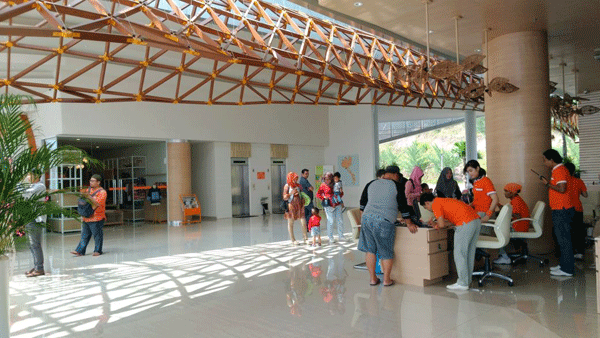
Positioned just a short ferry ride from Singapore, batam riau serves as the bustling industrial and commercial powerhouse of Indonesia’s Riau Islands province, acting as a high-energy contrast to its quieter, resort-heavy neighbors. Choosing where to spend your getaway here usually comes down to whether you prefer neon-lit night markets and efficient business hotels or sprawling, secluded championship golf courses tucked away in private coastal compounds. Visitors frequently misjudge these two destinations because they look identical on a map, yet they cater to entirely different travel philosophies in practice.



Generally, first-time travelers are shocked to learn that Batam handles over half of all foreign tourist arrivals into the Riau Islands, despite occupying a fraction of the serene, resort-dominated coastline found on Bintan. This massive foot traffic shapes everything from local transit options to how quickly restaurants adapt to digital payments. When I talk to entrepreneurs through the Batam Business Community, they often emphasize that understanding this operational pulse changes how you experience the region entirely.
Batam Riau: Definition, Island Characteristics, and Regional Context
To grasp what batam riau truly offers, you have to look past the standard tourism brochures and examine its dual identity as both a duty-free zone and a manufacturing hub. The island features dense urban centers like Nagoya Hill and Batam Center, where multi-story shopping malls sit shoulder-to-shoulder with bustling local seafood kelongs. This urban density matters because it gives you absolute freedom of movement. You aren’t trapped inside a single resort perimeter, meaning you can easily sample street food one minute and hail a ride to a rooftop lounge the next.
Additional Information

Why this matters to the average visitor is simple: flexibility dictates your daily budget and schedule. If you get tired of one neighborhood, a ten-minute ride brings you to an entirely different vibe, whether that is a quiet waterfront temple or a sprawling night market. In practice, this feels less like a remote tropical escape and more like visiting a dynamic, sun-soaked metropolis with a coastline attached. For instance, staying near Grand Batam Mall places you within walking distance of hundreds of local eateries, spas, and electronic stores, eliminating the need for expensive private car charters.
Managing this kind of multi-faceted destination often requires a bit of digital organization, especially when coordinating travel logistics or managing local supplier contacts. Practitioners working across the Malacca Strait frequently streamline their client communications using a reliable setup like CustomGPT to handle multilingual inquiries on the fly. That kind of efficiency keeps your trip moving smoothly, whether you’re managing remote business operations or just planning a weekend island itinerary.
Batam vs Bintan Travel Styles: Which Island Fits Your Personality?
Matching your personal travel rhythm to the right island prevents the classic mistake of booking a high-energy city hotel when you actually wanted a silent beach hammock. Batam suits the curious explorer who thrives on sensory input, local culinary discoveries, and rapid urban transit. Bintan, by contrast, caters directly to the traveler seeking privacy, wellness retreats, and immaculate white sand stretches managed entirely by international hospitality brands. Recognizing this divide early saves you from the frustration of a mismatched hotel booking.
This distinction matters because changing islands mid-trip costs both precious time and ferry fees, making your initial choice critical. If your ideal vacation involves hopping between cafes, getting an affordable massage every afternoon, and bargaining for local textiles, Batam delivers effortlessly. On the flip side, picture a family celebrating an anniversary where the main goal is uninterrupted sleep and swimming pools with ocean views; in that scenario, the Lagoi Bay area in Bintan becomes the obvious winner. A mistake I made early on was trying to squeeze both experiences into a single weekend, which mostly resulted in spending half my holiday sitting in ferry terminals.
To make this concrete, imagine two distinct weekenders arriving on the same Friday morning ferry from Singapore. Traveler A takes a five-minute taxi to a modern high-rise hotel, drops their bags, and walks straight into a bustling coffee shop to map out a street food tour. Traveler B boards a private resort shuttle that drives an hour north past pristine rainforests directly to a gated beachfront villa where they won’t leave the property until Sunday afternoon. Your personality determines which of those two arrivals sounds like heaven.
Cost of Living and Travel Budgets: Comparing Expenses on Both Islands
Your wallet feels the difference between these two Riau destinations immediately upon arrival. Batam operates as a bustling industrial hub and a domestic shopping destination, meaning pricing is anchored to what local residents and regional weekenders consider fair. Street food, local coffee shops, and mid-range hotels offer exceptional value because competition is fierce. You can easily secure a clean, modern room in downtown Nagoya Hill for a fraction of what you would pay for a standard room five minutes down the road in Singapore.
Bintan flips that financial equation entirely, particularly if you book a stay within the dedicated resort enclaves. Those gated beachfront properties function as self-contained bubbles where dining, spa treatments, and activities are priced in resort-level currencies designed to match international holiday budgets. If you wander outside those resort walls into local villages like Tanjung Uban, prices drop dramatically. But doing so requires factoring in the extra cost of transport since public transit options are sparse.
When I advise entrepreneurs who are planning a working holiday or a team retreat in batam riau, I always break down the math carefully. Navigating daily expenses requires a realistic view of how you plan to move around. Relying on ridesharing apps works wonderfully in urban districts, whereas Bintan demands pre-arranged hotel transfers or car rentals that can quietly double your daily out-of-pocket costs.
For those looking to network or explore commercial opportunities during their stay, connecting with local professionals can open doors to better pricing and insider spots. You can reach out directly to the Batam Business Community to get boots-on-the-ground insights before you travel, or send a quick message via WhatsApp at 628136341405 (chat now) to discuss local arrangements.
Common Island-Hopping Mistakes and How to Avoid Them
Ambition sinks many well-planned Riau getaways. Travelers frequently assume that because Batam and Bintan sit relatively close on a map, visiting both in a single weekend is a casual afternoon affair. In reality, crossing between the islands involves timing ferry schedules, clearing port security twice, and enduring bumpy road transfers that eat up valuable leisure hours. A mistake I made early on was booking a split stay without checking the exact distance between the departure ferry terminal and my next hotel, leaving me stranded in midday traffic.
Another classic blunder is underestimating how quickly your ground transit costs add up. While local rides are cheap, haphazardly jumping into unlicensed taxis outside major shopping malls often leads to inflated tourist pricing. Smart visitors lock in their batam transport arrangements ahead of time through hotel concourses or trusted local apps, avoiding the stressful negotiation dance at the curb. Logistics matter more than scenery when you are working on a tight weekend schedule.
Misunderstanding business infrastructure also catches working travelers off guard. If you need to host a client or run a workshop, you cannot simply assume every hotel lobby has a quiet environment. Organizing a professional session requires booking a dedicated meeting room batam well in advance to ensure stable internet and adequate seating. Spontaneity is wonderful for finding street food, but it is a recipe for disaster when it comes to regional logistics.
Also Read: Starbucks Fanindo Batam: Tempat Nongkrong Favorit dengan Fasilitas Drive-Thru Kekinian
- Never schedule an inter-island ferry on the same day you have a strict meeting or a flight home.
- Always confirm whether your resort includes terminal transfers in the room rate to avoid surprise fees.
- Keep some local cash handy for small port taxes and roadside vendors who do not accept digital cards.
Making your final decision between these two Riau destinations really comes down to what you want out of your downtime. When I take a quick weekend trip, I usually ask myself a simple question: do I want to hustle or do I want to unplug? If your ideal Friday night involves checking out a rooftop lounge, browsing a massive air-conditioned mall, and trying a new seafood restaurant every single evening, then setting your sights on batam riau is the obvious choice. The energy here is infectious, fast-paced, and built for people who want options.
On the flip side, if your soul is begging for quiet mornings by the pool, ocean views from your balcony, and zero urgent notifications, Bintan’s resort enclaves will serve you much better. You have to be honest with yourself about your travel personality. There is nothing worse than booking a secluded, high-end beach villa only to realize by day two that you are itching for city lights and street food. Conversely, staying right in the middle of a bustling commercial district when you desperately need silence will leave you more exhausted than when you left home.
If you need extra guidance on setting up a corporate retreat or arranging local logistics, feel free to reach out to the team at the Batam Business Community via WhatsApp. You can also explore Batam Business Community for similar services and regional insights.
Frequently Asked Questions about Batam and Bintan
What is the main difference between Batam and Bintan?
Batam functions primarily as a bustling industrial, commercial, and urban hub known for shopping, vibrant nightlife, and great local seafood. Bintan operates more like a relaxed resort destination famous for its sprawling coastal golf courses, luxury beachfront properties, and quiet nature retreats.
How do you get from Singapore to Batam or Bintan?
Both islands are easily accessible via high-speed regular ferries departing daily from Tanah Merah Ferry Terminal in Singapore. The boat ride to Batam takes roughly forty-five to sixty minutes depending on which terminal you dock at, while the crossing to Bintan usually takes around an hour to an hour and fifteen minutes.
Is Batam better than Bintan for shopping and dining?
Batam significantly outperforms Bintan when it comes to retail variety and culinary options. You will find massive shopping malls, sprawling night markets, and authentic seafood kelongs serving fresh catches at much more budget-friendly prices than what you typically encounter inside Bintan’s self-contained resort zones.
How many days should you spend in batam riau?
A standard two-day weekend trip is usually plenty of time to enjoy the highlights of batam riau without feeling rushed. If you are mixing remote work with sightseeing, practitioners recommend extending your stay to four or five days to comfortably balance laptop hours with exploring the local café scene.
Do you need a visa to visit Batam and Bintan?
Visa requirements depend heavily on your passport nationality, as Indonesia offers visa-free entry or Visa on Arrival (VoA) options for many countries. Always check the current immigration guidelines right before your departure date to avoid unexpected border issues at the ferry terminal.
Which island is better for a family vacation with young kids?
Bintan generally suits families with small children better because of its self-contained resorts, calm beaches, and kid-friendly activities like swimming pools and outdoor play areas. Batam can feel a bit overwhelming for toddlers due to heavy traffic and sprawling urban streets, though older kids usually enjoy the water parks and go-kart tracks.
Common Mistakes to Avoid
Planning a quick getaway across the strait seems straightforward until reality hits the ferry terminal. Many seasoned travelers trip up simply because they assume neighboring islands operate under the exact same rhythm. Let us look at what usually goes wrong and how to fix it before you step foot on any ferry.
- Relying entirely on credit cards for everything: While big hotels and malls in Batam riau happily accept plastic, small family-run seafood shacks, street vendors, and local transport drivers rely heavily on Indonesian Rupiah cash. Running out of cash in a side alley creates a stressful scramble. What to do instead: Always keep a few hundred thousand rupiah in small notes tucked into your day bag before heading out to explore local neighborhoods.
- Booking accommodation on the wrong side of the island: Picking a random hotel just because the photos look nice often backfires. If you want a peaceful beach holiday, staying right in the bustling downtown core of Nagoya will leave you surrounded by traffic noise instead of ocean waves. What to do instead: Map out your main daily activities first, then pick a base that cuts down your transit time.
- Skipping local transport apps: Flagging down random street taxis without checking fares usually leads to overpaying. Drivers hate arguing over meters, and visitors hate feeling scammed. What to do instead: Download reliable ride-hailing applications like Gojek or Grab onto your phone while connected to your home Wi-Fi. It makes getting around transparent and completely hassle-free.
Advanced Tips From Practitioners
Most travel blogs will tell you to visit the famous temples and eat local seafood, but veteran travelers know the real magic happens off the beaten path. If you are looking to dig a bit deeper into the economic and cultural heartbeat of batam riau, you need a different playbook.
Networking and entrepreneurial exploration have quietly turned these islands into a hub for digital nomads and cross-border founders. If you want to connect with local innovators or set up a scouting trip for your next venture, you shouldn’t rely on random Google searches. Reach out to the folks at the Batam Business Community to get real insights on regional trade and local networking events. You can easily reach their team directly via chat now to ask about upcoming meetups or co-working spaces.
Another insider trick involves timing your ferry bookings around Singapore’s public holidays. Booking your tickets a week in advance saves you from massive queues and sold-out slots on Friday evenings. Pack light, keep your digital documents handy, and enjoy the slower pace of island life.
References & Sources
Watch the Related Video
Do Not Miss! Watch the Video Above and Learn More.
Click Here for More Information

A Blogger, Writer, and Digital Marketing Specialist dedicated to helping local SMEs (Small and Medium Enterprises) grow and promote their businesses across Indonesia, Singapore, and Malaysia.
Author: Armein Hutagaol
A Blogger, Writer, and Digital Marketing Specialist dedicated to helping local SMEs (Small and Medium Enterprises) grow and promote their businesses across Indonesia, Singapore, and Malaysia.