Operating as a traditional stilt-house fishing platform and rustic offshore retreat, a kelong baba batam getaway offers travelers an authentic off-grid experience over the open sea, combining casual hook-and-line fishing with fresh seafood meals away from city crowds. Reaching these remote wooden platforms requires coordinating international ferry schedules, private local water taxis, and precise tidal windows that dictate when boats can safely approach the shallow reefs.

Let’s be completely honest right from the start: planning a trip here is genuinely not easy. Between coordinating cross-border ferry timetables, securing direct local boat charters, and managing zero-frills amenities, things rarely go exactly according to plan. That messy, unpredictable reality is precisely why this guide exists.
Kelong Baba Batam: Definition, Historical Roots, and How Modern Stays Work
Historically, a kelong was built as a stationary offshore wooden platform designed exclusively for commercial trap-fishing in the Malacca Straits and surrounding Riau waters. Over time, savvy local families recognized that anglers wanted a place to sleep after a long night of catching squid, which naturally gave birth to the modern recreational platform concept. Today, visiting a kelong baba batam means stepping onto a stilt-supported wooden structure where you can fish directly through floor slats, eat catch-of-the-day seafood, and disconnect from digital life entirely.
Additional Information
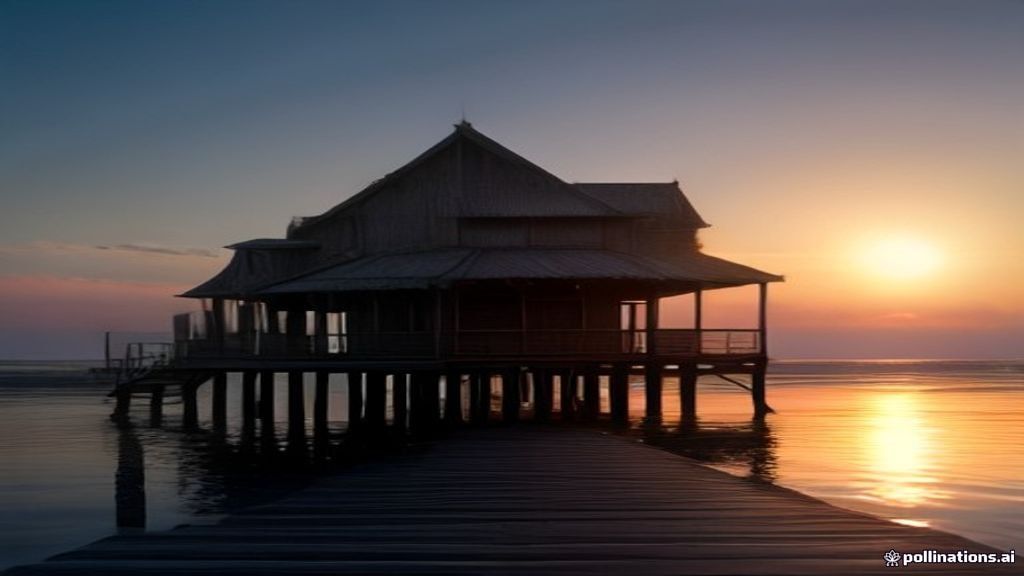
Understanding this evolution matters because it shifts your expectations away from a standard resort stay toward something much more rustic. If you expect air-conditioned luxury or spotless marble bathrooms over the ocean, you will leave disappointed. Instead, practitioners recommend viewing these stays as an authentic cultural immersion into regional maritime heritage. When I took my first trip out to a local platform, I quickly learned that luxury takes a backseat to the sheer joy of pulling a fresh grouper straight out of the water at dawn.
Picture this scenario: you arrive with a sleek rolling suitcase, only to realize you must transfer it onto a swaying wooden dingoy in choppy water while balancing your fishing rods. That exact moment catches many unprepared travelers off guard. By knowing what these platforms actually are—working fishing stations adapted for overnight guests—you trade false comfort for genuine adventure.
Current Costs Breakdown: Ferry, Stay, Meals, and Hidden Expenses to Anticipate
Calculating the true price tag of a floating platform trip involves stacking several separate line items that rarely appear on a single booking page. You must budget for the international ferry from Singapore to Batam Center, local land transport to a remote coastal jetty, and a chartered wooden pom-pom boat to reach the actual structure. Most stays package three home-cooked seafood meals into the nightly rate, but purchasing extra bait, rented fishing gear, and cold drinks will always add to your final out-of-pocket expenses.
Keeping a tight grip on these expenses matters because hidden logistical costs can easily double your initial budget if you aren’t careful. For instance, if you miss the scheduled public ferry or fail to pre-arrange a reliable local driver, you might find yourself paying steep last-minute surcharges for private transport. Experienced travelers at the Batam Business Community often share spreadsheets to help newcomers track these fluctuating logistics accurately.
Think about a weekend getaway where a group of four friends books a stay assuming everything is covered under a flat package fee. In practice, they often forget to budget for local boat tipping, fresh ice for coolers, and specialized live bait sold by local fishermen passing by. When you map out these expenses beforehand, your wallet won’t suffer any sudden shocks once you are miles offshore with no ATM in sight.
Transportation Guide: How to Get from Singapore or Batam Center Straight to the Kelong
Reaching your destination requires coordinating three distinct phases of travel that rarely sync up automatically. You will first board a high-speed passenger ferry from Tanah Merah Terminal in Singapore across the Singapore Strait to Batam Center. Once you clear Indonesian immigration, a pre-arranged land driver must pick you up to navigate local traffic toward the eastern coast. This is the exact moment when geographical familiarity matters tremendously because these rustic platforms are often clustered near remote fishing villages rather than bustling tourist hubs.
Driving out toward the coastal departure points usually takes you past the developing residential zones of kecamatan nongsa, where paved highways gradually transform into narrow, bumpy dirt tracks. Why does this route detail matter so much for your weekend? If your driver doesn’t know the exact local pier, you can easily waste an hour searching for the wooden jetty while your chartered pom-pom boat captain waits anxiously in the dark. Experienced anglers always advise coordinating your land transfer directly with the caretaker rather than hailing a random taxi at the ferry terminal. For instant updates on local road closures or reliable private drivers, you can connect with local coordinators via chat now for real-time logistics support.
Consider the common scenario of a family arriving on the late afternoon ferry from Singapore. They assume they can grab a roadside snack and casually find a boatman at sunset. In reality, local wooden boats lack navigation lights, and most captains refuse to navigate the choppy straits after dark for safety reasons. Planning your arrival window around daylight hours ensures a smooth transition from land to sea without frantic phone calls.
What to Expect on Site: Accommodation Standards, Amenities, and Realistic Limitations
Stepping onto a traditional wooden structure floating miles out at sea demands a complete reset of your daily comfort expectations. You are trading air-conditioned hotel suites for breezy, open-air bunk rooms built directly on top of sturdier mangrove pilings or steel drums. Electricity often runs on diesel generators that hum softly in the background and usually shut down during the deep hours of the night. Understanding these physical limitations ahead of time prevents disappointment and lets you appreciate the rustic charm of a genuine kelong baba batam escape.
Also Read: Peluang Bisnis Warung Kopi
Basic amenities typically include shared bathroom facilities with salt-water flush systems and bucket showers rather than high-pressure hot water heaters. Why is this setup standard practice? Fresh water is a precious, finite commodity hauled out by boat in large plastic drums, meaning conservation isn’t just encouraged—it is mandatory for survival. When planning your packing list, swap your usual city toiletries for biodegradable soap and reef-safe products that won’t harm the delicate marine ecosystem surrounding the platform.
- Bring your own portable power banks since generator power might be switched off overnight.
- Pack light clothing that dries quickly in the humid sea breeze.
- Keep your electronics stored inside dry bags to protect them from sudden ocean spray.
- Bring cash in Indonesian Rupiah for all minor purchases since mobile signal can be spotty.
Picture a traveler who packs a heavy hair dryer and an electric shaver expecting modern hotel outlets, only to discover the solar-inverter system cannot handle high-wattage appliances. Knowing the electrical limitations beforehand keeps your devices charged and your sanity intact. For more insider packing lists curated by frequent visitors, check out the community resources at Batam Business Community.
Frequently Asked Questions about Kelong Baba Batam
What is a kelong baba batam and how does it differ from a standard resort?
A kelong baba batam is a traditional offshore wooden fishing platform adapted for recreational overnight stays, angling, and seafood dining. Unlike standard beachside resorts on mainland Batam that offer concrete rooms, air conditioning, and swimming pools, a kelong sits directly on stilts over the open sea. You trade modern hotel luxuries for an authentic maritime lifestyle, panoramic ocean views, and immediate access to some of the best saltwater fishing spots in the Riau Islands.
How do you book a stay at a kelong baba batam?
Booking a trip requires contacting the kelong operators directly via phone, messaging apps, or through local tourism groups like the Batam Business Community. Most platforms do not use automated global booking engines because schedules depend heavily on weather conditions, tide charts, and private boat charters. Practitioners recommend confirming your total headcount, meal preferences, and pickup jetty at least two weeks in advance to secure your spot.
Is a kelong baba batam trip suitable for families with young children?
Bringing young children requires careful supervision due to the open-water environment and lack of safety railings found on modern balconies. If your kids love marine life, tide-pooling, and simple outdoor adventures, they will likely have an unforgettable time watching fish swim right beneath the floorboards. However, toddlers who need constant attention or individuals prone to severe seasickness might find the rustic, swaying platform challenging.
How much cash should I bring for a weekend on a kelong?
You need to bring enough Indonesian Rupiah in physical cash to cover your ferry tickets, land transport, extra seafood purchases, and tipping for the boat captains. Most kelong platforms operate off the grid without Wi-Fi or card payment terminals, meaning digital wallets simply will not work once you leave the mainland. Experienced travelers generally carry extra cash tucked securely in a waterproof pouch to handle any unexpected logistical shifts.
Is seafood included in the standard room rate?
Most overnight packages cover three home-cooked, seafood-heavy meals per day prepared fresh by the resident cooks. You can expect plenty of locally caught fish, squid, and prawns seasoned simply with traditional Indonesian spices. If you catch your own fish off the deck, the kitchen staff will usually be happy to grill or steam your catch for dinner.
What happens if bad weather hits during your kelong stay?
Tropical squalls and sudden monsoonal downpours are a normal part of visiting a kelong baba batam, often bringing dramatic skies and cooler air. Boat captains monitor marine forecasts closely and will delay or postpone ferry departures if sea conditions become unsafe for travel. If a storm strands you on the platform an extra night, operators typically provide shelter and basic meals, though you should always pack extra medication and emergency snacks just in case.
Planning your offshore adventure becomes much simpler when you connect with local operators who know the waters inside out. Contact Batam Business Community via WhatsApp for more information. Visit Batam Business Community for similar services.
Common Mistakes to Avoid
Stepping onto an offshore platform for the first time brings a wave of excitement, but it also invites a few classic rookie errors. Let’s save you some trouble.
Packing regular rolling luggage sounds harmless until you try hoisting it off a bobbing wooden bumboat onto a slippery metal ladder. Many first-timers ruin their trip by bringing heavy suitcases that simply cannot handle marine transfers. Instead, pack everything into a sturdy, water-resistant backpack that leaves both of your hands completely free for climbing.
Another frequent slip-up involves underestimating the tropical sun glare bouncing off the open sea. Slathering on regular city sunscreen once a day won’t cut it when you are surrounded by water on all sides. Bring a high-SPF reef-safe sport formula, reapply every two hours, and throw in a wide-brimmed hat.
Many visitors also forget that most traditional kelongs operate entirely on cash transactions for extra drinks, snacks, or tackle rentals. Relying on digital payments or expecting an ATM in the middle of the ocean will leave you high and dry. Keep enough Indonesian Rupiah in small denominations tucked safely in a ziplock bag before you leave the main island.
Finally, do not assume mobile data works seamlessly far out at sea. Signal drops happen frequently once you move past the coastline. Download your offline maps, favorite playlists, and digital boarding passes ahead of time so you aren’t staring blankly at a spinning loading wheel.
Advanced Tips From Practitioners
Experienced anglers and frequent offshore travelers know that booking a trip to a kelong baba batam requires a bit more strategy than a standard resort stay. Veteran visitors always coordinate their tides and moon phases with the platform operators before locking in dates. Fish activity peaks significantly during specific tidal movements, meaning your dinner plate might look a lot fuller if you plan your stay around these natural rhythms.
Bring your own specialized terminal tackle if you are serious about landing bigger catches off the deck. While basic bamboo poles and simple bait are usually provided on-site, having your own braided line, fluorocarbon leaders, and specific weighted hooks makes a massive difference when battling territorial reef fish.
Managing your electronics humidity exposure is another insider secret worth knowing. Salt spray combined with high humidity acts as a silent killer for camera lenses and portable chargers. Experienced travelers pack silica gel packets right inside their camera bags and store sensitive gear in airtight dry bags whenever they aren’t actively shooting or filming.
If you want to secure the best sleeping quarters—usually the corner rooms that catch the cross breeze—reach out to operators well ahead of the weekend rush. Connecting directly with the Batam Business Community via WhatsApp at [https://wa.me/628136341405](https://wa.me/628136341405) helps you bypass generic booking confusion and secure prime spots. You can chat now to clarify logistics, boat departure times, and dietary requests tailored to your group. For more ideas and regional travel updates, take a look at the resources available on [Batam Business Community](https://www.batambisnis.com) before packing your bags.
References & Sources
Watch the Related Video
Do Not Miss! Watch the Video Above and Learn More.
Click Here for More Information

A Blogger, Writer, and Digital Marketing Specialist dedicated to helping local SMEs (Small and Medium Enterprises) grow and promote their businesses across Indonesia, Singapore, and Malaysia.
Author: Armein Hutagaol
A Blogger, Writer, and Digital Marketing Specialist dedicated to helping local SMEs (Small and Medium Enterprises) grow and promote their businesses across Indonesia, Singapore, and Malaysia.