Serving as a prominent commercial anchor in Riau Islands, Batam City Square functions as a vibrant multi-level retail and lifestyle complex that brings together local entrepreneurs, dining establishments, and everyday shoppers under one roof. Property buyers and business owners frequently analyze this bustling hub to gauge consumer spending trends and retail foot traffic patterns across the broader Riau Archipelago. Based on field observations from the Batam Business Community, understanding this commercial center requires looking far beyond standard lease agreements and foot traffic metrics.



Imagine walking through the bustling ground floor of a major regional mall on a rainy Saturday afternoon, watching families crowd around food stalls while storefronts enjoy steady queues of eager buyers. You assume that owning a retail space here is a guaranteed path to steady passive income, purely because the crowd looks dense and the lights are bright. Yet, when you actually review the operational overhead, shifting tenant preferences, and hidden zoning nuances, the reality looks completely different. Most incoming capital gets tied up in the wrong corridors because investors evaluate the building like a standard Western shopping center instead of a dynamic Southeast Asian trading post.
Batam City Square: Definition, Location, and Core Offerings
Operating strategically along major transit arteries in the heart of Batam Island, batam city square encompasses a dense concentration of retail shops, entertainment zones, and culinary outlets designed to capture both local residents and regional weekend tourists. The complex bridges the gap between traditional neighborhood markets and modern air-conditioned lifestyle centers, creating a unique micro-economy within the city. Practitioners note that its layout is intentionally porous, allowing pedestrians to flow easily from surrounding residential neighborhoods directly into the central atrium.
Additional Information
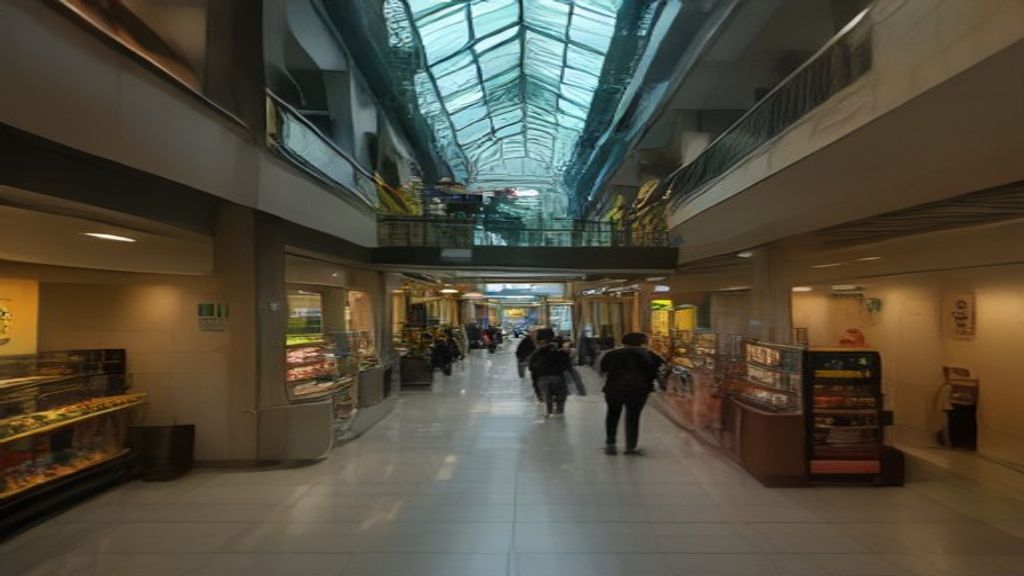
This physical setup matters deeply because retail success in Southeast Asia relies heavily on natural foot traffic friction rather than anchor department stores. When I first walked the perimeter with a local leasing agent, I noticed how small-format kiosks near the primary entrances generated higher daily turnover than massive anchor tenants on the upper floors. Shoppers prefer quick access, high visibility, and immediate proximity to parking or motorcycle bays over wandering through vast indoor corridors. This structural design encourages impulse buying and supports a high rotation of small local brands that adapt quickly to shifting consumer tastes.
Consider the daily rhythm of a clothing retailer operating on the second level near the central escalator. While morning hours remain quiet, the late afternoon brings waves of office workers and families looking for affordable apparel and dining options. Store owners who design their inventory around quick-turnover fashion trends consistently outperform those holding out for high-end luxury buyers. Understanding this operational rhythm stops you from making costly assumptions about where the real retail value lies.
Why Smart Investors Overlook the Real Value of Batam City Square
Experienced institutional buyers often bypass batam city square because traditional financial models fail to capture the informal cash flows and tenant flexibility unique to the local market. Analysts accustomed to rigid quarterly corporate lease reports struggle to price the value of short-term pop-up vendors, community event spaces, and multi-generational family businesses operating inside the facility. This creates a fascinating market inefficiency for nimble operators who know how to read the ground-level data.
Overlooking these nuances usually happens because outsiders rely too heavily on polished architectural brochures rather than spending actual days observing customer habits on-site. In my experience working with the Batam Business Community, the biggest wins come from securing smaller, high-velocity lots rather than flagship corner units that carry bloated asking prices. When you chat with long-term merchants, you quickly realize that gross rental yields tell only half the story. Operational agility and strong community ties dictate whether a retail unit thrives through economic shifts or sits vacant for months.
Picture an investor who purchases a large, premium-priced corner lot expecting steady corporate tenants, only to watch local boutique owners migrate toward more energetic middle-tier corridors. The quiet middle-tier spaces often win because they sit directly in the natural line of sight for shoppers moving between popular food courts and parking exits. Savvy operators bypass vanity spaces and instead target these high-friction zones where daily transaction volume remains remarkably stable. If you want to refine your financial models with advanced data analysis tools, some practitioners even test emerging workflows like CustomGPT to process local regulatory documents and market feedback more efficiently.
Also Read: How Singapore Business Federation Members Scale Across ASEAN Borders
This shift in strategy reveals why Batam City Square isn’t just another retail box; it’s a living ecosystem that rewards local intelligence over blind capital. To truly appreciate its value, we have to look past the surface-level occupancy rates and understand the mechanics of the building itself.
Comparing Batam City Square to Other Regional Retail Hubs: What Sets It Apart
Most investors view shopping centers through a lens of regional homogeneity, assuming all malls function like standard department stores. However, Batam City Square operates differently because it sits at a critical intersection of local lifestyle needs and the bustling logistics of the border economy. While other malls in the region might struggle with empty anchor spaces during economic dips, this location maintains stability by catering to the daily habits of residents rather than just weekend tourists.
The primary difference lies in the permeability of its floor plan. In many high-end malls, the design creates artificial silos that trap foot traffic in specific zones. Here, the layout invites natural movement, allowing small-scale merchants to thrive even in less expensive, non-corner units. When I look at similar hubs, I notice they often lack this organic flow, which forces owners to spend significantly on marketing just to move customers from the ground floor to the upper levels.
Think of a bustling local food court compared to a quiet, high-end cafe. The food court succeeds because it serves a repetitive, high-frequency need. Similarly, units here are often occupied by businesses that support the jastip batam economy—where personal shoppers source goods to fulfill specific orders from across the straits. This constant churn of inventory creates a resilient micro-economy that isn’t easily disrupted by the typical boom-and-bust cycles seen in standard luxury retail.
Common Misconceptions About Batam City Square and How to Avoid Them
Many new investors arrive with the assumption that a ground-floor unit is always the “gold standard.” They treat it like a fixed asset, expecting a premium tenant to sign a long-term lease the moment the keys are in hand. In reality, the best returns often come from understanding the invisible flow of shoppers.
Some investors also misjudge the impact of the jastip batam trend on long-term leasing. They worry that these small, rapid-turnover businesses lack stability compared to established franchises. Yet, in my experience working with the Batam Business Community, these agile operators are often the most consistent rent-payers. They aren’t anchored to one product line; they adapt their inventory based on what is currently trending, ensuring their shop remains relevant.
- Stop chasing “flagship” units that carry high service charges without the foot traffic to justify them.
- Observe the “dead zones” in the early morning versus late evening; sometimes a unit that looks quiet at noon is actually a goldmine for after-work crowds.
- Don’t ignore the importance of secondary entry points; shoppers often take the path of least resistance from the parking garage, not necessarily the main entrance.
- Look for units that allow for easy logistics, especially if you intend to rent to businesses handling high volumes of small parcels.
A common mistake I made early on was prioritizing the facade aesthetics over the internal logistical capability of the unit. I once passed on a mid-tier space because it lacked a prominent storefront, only to realize later that it sat right next to a high-density service elevator used by local courier services. That space stayed occupied throughout every market fluctuation, while my “pretty” storefront sat empty for six months because it was too far from the main shopper transit lines.
If you are currently evaluating a space, ask yourself: does this unit serve a repeat habit, or does it rely on a one-time “wow” factor? The former almost always wins in the long run. If you find yourself hitting a wall with these decisions, it helps to compare notes with others who have been on the ground for years. You can reach out to the Batam Business Community at [https://www.batambisnis.com](https://www.batambisnis.com) or [chat with us here](https://wa.me/628136341405) to see what others are currently observing in the market. It is often the small, counter-intuitive data points—like which elevators see the most use—that define the success of an asset in Batam City Square.
Frequently Asked Questions about Batam City Square
What is Batam City Square and why is it a unique commercial hub?
Batam City Square, often locally known as BCS Mall, is a multi-level retail and commercial center strategically positioned in the heart of Batam Island, Indonesia. Unlike traditional single-purpose shopping complexes, it functions as a hybrid ecosystem combining retail outlets, entertainment zones, and high-density service spaces. Practitioners value it because it consistently captures diverse foot traffic from both local residents and regional visitors.
How do you evaluate the long-term rental yield of a commercial unit in Batam City Square?
You assess yield by looking past the flashy main entrance and studying the property’s proximity to essential foot traffic drivers like escalators, cargo elevators, and anchor supermarkets. Units positioned along natural pedestrian shortcuts generally command stable occupancy rates even during broader economic downturns. Experienced operators advise cross-referencing asking prices with actual historical lease renewals rather than relying solely on projected developer yields.
Is investing in Batam City Square better than buying property in newer standalone malls?
Older, established hubs like Batam City Square usually offer proven foot traffic patterns and lower relative entry costs compared to brand-new, unproven developments. Newer malls might boast modern facades, but they often struggle with long-term tenant retention during their initial years. Seasoned investors typically favor the predictable consumer habits built around BCS over the speculative hype of shiny new alternatives.
How can foreign investors navigate property leasing rules near Batam City Square?
Foreign nationals generally cannot hold absolute freehold land titles in Indonesia, meaning purchases typically involve strata-title leases or corporate ownership structures. Working with local legal counsel ensures your leasehold agreements comply with prevailing agrarian laws and municipal regulations. Connecting with the Batam Business Community via WhatsApp can also point you toward reliable, vetted local advisors who handle these exact transactions daily.
What are the typical operating costs associated with running a retail space here?
Beyond the base lease or acquisition price, owners must budget for monthly service charges, local utility tariffs, and localized marketing fees managed by the building administration. These shared maintenance costs directly fund security, escalator upkeep, and common area cleanliness, which protect the overall value of your asset. Always request a transparent breakdown of past operational dues before finalizing any purchase or long-term lease contract.
Where can I find reliable networking partners for commercial ventures in Batam?
Local and regional entrepreneurs frequently collaborate through organized peer groups to share on-the-ground intelligence and spot emerging leasing opportunities early. You can explore upcoming networking events and professional resources by visiting the Batam Business Community portal.
Common Mistakes to Avoid
Many investors jump into the market expecting a quick flip, only to find themselves stuck with an asset that doesn’t move. You aren’t just buying square footage; you’re buying into a specific ecosystem.
The biggest mistake? Ignoring the “tenant profile” of the building. Some investors assume any retail space in a prime location will attract high-end fashion boutiques. However, if the floor is already dominated by electronics or local food kiosks, a luxury brand will struggle to find its footing. Always map out your neighbors before signing.
Another trap is neglecting the “fit-out” period. New owners often forget that Batam City Square isn’t a blank slate. You’ll need to account for the time and cost required to align your interior design with building management standards. Failing to budget for these renovations can drain your initial cash reserves before you’ve even opened your doors.
Don’t fly solo on the paperwork. Local property laws have nuances that don’t always appear in standard English-language contracts. Working with a local partner who understands the specific titling process in Batam is essential to avoid ownership disputes later.
Finally, avoid the “passive income” fallacy. Commercial property in a high-traffic area demands active management. If you aren’t checking in on your unit, addressing minor maintenance issues, or engaging with building management, your asset will degrade. You need to be present or have a trusted local eye on the ground. Reach out to the Batam Business Community if you need someone to help you vet these local property managers.
Advanced Tips From Practitioners
If you want to move past the basics, you have to start thinking like a developer. Most people look at the occupancy rate and stop there. The pros look at the “traffic heat map.”
Visit Batam City Square at three different times: a weekday morning, a Friday night, and a Sunday afternoon. Watch where people congregate. Are they walking past your target unit, or are they funneled into a specific food court or anchor store? Understanding the natural flow of human traffic is more valuable than any brochure you’ll receive from a leasing agent.
Another pro move is to negotiate your service charge structure early. While the base rent is often the focus, the monthly service fees are where your margins can get squeezed. Experienced investors often push for a cap on these increases for the first two years of a lease. It creates a predictable cash flow that makes your investment much easier to manage.
Don’t ignore the digital layer. Batam is a tech-forward city. Your physical storefront should be integrated with a digital presence that taps into the local social media scene. Even if you sell physical goods, having a cohesive online strategy helps pull foot traffic into the mall specifically for your unit.
If you’re feeling overwhelmed, you aren’t alone. These commercial nuances are exactly why I recommend connecting with people who do this for a living. You can get advice from others who have gone through this process by messaging the Batam Business Community via WhatsApp here.
Sometimes, a quick chat with someone who has already managed a unit at Batam City Square can save you months of trial and error. It’s a tight-knit circle, and they’re often willing to share how they handled specific tax or zoning questions if you’re genuinely looking to contribute to the local economy.
Keep your eyes open and stay curious. The city is growing fast, and there’s plenty of opportunity for those who actually take the time to learn how the pieces fit together.
References & Sources
Watch the Related Video
Do Not Miss! Watch the Video Above and Learn More.
Click Here for More Information

A Blogger, Writer, and Digital Marketing Specialist dedicated to helping local SMEs (Small and Medium Enterprises) grow and promote their businesses across Indonesia, Singapore, and Malaysia.
Author: Armein Hutagaol
A Blogger, Writer, and Digital Marketing Specialist dedicated to helping local SMEs (Small and Medium Enterprises) grow and promote their businesses across Indonesia, Singapore, and Malaysia.