
Positioned strategically along the eastern coast of Batam Island, batam batu besar represents one of the most compelling long-term land acquisition zones for forward-thinking capital, driven by major arterial expansions and a shifting industrial footprint away from saturated city centers. Rather than offering quick speculative gains, this emerging district rewards patient investors who understand how regional infrastructure corridors unlock raw spatial value over a five-to-ten-year horizon. Practitioners consistently view this corridor not as a suburban afterthought, but as a primary logistical bridge connecting future maritime nodes to the broader regional economy.


Are you tired of chasing overpriced, fully-developed downtown properties where the capital appreciation has already plateaued? If you have spent months scrolling through listings looking for actual upside, you already know that central Nagoya and Batam Center offer diminishing returns for new money. Most retail buyers step into the market at the exact wrong time, paying peak prices for crowded locations while ignoring the quiet corridors where municipal growth vectors are actually pointing. Let’s look past the glossy marketing brochures of downtown condominiums and examine why seasoned capital is quietly moving toward the east.
Batu Besar: Definisi, Posisi Geografis, dan Potensi Utama di Batam
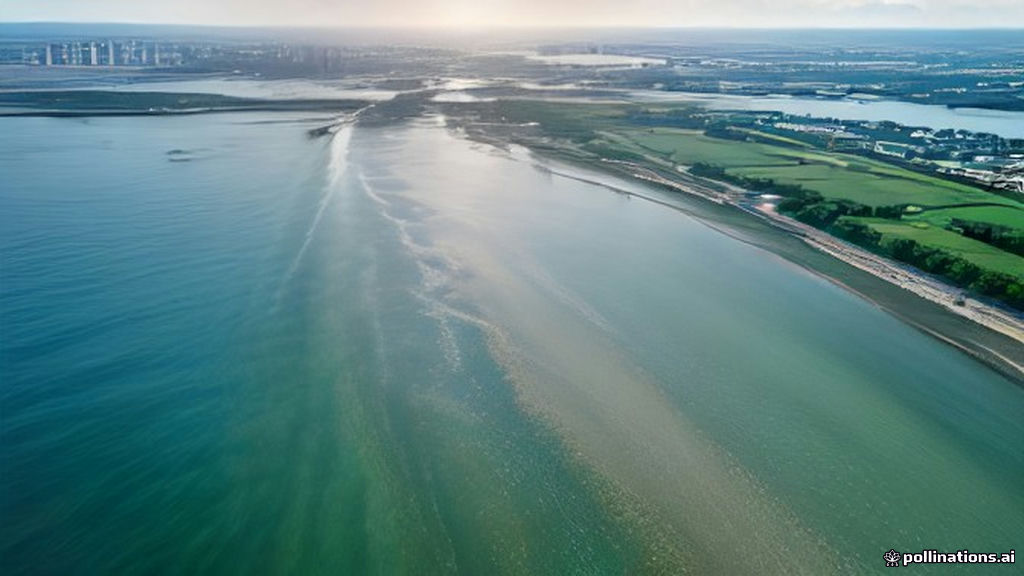
Batu Besar is an expansive coastal and inland administrative kelurahan nestled within the Nongsa district, functioning as a vital eastern gateway on Batam Island. Geographically, it bridges the gap between the heavy technology corridors of Nongsa Digital Park and the bustling commercial arteries heading toward the main airport and downtown. The terrain here mixes undulating secondary land, coastal pockets, and direct frontage along major transit routes, creating diverse zoning possibilities for mixed-use, residential, and light industrial warehousing. In my experience walking these plots, the true strength of batam batu besar lies in its sheer geographical versatility—it sits right in the path of progress without suffering from the congestion choking older districts.
Additional Information
Understanding this spatial dynamic matters because real estate value ultimately boils down to friction and flow. When city centers become congested, commercial logistics and residential demand naturally spill outward along the path of least resistance and best infrastructure. Batu Besar offers the rare combination of affordable land banks and direct connectivity to the VIP airport access roads, making it a prime candidate for decentralization. Imagine a mid-sized logistics firm needing rapid access to both international ferries and cargo hubs; downtown rents will crush their margins, whereas an operational base in the east provides the exact operational breathing room they require.
To put this into perspective, consider a client I advised last year who hesitated between buying a tiny shophouse in a mature downtown block versus securing a much larger tract of vacant land in batam batu besar. The downtown shophouse felt safer because it was busy, but the rental yield was compressed by intense local competition and high initial capital outlay. Meanwhile, the eastern land plot sat quietly while the government upgraded the surrounding road networks. Within eighteen months, adjacent commercial interest spiked, and my client was fielding serious acquisition offers from developers looking to build boutique warehousing compounds. That is the power of buying ahead of the curve rather than chasing yesterday’s hotspot.
Mengapa Batu Besar Menjadi ‘Hidden Gem’ Dibanding Kawasan Pusat Kota
The term ‘hidden gem’ gets thrown around carelessly in real estate, but in this specific region, it accurately describes a profound market mispricing. While retail buyers flock to launch events for downtown high-rises, institutional and veteran local investors quietly acquire acreage where zoning transitions from green to yellow. This quiet accumulation happens because the average buyer cannot visualize what a tract of vacant land will look like once arterial roads are widened and utilities are fully pulled to the perimeter. Practitioners know that true wealth is generated during the accumulation phase, long before the general public recognizes a neighborhood’s lifestyle appeal.
This matters because your entry price dictates your ultimate margin of safety. When you buy at the peak of downtown hype, a minor macroeconomic hiccup can trap your capital for a decade with minimal appreciation. In contrast, acquiring well-documented land in batam batu besar at a reasonable baseline cost protects you from severe downside risk while keeping your exposure aligned with the island’s long-term municipal expansion. Even if market sentiment cools temporarily, holding tangible dirt with solid legal standing costs very little compared to carrying vacant commercial strata titles burdened by monthly maintenance fees.
Picture a seasoned investor evaluating two distinct opportunities side by side on their desk. Option A is a glossy apartment unit in the city center boasting guaranteed rental yields that rely on overly optimistic occupancy assumptions. Option B is a clean, cleared plot of land in batam batu besar with verified clear title (SHW or SHM) and direct access to provincial roadways. When economic shifts occur, the apartment owner panics over tenant turnover and condo fees, while the land owner simply holds a hard asset that cannot be devalued by poor property management. Sometimes, modern digital tools like those found when you explore customgpt.ai/demo/?fpr=jasmine85 can help organize complex property data and zoning notes, but nothing replaces walking the physical boundaries yourself to verify local access routes.
The physical reality of an investment often boils down to how easily you can reach your asset. If you ask any local batam driver, they will tell you that the pulse of the city is shifting toward the eastern corridors. Infrastructure isn’t just about smooth roads; it is about the predictable flow of commerce and labor that eventually drives property demand.
Analisis Infrastruktur: Dampak Konektivitas Terhadap Nilai Properti Jangka Panjang
When roads improve, land values climb in lockstep. Historically, areas that were once considered hinterlands in Batam transformed into bustling residential hubs the moment major arterial roads connected them to the airport or the industrial zones. In my experience, the expansion of provincial road networks toward batam batu besar is the single most reliable indicator of future growth.
Think about the commute. If your property is located near a primary logistics route, its utility changes overnight. It shifts from being a “vacation spot” or a “quiet plot” to a prime candidate for residential development or light warehousing. Every time a new layer of asphalt is laid or a streetlamp is installed, the perceived risk for future buyers drops significantly.
I’ve seen investors wait for the perfect moment, only to realize the “perfect” road was already finished two years prior. By then, the price adjustment has already happened. The key is to identify areas where the municipal budget is currently being spent, not where it has already been exhausted. You aren’t just buying land; you are buying a seat at the table of the island’s inevitable expansion.
Strategi Memilih Lahan di Batu Besar: Pandangan Praktisi untuk Investor
Walking a plot of land is far more revealing than reading a brochure. When I visit a potential acquisition in batam batu besar, the first thing I check is the elevation and natural drainage. A beautiful, flat piece of land is a nightmare if it becomes a pond during the monsoon season. You don’t want your capital sitting underwater.
Beyond the dirt itself, look at the legal horizon. I always insist on verifying the Alas Hak or the underlying land title status with the local land office. In Batam, the transition from Girik or older certificates to clear, transferable SHM (Sertifikat Hak Milik) is a process that rewards patience. Never assume a “clean” oral history is enough; legal documentation is your only real defense.
Here is a simple checklist I use whenever I evaluate a new plot:
- Check for “red-zone” restrictions: Ensure the land isn’t designated as a protected forest area (Hutan Lindung).
- Verify road access: Can a small truck or a standard batam driver reach the specific boundary without passing through private, contentious property?
- Assess topography: Avoid low-lying basins that require expensive land-fill or specialized drainage systems.
- Community ties: Check if the land is part of an established neighborhood or a future development corridor supported by the Batam Business Community.
If you find yourself stuck on technicalities or unsure about the specific zoning laws, don’t hesitate to reach out for a second opinion. You can connect with others in the field via the [Batam Business Community](https://www.batambisnis.com) or reach out directly at [this WhatsApp link](https://wa.me/628136341405). Honestly, talking to someone who has already navigated the local permitting process can save you months of bureaucratic headache.
Many beginners assume that price per meter is the only variable that matters. They obsess over getting the cheapest deal, forgetting that a cheap plot in a flood zone with no road access is just an expensive anchor. I’ve made that mistake myself. I learned the hard way that a slightly higher entry price for a plot with “ready-to-build” characteristics is usually the better deal in the long run.
The market in this region is moving from a speculative phase into a development phase. Developers are looking for clean, accessible plots to build the next generation of housing. If you own the land they need, you control the terms. This is the difference between being a passive owner and a strategic player in the local real estate ecosystem. Stay focused on the fundamentals: accessibility, legality, and land quality. These three factors rarely lie, even when the broader market sentiment feels uncertain.
Kesimpulan: Langkah Awal Memulai Portofolio Properti Anda di Batam
Taking that first step into a new market always feels slightly uncomfortable. You might hesitate, stare at the maps for hours, or overthink every single plot detail. That hesitation is completely normal. Practitioners who have spent years on the ground usually feel that exact same caution before writing a check. To bridge the gap between hesitation and action, you need a repeatable checklist that keeps your emotions in check.
Start by setting a realistic timeline that doesn’t rely on quick flips. Real estate development in emerging corridors takes patience, often spanning several years as municipal utilities catch up to private demand. Allocate capital that you won’t need to panic-sell if economic headwinds temporarily slow down construction activity across the island. When I evaluate a fresh piece of acreage, I always ask myself if I can comfortably hold it for a minimum five-year window without losing sleep. If the answer is yes, only then do I dig deeper into the paperwork.
Also Read: Biayu Service Motor Punggur: Bengkel Murah dan Terpercaya di Batam
Next, build a reliable local network before you ever talk to a broker. Real estate deals of substance rarely happen on public listing sites alone. They happen over cups of coffee at local cafes with surveyors, village heads, and seasoned developers who know which titles are clean and which ones carry hidden disputes. If you want to fast-track this local knowledge, connect with the Batam Business Community via WhatsApp for direct guidance from active market participants. You can also visit Batam Business Community to explore collaborative opportunities and access shared resources. Having a trusted sounding board on your side changes everything when you are evaluating remote parcels.
Finally, draft your exit strategy before you close the acquisition. Know precisely who your future buyer will be three to five years down the road. Will it be a mid-scale housing developer looking for contiguous plots? Will it be a logistics operator needing a staging yard close to primary transport arteries? Knowing your exit dictates whether you should buy a compact roadside plot or a larger, deeper tract further back. Keep your eyes on the fundamentals, protect your downside through rigorous legal checks, and treat your land acquisition as a patient industrial business rather than a lottery ticket.
Frequently Asked Questions about batam batu besar
What is batam batu besar and why is it drawing attention from property investors?
Batu Besar is a rapidly transforming coastal district located in the Nongsa sub-district of Batam. Investors are focusing heavily on this area because upcoming infrastructure projects are dramatically shortening travel times to the central business and airport zones. As urban land in downtown districts becomes scarce and expensive, this corridor offers scalable plots with massive appreciation potential for residential and commercial development.
How do you verify land legality and ownership status in Batam before purchasing?
Verifying land legality requires checking the official land office records, locally known as Badan Pertanahan Nasional, to confirm the certificate type such as Sertifikat Hak Milik or Allocation Land or PL. You should also cross-reference the physical boundaries with local village officials to ensure there are no overlapping claims or unrecorded customary rights. Working with a reputable local notary who specializes in property transactions is non-negotiable for uncovering any latent legal disputes.
Is investing in batam batu besar better than buying property in downtown Batam Center?
Buying in Batu Besar offers a lower initial entry price and higher percentage growth potential compared to saturated downtown areas like Batam Center. While downtown properties deliver immediate rental yields, they come with a hefty price tag and limited room for massive capital appreciation. Batu Besar plays a long game, rewarding patient investors who position themselves ahead of the inevitable infrastructural expansion.
What infrastructure developments currently impact property values in batu besar?
Road widening projects and improved connectivity routes linking Nongsa to the main trans-Batam highway network are the primary catalysts. These upgrades reduce transit friction for commuters and freight alike, making remote parcels far more viable for residential subdivisions and warehousing. As accessibility improves, commercial interest naturally follows, pushing baseline land values upward.
What are the common mistakes beginners make when buying land in this region?
Beginners frequently fixate on the lowest price per square meter without checking vital physical characteristics like topography and flood risk. Buying a cheap plot without road access or clear water utility paths often leads to massive holding costs and construction delays. Experienced practitioners always prioritize clean legal paperwork and immediate accessibility over bargain-basement pricing.
References & Sources
Watch the Related Video
Do Not Miss! Watch the Video Above and Learn More.
Click Here for More Information

A Blogger, Writer, and Digital Marketing Specialist dedicated to helping local SMEs (Small and Medium Enterprises) grow and promote their businesses across Indonesia, Singapore, and Malaysia.
Author: Armein Hutagaol
A Blogger, Writer, and Digital Marketing Specialist dedicated to helping local SMEs (Small and Medium Enterprises) grow and promote their businesses across Indonesia, Singapore, and Malaysia.