batambisnis.com – Situated on the northeastern coast of Batam Island, nongsa beach encompasses a tranquil stretch of coastline famous for its unobstructed views of the Singapore skyline and relaxed atmosphere. Unlike the bustling urban pulse of Nagoya Hill or the massive ferry terminals of Batam Center, this coastal pocket functions primarily as a quiet weekend escape featuring boutique resorts, local seafood kelongs, and traditional fishing villages. For travelers seeking a slower pace away from city traffic, it offers a distinct contrast to the commercial hubs elsewhere on the island.



Have you ever booked a weekend beach trip hoping for a postcard-worthy tropical paradise, only to find yourself stepping over plastic wrappers while listening to construction noise? That exact frustration is what catches most visitors off guard when they plan a trip to nongsa beach without knowing what lies beneath the glossy travel brochure photos. Based on what I’ve consistently seen work for seasoned weekenders, managing your expectations here is the single most important part of planning a stress-free getaway. Let us pull back the curtain on this coastal district and look at how it actually operates in practice.
What is Nongsa Beach and What Can You Actually Expect?
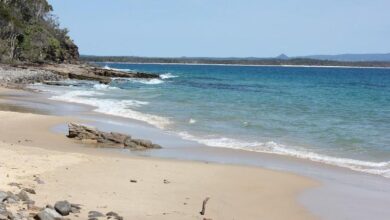
When most people search for nongsa beach, they picture a continuous stretch of powdery white sand lined with swaying palm trees and crystal-clear swimming water. In reality, the coastline is heavily fragmented. It consists of private resort frontages, mangrove-lined estuaries, and rocky public fishing shores rather than one single, cohesive boardwalk. Understanding this geographic layout matters because your daily experience depends entirely on which specific zone you choose to visit. If you wander onto a public fishing access point expecting a resort-style beach club, you will likely walk away disappointed. Conversely, if you check into a secluded property like Nongsa Point Marina, you step into an entirely different world of manicured lawns, yachts, and infinity pools.
Additional Information

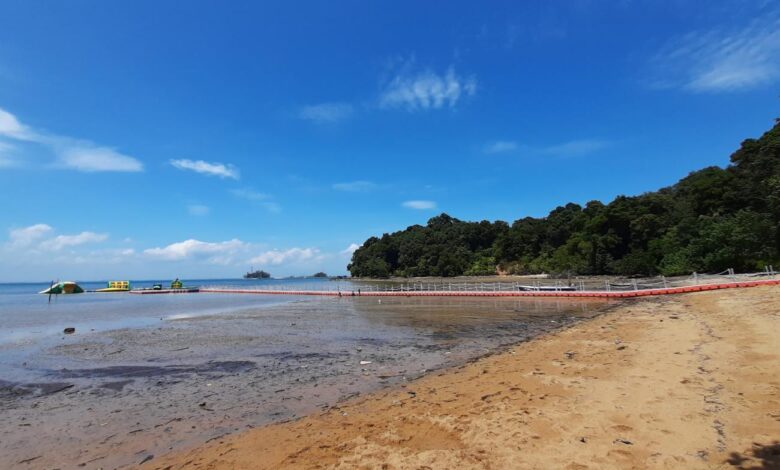
Let us look at a real-world scenario to make this concrete. Imagine a traveler named Sarah who takes the morning ferry from Singapore, grabs a local taxi, and asks to be dropped off simply at “Nongsa Beach.” The driver drops her near a local village jetty where fishermen mend nets and tidal mudflats stretch out for a hundred meters during low tide. There are no lounge chairs, no cocktail service, and swimming here is not recommended due to local boat traffic and water conditions. Sarah feels let down because she envisioned a tropical resort setting. However, had she booked a day pass at one of the established beachfront properties just two kilometers down the road, she would have found the exact luxury environment she wanted. The coastline changes character drastically every few hundred meters, making precise location knowledge essential.
To help you visualize the different zones along the coast, keep these distinct pockets in mind:
- The Resort Enclaves: Gated properties offering private sand patches, swimming pools, and international dining.
- The Marina Area: A hub for sailing enthusiasts, yacht docking, and waterfront dining overlooking passing ships.
- The Local Fishing Villages: Authentic coastal neighborhoods featuring stilt houses, fresh seafood restaurants, and traditional daily life.
Nongsa Public Beach vs. Luxury Resorts: Why Your Experience Depends Entirely on Where You Stay
Choosing between a public shoreline access point and a private resort property along the nongsa beach corridor is not just about your budget; it dictates your entire physical environment. Luxury properties invest heavily in maintaining artificial sand patches, clearing seaweed, and filtering seawater for their guests. Public areas, on the other hand, belong to the local community and the natural tides. This matters deeply because Batam’s northern coastline experiences significant tidal swings that expose muddy flats twice a day. If you stay at a resort, their staff manages these natural shifts seamlessly by providing elevated pools and private manicured grounds. If you visit a public stretch without a plan, you might arrive right at low tide and find yourself staring at wet sand and exposed rocks instead of rolling waves.
This dynamic often catches first-time visitors off guard who assume all beaches in Southeast Asia operate like open public parks. When I tested a weekend stay at a mid-tier local lodge near the coast, I quickly realized that the magic of the area isn’t actually swimming in the sea—it is the serene ambiance, the cool sea breeze at sunset, and dining on chili crab right over the water. Practitioners recommend treating the shoreline here as a scenic backdrop rather than a swimming destination. If you want a pristine swimming environment, lean toward properties with well-maintained resort infrastructure. If you want authentic local culture and incredible seafood without the resort price tag, the village areas offer unmatched charm.
Also Read: Burnout dalam Karir: Cara Mengenali, Mengatasi, dan Mencegahnya
Sometimes, complex travel planning requires a little extra brainpower, especially when you are trying to coordinate ferry times, resort bookings, and local transport all at once. That is where smart planning tools come in handy. For travelers who like to organize their itineraries using advanced digital assistants, exploring resources like a customgpt demo can show you how AI-powered travel planners help map out exact logistics without the usual headache.
How to Travel to Nongsa Beach from Singapore or Nagoya (And What It Costs)
Getting your logistics right dictates whether your coastal escape feels like a holiday or an administrative hurdle. Most international travelers catch a ferry to batam from singapore departing from Tanah Merah Ferry Terminal directly into Nongsapura Ferry Terminal. This specific crossing cuts out the heavy traffic congestion you would otherwise face if you arrived through the busier central port of Batam Center. Once you clear immigration, you are already standing right on the edge of the northern coastline. Private resort shuttles usually wait just outside the terminal doors to pick up pre-booked guests. If you decide to stay further inland or down the coast toward batu besar batam, you will need to arrange alternative transport since resort vans typically only service their own properties. Local ride-hailing apps work well here, but cell service can occasionally drop near thick mangrove patches. Budget-conscious travelers often pair a standard ferry ticket with a local ride share, keeping total transit costs remarkably low compared to packaged tours. Plan your departure time carefully because Friday evenings and Sunday afternoons see heavy commuter surges that can slow down your passport stamping process.
Crucial Mistakes to Avoid When Visiting the Nongsa Coastline
First-time visitors often make avoidable missteps that turn a relaxing weekend into a frustrating exercise in problem-solving. One major error is treating the entire northern strip like a traditional resort enclave where you can simply wander freely between private properties and public fishing villages. Security gates separate many upscale hotel grounds from the public shoreline, meaning you cannot always walk the beach continuously for miles. Another common slip-up is ignoring the tidal schedule when booking waterfront dining. Arriving at a seafood kelong during absolute low tide means looking out at exposed mudflats instead of gentle waves. Smart travelers check local tide charts beforehand. They also keep a small stash of Indonesian Rupiah handy because remote warung stalls and beachside vendors rarely accept digital wallets or foreign credit cards. By anticipating these small local nuances, you bypass the friction points that catch unprepared tourists completely off guard.
Frequently Asked Questions about Nongsa Beach
Travelers always ask valid questions regarding safety, swimming conditions, and family friendliness before booking their tickets. Let’s address those concerns directly. Can you actually swim in the sea here? Generally, practitioners advise sticking to resort swimming pools unless you are staying at a property with a designated, cleaned shoreline zone. Is the area safe for solo travelers? Absolutely. The coastal pockets feel remarkably secure during daylight hours, though standard common sense applies after dark when rural roads lack overhead street lighting. How far is it from the main city attractions? You are looking at a thirty to forty-minute drive into downtown Nagoya if you want to swap beach quiet for massive shopping malls and local massage parlors. Knowing these realities helps you pack the right expectations into your suitcase long before your ferry departs.
Conclusion: Is Nongsa Beach Worth the Trip, and How to Plan Your Batam Getaway with Batam Business Club
Deciding if this coastal pocket deserves a spot on your calendar depends entirely on what kind of traveler you happen to be. If you crave pulsing nightlife, walk-out surfing waves, and endless boardwalks filled with entertainment, look elsewhere. But if your ideal weekend involves quiet sunset views, fresh seafood cooked over charcoal, and a genuine escape from metropolitan chaos, booking a trip here makes total sense. Crafting the ideal itinerary doesn’t have to feel like a guessing game. When you want expert local insights, reliable transport recommendations, and verified accommodation picks, turn to Batam Business Club. You can browse detailed regional guides directly at Batam Business Club to streamline your upcoming Indonesian adventure. Ready to lock in your dates or have a specific logistical question? Reach out to their team directly on WhatsApp via chat now for prompt, personalized assistance that takes the stress completely out of your travel planning.
Getting your logistics right is the secret to actually enjoying your time on the coast. I’ve seen many travelers arrive at the Nongsa ferry terminal expecting a bustling city center, only to realize they are a solid 30 to 40-minute drive from the main shopping hubs in Nagoya. If you aren’t staying at an all-inclusive resort, you need a plan for your ride.
In my experience, relying on last-minute street taxis near the smaller, more remote beaches is a recipe for a headache. I always recommend asking your hotel reception to book a car for your return trip before you even head out to explore. If you prefer to be independent, local ride-hailing apps work, but keep in mind that drivers sometimes hesitate to enter gated resort zones if they aren’t authorized. Having a reliable contact at Batam Business Club can bridge this gap, as they often coordinate private transfers that handle these access issues without any friction.
Another practical tip involves your gear. The tide at Nongsa beach can fluctuate significantly throughout the day. I’ve walked out onto what looked like an endless stretch of sand in the morning, only to return at high tide to find the water lapping right up to the seawall. Check a local tide chart if you’re planning a specific beach walk or photo session. It prevents the frustration of showing up to find no beach left to sit on.
Frequently Asked Questions about Nongsa Beach
What is Nongsa Beach?
Nongsa Beach is a coastal area located in the northeastern part of Batam, Indonesia. It is primarily known for its collection of luxury golf resorts and quiet, secluded shorelines that offer a much more peaceful atmosphere compared to the busy urban centers of Batam City.
How do you get to Nongsa Beach from Singapore?
The most direct route is taking a ferry from Singapore’s Tanah Merah Ferry Terminal to the Nongsapura Ferry Terminal. The crossing usually takes about 30 to 45 minutes. From the terminal, most visitors take a pre-booked shuttle or taxi directly to their specific resort.
Is Nongsa Beach better than other beaches in Batam?
It depends on your travel goals. If you want white sand, high-end amenities, and golf access, Nongsa Beach is significantly better than the public, more crowded beaches found elsewhere on the island. However, if you are looking for local street food vendors and a bustling public social scene, you might find other areas like Melur Beach more lively.
Can you swim at Nongsa Beach?
Yes, you can swim at Nongsa beach, especially near the private resorts where the shorelines are well-maintained. However, the water clarity varies depending on the weather and the tide. It is generally safer and cleaner to swim within the designated zones managed by the beach resorts.
Are there public facilities available at Nongsa Beach?
Public access to the shoreline is possible, but general facilities like clean toilets, changing rooms, and showers are rarely available outside of the private resorts. If you are not a guest at a resort, you should plan your visit as a day trip and be prepared to rely on local cafes or your own transportation.
Do I need a visa to visit Nongsa Beach?
Entry requirements for Indonesia depend on your nationality. Many travelers can enter using a Visa on Arrival or an e-VOA, but you should always check the latest immigration updates for Indonesia before you book your ferry. You can reach out to Batam Business Club via WhatsApp if you need current, localized advice on travel permits or regional entry logistics for your specific trip.
References & Sources
Watch the Related Video
Do Not Miss! Watch the Video Above and Learn More.
Click Here for More Information

A Blogger, Writer, and Digital Marketing Consultant dedicated to helping local SMEs (Small and Medium Enterprises) grow and promote their businesses across Indonesia, Singapore, and Malaysia.
Author: Armein Hutagaol
A Blogger, Writer, and Digital Marketing Specialist dedicated to helping local SMEs (Small and Medium Enterprises) grow and promote their businesses across Indonesia, Singapore, and Malaysia.