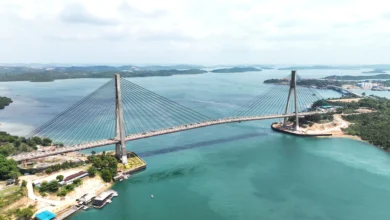
A standard Singapore to batam ferry passage is a cross-border maritime transit service connecting the Lion City’s coastal terminals to the industrial and leisure hubs of Riau Islands, Indonesia, with vessel crossings typically taking between 45 to 70 minutes depending on the chosen destination port. Travelers book these high-speed catamarans for weekend getaways, factory site visits, or regional supply chain management. Behind every smooth booking confirmation, however, lies a complex choreography of regional port authorities, fluctuating terminal fees, and capacity management strategies that seasoned practitioners must navigate carefully.



Have you ever stood in a weekend queue at the ferry terminal wondering why your final out-of-pocket cost keeps creeping higher than the online ticket price? If you travel this corridor regularly for business or leisure, you already know the frustration of hidden terminal levies and sudden schedule shifts. Let’s pull back the curtain on how this maritime corridor actually operates beneath the glossy travel marketing.
Singapore to Batam Ferry: Definition, Core Routes, and How the Cross-Border Transit System Works
At its core, a Singapore to batam ferry is a high-speed passenger vessel service operating across the Singapore Strait. It bridges two distinct regulatory jurisdictions within a relatively short maritime distance. The system relies on a network of private operators working closely with port operators like Singapore Cruise Centre and PT Batamindo Investmentakat. When you purchase a seat, you are plugging into a heavily regulated infrastructure designed to move thousands of commuters daily without missing a beat.
Additional Information

Understanding why this system matters helps you avoid costly scheduling mistakes. Unlike domestic transit, international maritime travel requires strict immigration clearances on both ends. A slight delay in Singapore can cascade into missed ferry connections or long queues at Indonesian checkpoints. If you are managing cross-border supply chains or coordinating client site visits in Batam’s industrial parks, timing is everything. A missed departure doesn’t just ruin your afternoon; it can derail an entire business itinerary.
Consider what happens on a typical Tuesday morning when a logistics consultant travels from HarbourFront to Sekupang. They check in forty minutes before departure, clear Singapore immigration swiftly, and board a 300-seat catamaran operated by Batam Fast. Upon arrival at Sekupang, they process through Indonesian customs within fifteen minutes, meeting a local driver waiting outside the terminal gates. In practice, the system runs like clockwork—provided you respect the terminal cut-off times and understand how regional port taxes are billed.
The Great Terminal Migration: Why HarborFront and Tanah Merah Are Changing the Equation
The geography of departure points in Singapore has undergone a subtle yet significant evolution. Ferries depart primarily from two major hubs: HarbourFront Centre on the southern coast and Tanah Merah Ferry Terminal on the eastern edge. HarbourFront serves travelers heading towards west-facing Batam terminals like Sekupang and Waterfront City. Meanwhile, Tanah Merah primarily feeds the high-volume passenger traffic flowing into Batam Center, the commercial heart of the island.
This terminal split matters because choosing the wrong departure point can add hours of cross-island transit time before you even board a vessel. If you live in Tampines or Changi, dragging your luggage all the way across Singapore to HarbourFront is a rookie error. Practitioners at the Batam Business Community always match their Singapore accommodation or flight arrival directly to the geographically closest ferry terminal. Smart routing saves precious hours and hefty taxi fares.
Imagine a business traveler landing at Changi Airport for a quick meeting in Batam Center. Instead of taking a costly cross-island cab to HarbourFront, they take a short ten-minute taxi ride straight to Tanah Merah Ferry Terminal. They pick up their physical boarding passes, clear customs, and board a Sindo Ferry or Majestic vessel heading directly across the eastern strait. That single routing choice cuts their pre-trip transit time in half and keeps stress levels low. If you want to streamline your workflow further, teams often use advanced process automation tools like those discussed at CustomGPT to handle travel itineraries and client communications effortlessly.
Decoding the Hidden Port Fees: What Travelers and Business Commuters Actually Pay Beyond the Ticket Price
- Online booking platforms frequently quote base fares that exclude mandatory terminal fees and fuel surcharges.
- Singapore operators generally collect terminal fees at the counter unless bundled during initial purchase.
- Indonesian ports levy local entrance or tourism fees payable directly upon arrival, often in cash.
When you glance at your electronic booking confirmation, the advertised base price rarely tells the whole financial story. Operators market attractive promotional fares to lure weekend tourists, but experienced cross-border travelers know the final checkout total is an entirely different matter. What looks like a twenty-dollar ticket frequently balloons once port authorities, fuel adjusters, and regional taxes enter the equation.
Understanding these hidden costs prevents frustrating delays at boarding counters and keeps your travel budget intact. Based on field experience within the Batam Business Community, keeping a reserve of local currency or ensuring your digital payment apps are fully funded saves immense friction. Let’s break down where your money actually goes once you commit to a singapore to batam ferry journey.
Decoding the Hidden Port Fees: What Travelers and Business Commuters Actually Pay Beyond the Ticket Price
Port taxes and regional levies operate as entirely separate line items from your carrier ticket. Singapore terminal operators collect specific departure fees that cover facility upkeep, security screening, and passenger processing infrastructure. Meanwhile, Indonesian arrival ports like Sekupang or Batam Center collect maintenance charges and tourism entry fees upon disembarkation. If you book a round-trip ticket, you are essentially prepaying one departure fee while the return fee is often collected separately at the foreign counter, depending on current bilateral port agreements.
Transparency matters because unexpected cash demands can completely halt your progress if you aren’t prepared. Imagine rushing to the ferry wicket with five minutes to spare, only to find the attendant demanding a cash-only port clearance stamp fee that your credit card cannot cover. Industry averages show that these extra fees can easily add a significant percentage to your baseline transit cost. Practitioners recommend keeping at least fifty Singapore dollars and a modest amount of Indonesian rupiah in physical cash specifically for these scattered terminal charges.
- Always check whether your online aggregator includes Singapore terminal fees in the initial purchase flow.
- Keep local currency physically separated in your wallet for fast, contactless-free counter payments.
- Verify if your corporate travel policy reimburses cash-only port receipts, as many expense systems require physical paper vouchers.
Ferry Operator Showdown: Comparing Batam Fast, Majestic, and Sindo Ferry for Cost and Reliability
Choosing the right vessel provider dictates your schedule flexibility, onboard comfort, and ultimate arrival point. The big three operators dominating the singapore to batam ferry lanes each bring distinct operational philosophies to the table. Batam Fast boasts the densest frequency and the widest network connecting to multiple Indonesian ports. Sindo Ferry often wins on promotional pricing for budget-conscious groups, while Majestic Ferry tends to feature newer hulls with reliable air-conditioning units and smoother ride dynamics in rough weather.
Why does this operator choice matter so intensely for regular commuters? A cheaper ticket on a smaller, older vessel might save you five dollars upfront, but a breakdown or engine delay can ruin an important morning client presentation. Let’s look at a practical scenario involving a procurement manager heading toward batam city square for factory audits. If they choose an operator with erratic mid-day scheduling, a single delayed vessel pushes back factory visits by hours, cascading into missed supplier meetings and wasted hotel nights. That is why veterans weigh reliability metrics far higher than marginal ticket savings.
Also Read: Tidak Punya Modal Besar? Berikut 4 Bisnis Menjanjikan Dengan Modal Kecil
When weather conditions turn choppy during monsoon transitions, cabin stability becomes a non-negotiable priority. Operators with larger, modern fleets generally handle high swells with less pitching, keeping passengers comfortable and productive. If you run into scheduling adjustments or need immediate logistics support while on the ground, you can chat now with local practitioners who track daily vessel performance and terminal queues in real time.
Frequently Asked Questions about Singapore to Batam Ferry
What is a Singapore to Batam ferry and which terminals operate these routes?
A Singapore to Batam ferry is a high-speed passenger vessel connecting maritime terminals in Singapore to various entry points on Batam Island, Indonesia. Regular services depart from the HarborFront Centre on Singapore’s southern coast and the Tanah Merah Ferry Terminal in the east. On the Indonesian side, vessels dock primarily at Batam Centre, Sekupang, Harbour Bay, and Nongsa Pura, depending on your chosen operator and final destination.
How do you book and secure a ticket for the Singapore to Batam ferry?
You can book tickets directly through official operator websites like Sindo Ferry, Majestic Fast Ferry, or Batam Fast, or through regional travel aggregators. Practitioners recommend booking round-trip tickets at least a week in advance if you plan to travel during weekend peaks or Singapore public holidays. Once booked online, you bring your confirmation code to the terminal counter to collect your physical boarding pass and pay any applicable local port taxes.
Is taking the ferry better than flying into Batam?
Flying directly into Batam’s Hang Nadim Airport is rarely practical for international travelers because direct commercial flights from Singapore do not exist due to the extremely short geographical distance. The Singapore to Batam ferry remains the absolute standard, fastest, and most cost-effective method of cross-border transit, taking roughly forty-five to seventy minutes depending on sea conditions and your destination terminal.
How much are the terminal fees and ticket prices for the Singapore to Batam ferry?
Standard return ferry tickets generally range from fifty to eighty Singapore dollars, depending on the operator and weekend surcharges. Beyond the baseline ticket price, travelers must budget for terminal fees collected at the port counters. Singapore terminals typically charge around ten dollars for departure fees, while Indonesian ports collect local entry and maintenance taxes in cash upon arrival.
What documents do I need to board a Singapore to Batam ferry?
Every passenger must present a valid passport with at least six months of remaining validity from the date of entry into Indonesia. You also need a confirmed return ferry ticket and, depending on your nationality, proof of meeting Indonesia’s visa requirements such as a Visa on Arrival or a pre-arranged electronic visa. Always double-check current immigration policies before heading to the terminal, as entry regulations for foreign visitors can shift with little notice.
For more information on cross-border logistics, contact the Batam Business Community via WhatsApp. Visit Batam Business Community for similar services and on-the-ground support.
Common Mistakes to Avoid
Most travelers lose money or miss their departure not because the system is rigged, but because small logistical details get overlooked in the rush. If you’ve booked a singapore to batam ferry, you probably just want a smooth ride across the Strait. Yet, veterans watch newcomers make the exact same errors trip after trip.
-
Mistake: Relying purely on digital currency or credit cards for all terminal expenses.
Why it’s wrong: Indonesian ports often require cash payment for local development taxes or port maintenance fees, and ticket counters rarely accept foreign cards for these specific add-ons.
What to do instead: Always keep Indonesian Rupiah or Singapore Dollars in physical cash tucked into your travel pouch before stepping out of the taxi. -
Mistake: Cutting arrival times too close on Friday evenings or Sunday afternoons.
Why it’s wrong: Weekend queues at HarbourFront or Tanah Merah swell dramatically, and automated clearance gates occasionally flag documents for manual inspection.
What to do instead: Aim to arrive at least ninety minutes before your scheduled departure. This buffer gives you breathing room if the baggage drop or security line stretches longer than expected. -
Mistake: Assuming all Batam terminals lead to the same neighborhood.
Why it’s wrong: Batam has several major ferry entry points, including Sekupang, Batam Center, and Harbour Bay. Booking a ticket to the wrong terminal can land you an hour-long taxi ride across the island just to reach your hotel.
What to do instead: Match your ferry destination directly to your accommodation location before paying for your seats. -
Mistake: Forgetting to check the passport validity rule down to the exact month.
Why it’s wrong: Customs officials enforce the six-month rule strictly; airlines and ferry operators will deny boarding at the departure gate without exception.
What to do instead: Open your passport right now and count six months forward from your planned return date. If it falls short, renew it immediately.
Advanced Tips From Practitioners
Frequent cross-border commuters know that surviving regional ferry transit requires a bit of local street smarts. When you book a singapore to batam ferry, look beyond the standard ticket aggregator apps. Experienced travelers often purchase tickets directly through official operator websites to avoid third-party service markups and secure better seat allocations near the front of the vessel.
Boarding order matters more than you might think. Operators usually call passengers by seating zones, but hanging back in the waiting lounge until the final boarding call lets you skip the massive bottleneck at the gangway. You walk straight onto the boat without standing in a humid, stagnant queue for twenty minutes.
Need help coordinating group logistics, corporate transit, or on-the-ground arrivals? Practitioners often rely on regional networks for real-time updates. You can connect directly with the Batam Business Community for similar services and on-the-ground support. Reach out to them via WhatsApp at chat now to iron out your itinerary details before you travel.
Finally, always pack a light sweater or jacket in your carry-on bag. Ferry cabins blast air conditioning at full tilt to combat the tropical humidity outside, turning a fifty-minute boat ride into a surprisingly chilly journey.
References & Sources
Watch the Related Video
Do Not Miss! Watch the Video Above and Learn More.
Click Here for More Information

A Blogger, Writer, and Digital Marketing Specialist dedicated to helping local SMEs (Small and Medium Enterprises) grow and promote their businesses across Indonesia, Singapore, and Malaysia.
Author: Armein Hutagaol
A Blogger, Writer, and Digital Marketing Specialist dedicated to helping local SMEs (Small and Medium Enterprises) grow and promote their businesses across Indonesia, Singapore, and Malaysia.