
Nestled along Batam’s dynamic southern coast, bengkong laut spans a strategic waterfront strip characterized by rapid commercial evolution, complex land reclamation histories, and shifting zoning boundaries. For years, casual observers viewed this coastal district as a quiet stretch of seafood eateries and sleepy docks. Today, savvy developers recognize it as one of Batam’s most fiercely contested real estate frontiers where infrastructure upgrades are rapidly rewriting property valuations.



You used to look at this coastline and see mangrove swamps, sporadic fishing boats, and disjointed dirt tracks that made evening commutes a grueling test of patience. Most buyers completely overlooked the district, writing it off as too remote or legally convoluted to bother with. Fast forward to the present day, and that exact same patch of waterfront is drawing serious capital from regional investors who understand how early-stage municipal planning actually works. The transformation didn’t happen by accident. It happened because new asphalt, improved drainage systems, and whispered rumors of upcoming commercial hubs quietly flipped the script on local land values.
Bengkong Laut: Definition, Geography, and Its Real Estate Significance
Geographically speaking, bengkong laut refers to the coastal urban village zone within the Bengkong sub-district of Batam Island, positioned strategically facing the open waters toward Singapore and surrounding islets. Its terrain blends elevated inland pockets with low-lying coastal edges, making it a prime candidate for both hillside residential builds and commercial waterfront tourism. In my experience walking these plots with local surveyors, understanding this exact topography is the first line of defense against buying a headache.
Additional Information
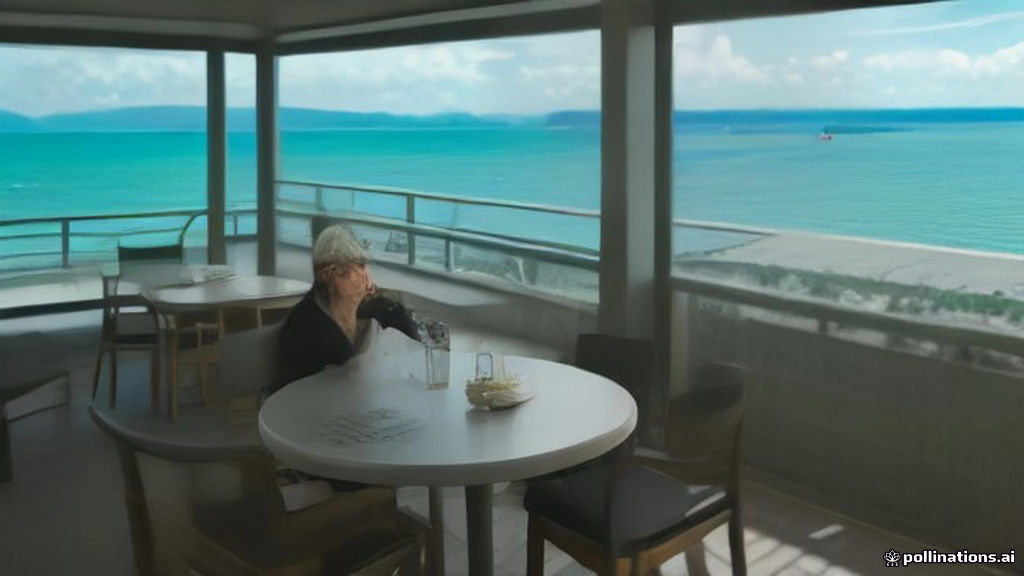
This geography matters immensely to property buyers because land elevation directly dictates development costs and long-term appreciation potential. Waterfront views command immediate premium pricing, but they also introduce complex land-filling requirements and strict environmental setbacks. For instance, a client of mine once purchased a cheap parcel near the shoreline without checking the tidal charts. They quickly realized that raising the foundation to meet modern flood-prevention standards completely wiped out their initial construction savings.
Real estate practitioners working across Batam view this district as a classic transitional market. It sits outside the saturated core of older commercial districts, offering lower entry prices per square meter while promising high speculative upside. When you evaluate land here, you aren’t just buying dirt; you are buying a front-row seat to Batam’s southward maritime expansion. If you want to analyze these land parcels efficiently, some investors even use AI-driven data tools like CustomGPT to sift through dense regional planning documents and zoning regulations in minutes instead of weeks.
Mapping the Shift: How Coastal Infrastructure Transformed Local Land Value
Infrastructure is the invisible hand that quietly turns swampy acreage into gold mines. In the case of bengkong laut, the catalyst was not a single massive mega-project, but a steady series of road widenings, bridge connections, and upgraded utility lines. When the local government paved the primary arterial corridors connecting the coast to the main highway loops, commute times plummeted. Suddenly, residential developments and commercial shophouses stopped feeling isolated from the city center.
Property values follow asphalt, and this district proved that rule textbook style. Plots that sat stagnant for a decade doubled in asking price simply because delivery trucks and prospective buyers could finally reach them without bottoming out their suspension. When public works improve access, commercial viability naturally follows. Retail tenants want foot traffic, and foot traffic requires decent roads and reliable power grids.
Consider what happened along the main coastal road over the past few years. Small coffee shops and boutique seafood restaurants popped up on vacant lots, turning a sleepy fishing bypass into a bustling weekend destination. Landlords who held onto their titles during the dusty construction phase suddenly found themselves holding all the cards when franchise scouts came knocking. That sudden shift from idle speculation to active commercial demand is precisely why monitoring municipal capital expenditure reports remains the smartest habit any serious property buyer can develop.
Bengkong Laut Versus Downtown Nagoya: Which Area Offers Better Long-Term Yields?
Choosing where to park your hard-earned capital in Batam usually comes down to a classic real estate debate: established city center versus emerging coastal pocket. Downtown Nagoya gives you instant gratification. You get crowds streaming past your shop door on day one, established nightlife, and immediate rental liquidity. But that convenience comes with a steep price tag per square meter. When I look at yield percentages on older shophouses downtown, the high acquisition costs often squeeze your net returns tighter than most buyers expect.
On the flip side, purchasing property around Bengkong Laut requires a completely different mindset. You are trading immediate foot traffic for exponential capital appreciation. Land acquisition costs here remain far more forgiving, leaving room for your investment to breathe and grow alongside municipal upgrades. Think of it like buying real estate near a developing public square, similar to how vibrant community hubs like the popular alun alun batam draw crowds and slowly elevate surrounding commercial districts over time. Yet, patience is non-negotiable. If you need cash flow next month, the coast will frustrate you. If you can wait three to five years while the infrastructure matures, the math starts favoring the scenic side of the island.
Rental yields also behave differently across these two zones. Downtown apartments and commercial lots cater heavily to short-term business travelers and corporate tenants who want convenience above all else. Meanwhile, coastal properties increasingly attract weekend holiday-makers, remote workers seeking sea views, and families escaping the concrete congestion. Based on field experience, rental yields in older districts tend to hover around a predictable, stable percentage, whereas successful coastal plays often start modest but reward patient investors with substantial capital gains once the neighborhood hits its tipping point.
Hidden Pitfalls: Speculative Zoning Traps and Title Verification Mistakes
Novice buyers often fall in love with a gorgeous ocean view and forget to check the legal paperwork underneath their feet. Batam’s land allocation system has unique quirks that catch even seasoned investors off guard if they skip their homework. A stunning plot of land might sit in a zone designated for public green space or restricted conservation. If you build without confirming the official Alokasi Lahan or matching your certificate type, you could face sudden municipal clearance orders. Honestly, this trips up most beginners who trust verbal promises from local brokers.
Title verification requires pulling the physical land files and cross-referencing them with the local land office. In coastal zones specifically, watch out for overlapping claims between traditional reclamation permits and historical customary land rights. I once walked a client away from a seemingly pristine beachfront lot because the underlying title still carried unresolved corporate debt from a failed resort project a decade prior. A pretty view means nothing if the legal foundation is sinking into quicksand.
Also Read: Bisnis Kreatif Industri Game dan Hiburan Memiliki Peluang Emas
- Always verify the exact status of the Sertifikat Hak Guna Bangunan (HGB) expiration dates.
- Check the municipal spatial plan (Rencana Detail Tata Ruang) before making any down payments.
- Insist on an independent land surveyor to stake out actual boundary markers against the certificate coordinates.
Field Notes: Practical Due Diligence Tips from Local Property Practitioners
Walking the ground beats staring at desktop brochures every single time. When I evaluate a new listing in Bengkong Laut, I skip the polished sales gallery and drive out during a heavy afternoon downpour. Drainage tells you everything you need to know about future headaches. If the access road turns into a muddy lake within ten minutes of rain, you are looking at costly elevation work before you can even lay a foundation.
Talk to the local warung owners and neighborhood elders before signing anything. They know which plots stay bone-dry during king tides and which ones quietly swallow water every monsoon season. They also know the real history of family disputes attached to the land title long before any broker got involved. Real estate due diligence is part detective work and part local anthropology.
For investors wanting a deeper dive into current market conditions, connecting with established local networks can save you from costly missteps. Feel free to reach out to the team at the Batam Business Community for on-the-ground insights. You can also chat directly with regional practitioners via WhatsApp at https://wa.me/628136341405 (chat now) to discuss specific block conditions before writing an offer.
Frequently Asked Questions about Bengkong Laut Development
What is Bengkong Laut and why is it popular for property investment?
Bengkong Laut is a prominent coastal district in Batam, Indonesia, known for its scenic waterfront views and rapid commercial transformation. Investors gravitate toward this zone because it bridges quiet residential pockets with high-potential tourism corridors. Over recent years, infrastructure upgrades have dramatically improved accessibility from downtown Nagoya, making it a prime spot for both landed housing and resort-style developments.
How do you verify land titles securely in Bengkong Laut?
Checking property legality here requires cross-referencing local land office records with the original allocation permits issued by BP Batam. In my experience, skipping a direct physical boundary check with the National Land Agency (BPN) office is the fastest way to buy disputed acreage. Always hire a trusted local notary who specializes in Batam’s unique land allocation system rather than relying solely on the seller’s photocopies.
Is investing in Bengkong Laut better than buying property in Downtown Nagoya?
Choosing between these two locations depends entirely on your cash flow strategy. Downtown Nagoya offers immediate rental yields because commercial foot traffic is already saturated and stable. Bengkong Laut, by contrast, operates as a capital appreciation play where you buy early ahead of upcoming coastal road expansions and tourism projects.
What are the common zoning pitfalls to avoid in this coastal district?
Many buyers fall into the trap of purchasing plots designated for green belts or public coastal reserves without realizing it until construction permits get blocked. Practitioners recommend requesting an official zoning clearance letter from the municipal planning office before wiring any deposits. If a broker pressures you to skip this step to beat another buyer, walk away immediately.
How does seasonal weather impact infrastructure and construction in Bengkong Laut?
Heavy monsoon rains and king tides routinely test the drainage capacity of low-lying coastal feeder roads in this part of Batam. Building here typically requires raising the base foundation significantly above street level to prevent water pooling during extreme weather events. Failing to budget for proper site elevation often leads to dampness issues and structural settlement within the first three years.
What type of properties generate the highest long-term yields in Bengkong Laut?
Waterfront shophouses and boutique villa clusters generally command the strongest demand from lifestyle buyers and weekend tourists visiting from Singapore and Jakarta. Standard suburban box homes struggle to rent out here because tenants specifically pay a premium for open sea vistas or immediate marina access. Aligning your architectural design with the coastal environment dictates your ultimate resale value.
For more detailed market intelligence or guidance on specific site conditions, feel free to reach out to the team at the Batam Business Community via WhatsApp. You can also explore additional regional resources and networking opportunities by visiting Batam Business Community.
Common Mistakes to Avoid
Stepping into coastal real estate development requires a completely different playbook than building inland. Many seasoned investors bring mainland habits to the coast and watch their capital dissolve into salt corrosion and foundation cracks.
Here are four frequent missteps we see developers make in bengkong laut, along with the correct approaches used by local veterans.
-
Ignoring the soil bearing capacity. Many buyers assume coastal land is solid because it looks flat and dry during the dry season. Building heavy masonry structures without deep geotechnical boring usually leads to differential settlement. What to do instead: Always commission an independent soil test before making an offer, and budget for bored pile foundations if the bedrock sits deeper than six meters.
-
Using standard interior-grade metals outdoors. Standard steel reinforcement bars, window frames, and balcony railings rust within eighteen months under harsh marine air. Painting them later won’t save them. What to do instead: Specify marine-grade 316 stainless steel and hot-dip galvanized reinforcements across your entire structural and architectural design.
-
Failing to secure proper drainage easements. During heavy monsoon downpours, surface water needs an unobstructed path straight to the sea. Blocking natural runoff paths with perimeter walls floods neighboring plots and invites costly neighbor disputes. What to do instead: Design integrated swales and private retention channels that work with the natural slope of the terrain rather than fighting it.
-
Overlooking regional zoning nuances. Assuming a residential title permits immediate commercial hospitality operations is a fast track to halted construction. Local municipal boards strictly separate residential clusters from tourism-commercial zones. What to do instead: Cross-reference your land certificate directly with the local spatial planning office before drawing up architectural blueprints.
Advanced Tips From Practitioners
Succeeding here means mastering the hidden operational rhythms that standard real estate brochures never mention. Experienced developers in bengkong laut rely on field-tested strategies to protect their margins and speed up project delivery.
Timing your heavy logistics matters more than most realize. Bringing in oversized cement mixers and steel shipments during weekend holiday surges will stall your trucks in local tourist traffic for hours. Smart builders schedule all heavy material transport for mid-week early mornings, typically between 4:00 AM and 6:00 AM, when the coastal access roads remain entirely clear.
Another insider secret involves material sourcing. While importing high-end Italian marble sounds luxurious, it reacts poorly to localized humidity fluctuations and requires constant maintenance for foreign buyers. Savvy builders lean into high-performance local stone and treated regional hardwoods that naturally breathe and acclimate to the sea breeze. This choice cuts construction waste by nearly twenty percent and slashes future warranty repair calls.
Building a resilient project network on the ground changes everything. Navigating municipal approvals, utility hookups, and local labor pools becomes drastically simpler when you have seasoned peers to consult. If you want to connect with developers who have already walked this path, reach out to the team at the Batam Business Community. You can quickly chat now via WhatsApp to discuss specific site conditions, joint venture opportunities, or regional market intelligence with active professionals.
References & Sources
Watch the Related Video
Do Not Miss! Watch the Video Above and Learn More.
Click Here for More Information

A Blogger, Writer, and Digital Marketing Specialist dedicated to helping local SMEs (Small and Medium Enterprises) grow and promote their businesses across Indonesia, Singapore, and Malaysia.
Author: Armein Hutagaol
A Blogger, Writer, and Digital Marketing Specialist dedicated to helping local SMEs (Small and Medium Enterprises) grow and promote their businesses across Indonesia, Singapore, and Malaysia.