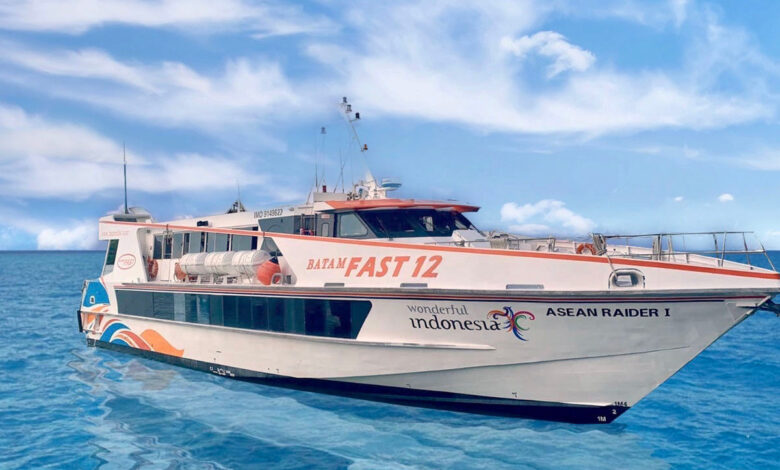
batambisnis.com – Operating a high-speed passenger vessel across the Singapore Strait requires coordinating cross-border immigration checkpoints, regional ferry terminal logistics, and strict baggage protocols for thousands of daily travelers. A batam fast ferry is a commercial maritime service connecting Singapore’s coastal terminals directly to Indonesian islands, primarily serving weekend tourists, business commuters, and cross-border families making the roughly one-hour journey. Understanding how these marine vessels operate helps you bypass common transit bottlenecks.


Imagine standing in a pulsing crowd at a regional ferry terminal twenty minutes before departure, holding a boarding pass while the queue for your gate barely moves. You watch the digital departure board flash “Final Call,” realizing your weekend getaway is about to unravel because you underestimated the sheer volume of holiday travelers and checkpoint bottlenecks. That stressful moment is entirely avoidable once you understand how the system actually works behind the scenes.
Cut through the marketing fluff with an insider’s look at navigating the batam fast ferry, dealing with terminal chaos, and managing luggage limits without the stress. Through years of cross-border travel experience, I have learned that a smooth trip depends entirely on preparation rather than luck. Let’s break down the realities of schedules, terminals, and logistics so you can travel like a seasoned regular.
Additional Information
Batam Fast Ferry: Definition, Routes, and How It Works for Cross-Border Travelers
A batam fast ferry is a twin-hull or single-hull motorized passenger catamaran designed to carry hundreds of travelers across international waters at speeds averaging roughly thirty knots. These vessels operate like floating buses, linking Singapore’s island ports with key Indonesian gateways like Batam Center, Sekupang, Harbour Bay, and Nongsa Pura. Operators such as Batam Fast, Majestic Fast Ferry, and Sindo Ferry run these routes continuously throughout the day. In my experience, knowing the vessel type and maritime operator matters far less than understanding the port infrastructure handling them.
This matters because your journey is not just a boat ride; it is an international transit protocol involving two distinct immigration authorities. You must clear departure customs in Singapore before stepping foot on the gangway, and complete entry formalities upon arrival in Indonesia. If you treat the ferry like a domestic harbor cruise, you will likely miss your departure window. For instance, operators routinely close boarding gates ten to fifteen minutes before the official departure time to process manifest documents and secure luggage hatches.
Consider a traveler rushing from a downtown office meeting to catch a Friday evening sailing to Batam Center. They arrive at the terminal counter twenty-five minutes before departure, assuming they can walk straight onto the boat like a subway train. In reality, the immigration clearance queue alone takes fifteen minutes during peak periods, causing them to forfeit their ticket and pay steep change fees. Experienced practitioners always factor in immigration processing times, treating the departure schedule as a hard deadline rather than a suggestion.
How to Decode Fast Ferry Schedules and Avoid Missed Connections That Actually Works
Ferry timetables published online often look straightforward, but maritime schedules are heavily influenced by tide levels, regional weather patterns, and port congestion. When you look at a batam fast ferry timetable, you are viewing an estimated departure time rather than a guaranteed transit slot. Operators adjust frequencies based on seasonal demand, running extra services during public holidays while scaling back during mid-week lulls.
Understanding this variance prevents you from booking tight connecting flights or hotel check-ins upon arrival. Weather conditions in the Singapore Strait can occasionally prompt maritime authorities to issue temporary sailing restrictions, causing rolling delays across all operators. If you schedule your return trip too close to a flight departure out of Changi Airport, a minor harbor delay could easily derail your entire itinerary. Professional travelers always build a mandatory buffer of at least three to four hours into their cross-border transit plans.
Let’s look at a practical scenario to illustrate this scheduling reality. My colleague once booked the final evening ferry from Sekupang back to Singapore, planning to catch a midnight flight home without any buffer time. A sudden squall rolled across the strait, causing harbor authorities to hold vessel departures for forty-five minutes. He missed his flight, spent an extra night in a hotel, and learned a costly lesson about schedule fragility. When planning your own trips, treat ferry times as fluid windows and always give yourself room to breathe.
Difference Between HarbourFront and Tanah Merah Terminals: Which One Is Right for You?
Choosing your departure point on the Singapore side is just as important as booking the right batam fast ferry ticket. You have two main gateways: HarbourFront Centre in the south and Tanah Merah Ferry Terminal in the east. Each terminal connects to different ports in Batam, and picking the wrong one adds an unnecessary hour of cross-island transit. HarbourFront serves travelers heading to Sekupang and Batam Center, making it incredibly convenient if you live near the city center or work in the Central Business District. Tanah Merah primarily links to Nongsapura and Batam Center, suiting anyone flying into Changi Airport or living in the eastern neighborhoods.
Geography dictates your choice here, but so does your ultimate destination in Batam. If you plan to play golf at Nongsa resorts or stay at a coastal beachfront property, departing from Tanah Merah saves you a grueling taxi ride across Batam traffic once you dock. Conversely, business meetings and major shopping malls cluster around Batam Center and Sekupang. HarbourFront is your best friend for these trips. Industry averages show that roughly sixty percent of weekend leisure travelers default to HarbourFront simply out of habit, leading to massive queues during peak holiday periods.
Let me share a quick example from a recent scouting trip. My business partner booked a Tanah Merah departure for a morning meeting at Sekupang, forgetting that the ferry actually docked at Nongsapura instead. He spent an extra forty-five minutes in a taxi navigating cross-country roads just to reach his appointment on time. Always cross-reference the arrival port on your ticket rather than just looking at the terminal name on the departure side. Match your ferry route directly to your hotel location to save both time and money.
Batam Fast Ferry Luggage Limits: Common Mistakes and How to Avoid Them
Packing for a weekend getaway to Indonesia feels liberating until you hit the baggage drop counter at the ferry terminal. Most operators enforce a standard checked luggage limit of twenty kilograms per passenger, mirroring typical budget airline restrictions. Hand luggage is generally restricted to one small cabin bag or backpack that fits neatly under your seat or in the overhead rack. Crew members check weight limits closely during peak travel seasons when vessel capacity reaches maximum thresholds. Exceeding these limits forces you into unexpected excess baggage fees that can instantly wipe out any savings you found on your ticket.
Why do operators enforce these rules so strictly? Space inside the vessel hull is finite, and maritime safety regulations dictate exact weight distributions for passenger ferries. Overloaded luggage carts create chaos during boarding and slow down turnaround times at the dock. A common mistake I see beginners make is treating the ferry like a car road trip, tossing bulky golf bags, extra coolers, and oversized suitcases into the pile without checking the rules. If you travel with specialized gear, check the operator’s specific guidelines beforehand or contact local coordinators like the Batam Business Club for current transit advisories.
Picture this classic travel mishap: a family of four arrives at HarbourFront with six massive suitcases and two boxes of electronics for relatives in Batam. The check-in staff flags the excess weight immediately, resulting in a frustrating scramble to redistribute items or pay hefty last-minute penalties. Smart travelers pack light and utilize laundry services at their destination instead of hauling a week’s worth of heavy clothing. Should you need personalized guidance on business logistics or heavy equipment transport across the strait, feel free to chat now with our logistics desk for reliable recommendations.
Also Read: Promosi Efektif Membuat Usaha Rumah Tangga yang Sukses
Practical Ferry Terminal Tips From Experienced Cross-Border Practitioners
Navigating terminal procedures efficiently requires a mix of local knowledge and disciplined timing. Arriving a full ninety minutes before your scheduled batam fast ferry departure is not overly cautious; it is simply necessary for a stress-free transit. Immigration lines on both sides of the strait surge unpredictably, especially during Friday evening rush hours and Sunday afternoons. Mobile data connectivity can also stutter right as you try to pull up your digital boarding pass, so keep offline screenshots handy.
- Complete your electronic customs declarations and arrival cards 24 hours before heading to the terminal to breeze past paperwork queues.
- Print physical copies of your ferry tickets and hotel bookings, as terminal Wi-Fi often struggles under heavy user loads.
- Secure your local Indonesian currency or digital payment apps before boarding so you can pay for taxis instantly upon arrival.
- Keep your passport in an easily accessible pocket rather than buried at the bottom of your carry-on bag.
Seasoned practitioners know that the secret to a smooth journey lies in avoiding peak congestion windows entirely. Booking a mid-week crossing or an early Tuesday morning slot transforms the terminal experience from a chaotic bottleneck into a calm, orderly stroll. Operators occasionally streamline boarding for passengers traveling light without checked bags, allowing you to bypass the luggage drop queue entirely. Small operational details like these separate exhausted tourists from seasoned cross-border professionals who move through terminals with effortless speed.
Frequently Asked Questions about batam fast ferry
What is a batam fast ferry and how do the services operate?
A batam fast ferry is a high-speed passenger catamaran designed to carry travelers across the Singapore Strait between Singapore and Riau Islands, Indonesia. These vessels typically run multiple daily trips connecting terminals like HarbourFront or Tanah Merah directly to Batam ports such as Sekupang, Batam Center, and Nongsa Pura. Operators manage everything from ticketing to immigration clearances, making the short sea crossing a primary transit route for both weekend tourists and business commuters.
How do you book and redeem tickets for a batam fast ferry?
You can purchase tickets directly through operator websites, authorized local travel agents, or third-party digital platforms. Once paid, you receive a confirmation email containing a QR code or booking reference number. Practitioners recommend arriving at the terminal at least 90 minutes before departure to convert that digital voucher into a physical boarding pass at the counter.
Is taking a batam fast ferry better than flying to Indonesia?
Ferries offer a direct, highly practical sea route if your final destination is Batam itself, completely bypassing the need for domestic Indonesian flights or airport transfers. Flying usually makes more sense if you are connecting onward to Jakarta or Bali. Choosing the ferry saves hours of airport security queues, provided you check the weather and sea state forecasts beforehand.
What are the luggage limits on a batam fast ferry?
Most operators permit one piece of carry-on luggage and a limited weight allowance for checked bags, usually around 15 to 20 kilograms per passenger. If you exceed these thresholds, expect to pay excess baggage fees at the terminal drop counter. Packing light enough to carry your own bags onto the vessel remains the easiest way to avoid extra costs and long processing queues.
How early should you arrive at the ferry terminal before departure?
Arriving 90 minutes before your scheduled departure time gives you a safe buffer for ticketing, baggage drop, and immigration clearance. Weekend crowds and holiday rushes can turn a quick queue into a 45-minute bottleneck. Seasoned travelers know that rushing through the terminal doors 30 minutes prior often results in missed sailings because operators close boarding gates strictly ahead of schedule.
Getting your crossing right comes down to respecting the schedule realities and arriving prepared. For corporate groups, travel coordination, or specialized assistance with cross-border logistics, contact Batam Business Club via WhatsApp for more information. Visit Batam Business Club for similar services.
Common Mistakes to Avoid
Most travel hiccups on the Singapore-to-Indonesia route don’t happen because of bad luck. They happen because travelers treat a regional water crossing like a standard domestic bus ride. Let’s look at the missteps that consistently derail weekend getaways and business trips, along with how to sidestep them smoothly.
- Relying entirely on digital tickets without checking local counter rules. Many first-timers buy a batam fast ferry pass through an online aggregator, pull up the QR code on their phone, and walk straight to the immigration gate. That usually results in a frustrating walk of shame back to the check-in desk. Operators often require physical boarding passes printed at the terminal counter before you can clear passport control. What to do instead: Always factor in a fifteen-minute window to swap your digital confirmation voucher for a boarding pass at the physical operator counter.
- Ignoring passport validity rules. Indonesia strictly enforces the six-month passport validity rule for all international arrivals. Show up with five months and twenty-nine days left on your booklet, and immigration officers will deny your exit from the ferry terminal. Airlines and ferry operators check this at the initial ticketing desk, meaning you won’t even make it onto the vessel. What to do instead: Open your passport right now and check the expiration date against your planned return date. If it is anywhere close to the six-month mark, renew it before booking any travel.
- Booking tight connecting schedules on arrival. Traffic jams around Batam’s main piers—like Harbour Bay or Sekupang—can surprise you, especially when multiple vessels dock simultaneously. Trying to schedule an important client meeting or a hotel check-in thirty minutes after your scheduled ferry arrival is a recipe for high anxiety. What to do instead: Build a comfortable two-hour buffer into your itinerary after stepping off the boat to account for immigration queues and local transport delays.
- Forgetting to complete the electronic customs declaration. Indonesia uses an online customs declaration system that savvy travelers fill out a couple of days before departure. Standing in the terminal trying to load a slow mobile data page while a hundred impatient passengers wait behind you is no fun. What to do instead: Submit your electronic customs form the night before your trip, and take a clear screenshot of the final QR code on your phone.
Advanced Tips From Practitioners
Experienced frequent flyers and corporate coordinators know tricks that never appear on standard travel brochures. If you want to move through the cross-border transit like a seasoned pro, pay attention to these operational realities.
Seat selection matters far more than most people realize. When you check in for your batam fast ferry, politely ask the counter staff for a seat near the middle of the main cabin rather than the very front or back. Vessels operating across the Singapore Strait occasionally encounter choppy wakes from passing cargo ships. The middle section sits closest to the vessel’s center of gravity, offering a noticeably smoother ride for anyone prone to motion sickness.
Timing your return trip can save you hours of waiting in line. Sunday late afternoons and public holiday evenings cause massive bottlenecks at Indonesian departure terminals as weekend tourists head back to Singapore. If your schedule allows flexibility, book a mid-morning return sailing on Monday, or cross back early on Sunday morning before the noon rush hits the terminal doors.
Managing cross-border logistics for larger teams requires a different playbook entirely. When moving corporate delegations, handling individual ticket changes and baggage pooling can quickly become an administrative nightmare. That is precisely why many organizations partner with regional facilitators. For corporate groups, travel coordination, or specialized assistance with cross-border logistics, contact Batam Business Club via WhatsApp for more information. You can easily reach out to chat now to streamline your team’s travel plans. For similar services and additional insights, visit Batam Business Club to keep your next regional deployment running like clockwork.
References & Sources
Watch the Related Video
Do Not Miss! Watch the Video Above and Learn More.
Click Here for More Information

A Blogger, Writer, and Digital Marketing Consultant dedicated to helping local SMEs (Small and Medium Enterprises) grow and promote their businesses across Indonesia, Singapore, and Malaysia.
Author: Armein Hutagaol
A Blogger, Writer, and Digital Marketing Specialist dedicated to helping local SMEs (Small and Medium Enterprises) grow and promote their businesses across Indonesia, Singapore, and Malaysia.