


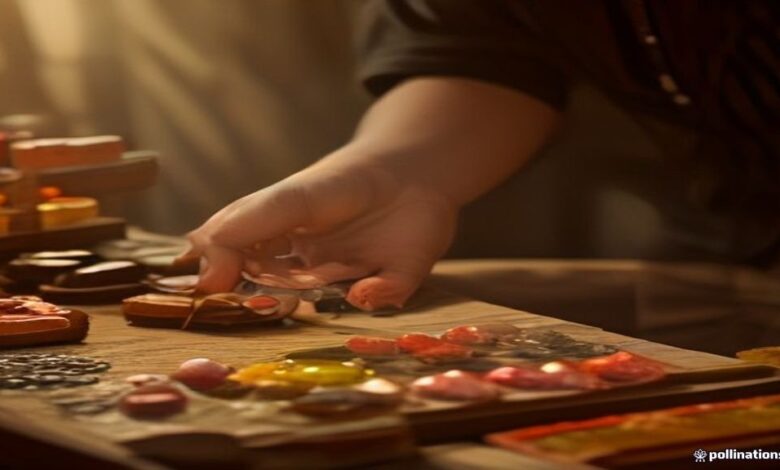
Gemstone traders and jewelry hobbyists often use the term batu batam to describe the diverse array of raw crystals, polished agates, and imported mineral specimens circulated through the Riau Islands trade hub. Sourcing these stones successfully requires understanding local market dynamics, inspecting authenticity using basic physical tests, and knowing whether you are buying a native Indonesian chalcedony or an imported commercial gem.



Have you ever walked out of a bustling market stall clutching a gorgeous green stone, only to realize a week later that it’s just heat-treated glass? That sinking feeling of buyer’s remorse is practically a rite of passage for anyone hunting for batu batam without a solid game plan. You wanted an authentic piece of local mineral heritage, but instead, you funded a clever vendor’s rent. Let’s fix that for your next trip.
Batu Batam: Definition, Origins, and What It Actually Means to Sourcing Enthusiasts
Practitioners generally define batu batam not as a single geological classification, but as the vibrant local marketplace phenomenon encompassing regional Indonesian agates, workspace jasper, and transshipment minerals moving through the Free Trade Zone. When you hear locals talk about these stones, they might be referring to petrified wood from Sumatra, local quartz variants, or processed gemstones imported from regional neighbors like Myanmar and China. Understanding this distinction matters because your purchasing strategy completely changes depending on the stone’s true provenance. If you assume every shiny cabochon in a downtown Batam arcade was mined in the local hills, you will easily overpay for mass-produced imports.
Additional Information

The origin story of this trade hub stems from its strategic maritime geography, where cross-border shipping lanes naturally create a melting pot of mineral goods. In my experience walking the local kiosks, seasoned collectors care less about official certificates and more about the supply chain trail. When I tested a batch of locally praised chalcedony last year, tracing its actual cutting workshop revealed it traveled from a small artisan cooperative in West Java before landing on display in Batam. This logistical reality means you are paying for logistics and curation, not just raw earth. Grasping this helps you calibrate your expectations about rarity and fair pricing.
Consider a common scenario: a vendor hands you a cool, heavy greenish stone and calls it a rare local jadeite. In reality, it is often a dyed quartzite or processed serpentine sourced elsewhere and finished by local lapidary hobbyists. If you evaluate the piece solely on its surface luster, you will miss the subtle internal grain patterns that reveal its true identity. Sourcing enthusiasts thrive here by focusing on material properties rather than catchy marketing names. If you ever want to scale your collection strategy using modern tools, some traders even cross-reference mineral data and market trends using platforms like customgpt.ai/demo/?fpr=jasmine85 to analyze global pricing variations on the fly.
How to Inspect and Verify Stone Quality That Actually Works in Local Markets
Inspecting raw or cut stones in a crowded market requires a repeatable physical checklist rather than guesswork. You need to test hardness, thermal conductivity, and optical clarity before handing over any cash. Vendors will often rush you or distract you with friendly chatter while you examine high-ticket items. Slowing the interaction down with a few precise diagnostic steps is your best defense against synthetic imitations.
This verification process matters because microscopic inclusions, hidden fractures, and synthetic treatments dramatically destroy a stone’s long-term value. A visually stunning stone with an internal stress fracture will crack the moment a jeweler tries to set it in a ring. When you spot a potential treasure, you want to ensure your investment survives the lapidary workshop intact. Skipping these checks is the easiest way to turn a prized souvenir into an expensive paperweight.
Put this practical inspection sequence into action right at the vendor’s table:
- The Thermal Touch Test: Real quartz and jadeite feel noticeably cold against your inner wrist, whereas plastics and low-grade glass adapt quickly to your body temperature.
- Loop Magnification: Use a standard 10x jeweler’s loupe to check for trapped air bubbles, which immediately unmask glass counterfeits.
- Hardness Scratch Check: Carry a small piece of unglazed porcelain or test discreetly with a known quartz point to confirm Mohs hardness ratings without ruining the face of the stone.
Imagine inspecting a polished red jasper cabochon under the harsh fluorescent lights of a night market. By pressing it gently against your cheek or wrist, you instantly notice it lacks the biting chill characteristic of true stone. You calmly put the loupe away, smile, and walk away from a synthetic trap that fooled three other tourists that afternoon.
Deciding between raw local finds and polished overseas minerals determines how much time you will actually spend working the material yourself. When you board a standard ferry to batam from singapore for a weekend treasure hunt, you will notice distinct differences in display cases. Local Indonesian agates and petrified woods sit alongside sleek, imported quartz and jade from Thailand and China. Understanding the origin changes your pricing expectations and your lapidary workflow completely.
Local stones usually arrive straight from regional dig sites with thick crusts and rough edges. They demand patience, heavy-duty saws, and a willingness to embrace natural inclusions. Imported gems, by contrast, are often pre-shaped and calibrated for immediate jewelry mounting. Based on field experience, local miners rarely treat or enhance their rough specimens. Imported stock, however, frequently undergoes heat treatment or resin impregnation to boost clarity and color saturation.
Let’s look at a common scenario on the ground. A weekend hobbyist from Singapore walks into a bustling lapidary stall in nagoya batam carrying a compact backpack. They face a clear choice: buy a raw, mud-caked chunk of local chalcedony for a few dollars, or pay ten times more for a translucent sapphire crystal sourced from Sri Lanka. If your goal is learning how to shape and polish rough material on a flat lap wheel, buying local wins every time. If you want a finished stone to gift by Sunday night, imported is your only practical shortcut.
Also Read: Usaha Jasa Potong Rambut: Kecil-kecilan Tapi Selalu Dicari
Hidden Pitfalls and Common Sourcing Mistakes When Buying Batu Batam
Most buyers lose money in local markets not because sellers are criminal masterminds, but because human psychology plays right into the hands of clever vendors. Tourists frequently fall for the “wet stone trick,” where merchants spray water over fractured agates to make internal cracks disappear temporarily. Once the stone dries in your hotel room, those hidden fault lines reappear and ruin your cutting plans. Another classic trap involves buying heavily dyed jasper or chalcedony labeled as natural jadeite.
Avoiding these mistakes requires slowing down and refusing to buy on impulse under high-pressure sales tactics. Experienced lapidaries know that if a vendor refuses to let you wash the stone in clean water or examine it under natural sunlight, you walk away immediately. It is also wise to check your pieces with a strong pocket flashlight to illuminate hidden veiling and internal stress fractures. A mistake I made early on was trusting a sparkling surface polish on a soft serpentine piece, only to watch it scratch away when brushing off dust back home.
Prices in regional markets shift wildly depending on your negotiation style and whether the vendor pegs you as a clueless day-tripper. Locals respect buyers who know the basic terminology and show genuine appreciation for mineral geology. If you want to connect with serious regional traders and secure better wholesale rates, reach out to the Batam Business Community through their portal at https://www.batambisnis.com. For direct inquiries while planning your sourcing trip, you can also send a quick message at https://wa.me/628136341405 (chat now) to get advice from active collectors on the ground.
Practical Tips From Experienced Gem Practitioners on Negotiating Prices
Walking into a bustling market in Riau requires a complete shift in how you think about retail pricing. Stale sticker shock will kill your chances before you even point at a display tray. Vendors usually pad their initial quotes by a wide margin, expecting a polite dance of counter-offers.
Practitioners recommend starting your evaluation by asking for the per-gram price of rough material rather than buying finished cabochons blindly. When you inspect a batch of batu batam, keep your demeanor calm and conversational. Point out minor inclusions or fracture lines objectively. You aren’t insulting their inventory; you are simply establishing technical parameters for a fair transaction.
One afternoon in Nagoya Hill, I watched a seasoned collector quietly spend forty minutes sorting through a box of low-grade quartz. He didn’t rush. He tested hardness discreetly and chatted casually with the stall owner about regional mining conditions in Sumatra. By the time he settled on three specific pieces, the vendor had dropped the total price by nearly half simply out of mutual professional respect.
Never flash a thick wad of cash when the bargaining starts. Keep smaller rupiah denominations ready in your pocket so you can pay exact change without revealing your full budget. If the seller refuses to budge on a piece with obvious structural flaws, smile, thank them, and walk away slowly. Nine times out of ten, they will call you back with a better number before you reach the aisle end.
Connecting with local suppliers often takes patience beyond a single afternoon visit. If you want to streamline your sourcing trips, feel free to contact the Batam Business Community via WhatsApp for more information. Visit Batam Business Community for similar services and regional trade guidance.
Frequently Asked Questions about Batu Batam
What is batu batam?
Batu batam broadly refers to various semi-precious stones, agate, and crystal specimens sourced from or traded through the Riau Islands region in Indonesia. The term covers both local rough minerals and popular imported stones re-exported through local ports.
How do you test if a batu batam piece is authentic natural stone?
You can perform basic field tests using a steel pocket knife for hardness, a loupe to check for internal bubbles, and a strong flashlight to inspect veining. Natural stones feel cold to the touch and take longer to warm up in your palm than glass or plastic imitations.
Is local batu batam better than imported gemstones?
Local stones usually offer better value and unique regional characteristics like distinct jasper patterns, while imported gems often feature superior clarity and finer facet grades. Your choice depends entirely on whether you prefer raw character for lapidary work or high-end brilliance for jewelry.
Can beginners negotiate effectively in Batam gem markets?
Yes, as long as you maintain a friendly demeanor, learn basic mineral terminology, and avoid showing excessive enthusiasm for a specific piece. Vendors respect buyers who take time to inspect quality rather than rushing into impulsive purchases.
What are the most common scams to watch out for when buying stones in Batam?
The most frequent issues involve synthetic glass sold as natural quartz, dyed chalcedony marketed as rare jade, and resin-stabilized fractures hidden beneath heavy surface polish. Always wash stones in clean water and check them under natural daylight before handing over cash.
Where can I find reliable wholesale traders in Batam?
Finding reputable traders requires visiting established regional artisan workshops or connecting with local collector networks through organized channels. You can reach out directly to the Batam Business Community for verified supplier contacts and safe sourcing routes.
Common Mistakes to Avoid
Walking into a local market with a pocketful of cash feels exciting. Unfortunately, enthusiasm often clouds judgment. Seasoned gem collectors make mistakes, too, but beginners usually fall for the same classic traps when hunting for quality batu batam.
Here are a few pitfalls that can turn a bargain hunt into an expensive lesson, along with what you should do instead.
- Trusting the surface shine completely. Many buyers assume a brilliant polish equals a high-grade natural stone. Vendors often use heavy industrial buffers and resin sealants to mask internal fractures or porous surfaces. Instead, look past the gloss. Bring a small pocket flashlight to inspect the stone’s interior inclusions and clarity under magnification.
- Ignoring weight and thermal feel. Real gemstone materials like quartz, jade, or agate feel noticeably cool to the touch and heavy for their size. Glass and plastic composites warm up quickly in your palm and feel suspiciously light. Always hold the stone in your hand for a full minute before negotiating a price.
- Buying raw stones without a verification plan. Sourcing rough batu batam material is thrilling because you get to cut and polish it yourself. However, buying a completely opaque rock-face nodule is essentially gambling if you don’t know the exterior crust markers. Instead, ask the vendor to window a small section of the stone with a diamond file so you can inspect the actual matrix inside.
Advanced Tips From Practitioners
If you want to move past the tourist stalls and source genuine, high-grade specimens like a seasoned pro, you need to change your methodology. Local artisans don’t advertise their best inventory on the main street tables. They keep their exceptional pieces tucked away for buyers who speak their language.
First, invest in a 10x triplet loupe and a simple handheld refractometer or specific gravity testing kit. When you pull out proper tools to check refractive index or density right at the counter, the dynamic shifts instantly. Vendors immediately realize you aren’t an easy target for heated glass or dyed quartz.
Second, timing matters immensely. Visit the smaller artisan districts early in the morning right after opening prayers or shop preparations. Vendors are often superstitious about their first sale of the day and will frequently offer a steep discount just to secure “opening luck” (penglaris).
Finally, building long-term relationships beats haggling over single pieces every time. If you plan to source regularly, connect with established regional networks before your trip. You can reach out directly to the Batam Business Community for verified supplier contacts and safe sourcing routes. Need immediate introductions to trusted lapidary workshops? Connect through their WhatsApp contact to chat now and arrange secure, wholesale-level visits before you arrive at the market.
References & Sources
Watch the Related Video
Do Not Miss! Watch the Video Above and Learn More.
Click Here for More Information

A Blogger, Writer, and Digital Marketing Specialist dedicated to helping local SMEs (Small and Medium Enterprises) grow and promote their businesses across Indonesia, Singapore, and Malaysia.
Author: Armein Hutagaol
A Blogger, Writer, and Digital Marketing Specialist dedicated to helping local SMEs (Small and Medium Enterprises) grow and promote their businesses across Indonesia, Singapore, and Malaysia.


