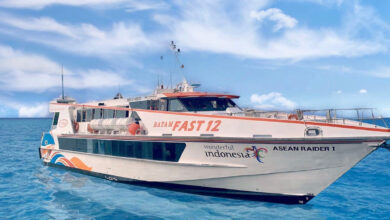
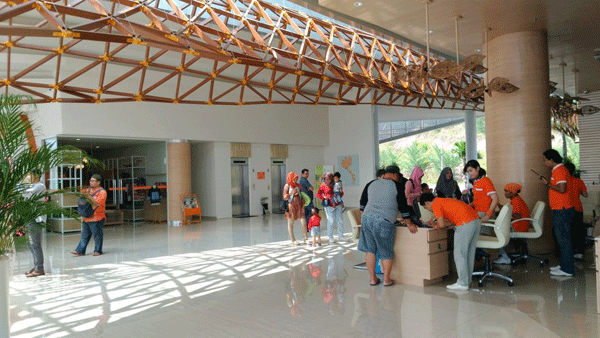
Just across the Malacca Strait from Singapore, Batam Riau operates as a sprawling duty-free manufacturing hub and weekend island escape defined by rapid industrial growth and maritime commerce. Most international visitors arrive via high-speed ferry from Tanah Merah or HarbourFront to experience cheap seafood, massage parlors, and sprawling shopping malls. However, looking past the polished tourist facade reveals a dynamic working city powered by shipyards, multinational electronics factories, and a distinct Malay-Indonesian culture that most resort guests completely miss.



Most travelers assume that stepping off the ferry into Batam Riau puts you right into a relaxing tropical getaway akin to Bali or Phuket. In reality, you are entering a high-octane industrial zone where manicured golf courses sit just minutes away from massive cargo ports and bustling ship repair yards. This juxtaposition is precisely what catches first-timers off guard. When I first brought a team over to scope out regional manufacturing partnerships, we realized the island demands a completely different operational mindset than a typical holiday destination. Understanding this dual identity is the single most important step in figuring out whether your upcoming trip will feel like an exhausting logistical puzzle or a genuinely rewarding escape.
What Is Batam Riau: Geography, Economy, and Status as a Free Trade Zone
Geographically positioned within the Riau Islands province of Indonesia, Batam functions as a designated Free Trade Zone sitting at a critical maritime crossroads just twenty kilometers south of Singapore. This special economic status means imported goods, machinery, and raw materials enter the territory largely exempt from regular value-added and luxury taxes. For businesses and local entrepreneurs within the Batam Business Community, this regulatory framework makes the island a prime staging ground for cross-border trade, light manufacturing, and export-oriented logistics. The local government actively shapes infrastructure around industrial parks rather than traditional tourism, which explains why you will see massive container trucks sharing the highway with weekend tour buses.
Additional Information

This economic setup matters immensely to you as a visitor because it directly dictates the island’s pricing structures, infrastructure, and physical layout. You aren’t visiting a remote cultural village; you are navigating a hyper-modernized industrial municipality built from the ground up over the last four decades. Take the sprawling district of Nagoya Hill, for instance. It serves as the commercial beating heart of the city, where sleek electronics malls sit side by side with local street food vendors and bustling corporate offices. If you mistake this working urban center for a sleepy beach town, your itinerary will crash hard against gridlocked traffic and heavy commercial development.
Let’s look at how this plays out during a standard weekday afternoon. Picture yourself trying to take a quick ride-hailing car from your downtown hotel to an industrial park in Sekupang for a site visit. You will likely hit patches of heavy congestion caused by shift changes at nearby manufacturing plants, reminding you instantly that Batam runs on factory schedules rather than vacation hours. Practitioners who know the local terrain will always schedule cross-town transit outside of peak morning and evening factory rush hours. Grasping this rhythm saves you hours of frustration and gives you a much truer appreciation of how the island actually ticks.
The True Cost of a Trip: Breaking Down Ferry Fares, Food, and Hidden Expenses
Calculating the real cost of a trip to Batam Riau requires looking far beyond the promotional baseline prices advertised by ferry operators and budget hotels. While a round-trip ferry ticket from Singapore generally costs around fifty to seventy Singapore dollars depending on the operator and weekend surges, your total spending quickly multiplies once you factor in terminal taxes, local transport, and dining. In most cases, a weekend traveler ends up spending significantly more than anticipated because they underestimate port fees and the cost of private car charters. If you are comparing operational tools or managing business expenses on the ground, some entrepreneurs even utilize advanced assistants like CustomGPT to model their cross-border budgets and track fluctuating logistical costs before deployment.
Controlling these expenses matters because hidden fees can easily double a seemingly cheap weekend getaway. Port departure taxes, visa-on-arrival fees for eligible nationalities, and surge pricing on local ride-hailing apps all chip away at your travel wallet before you even check into your accommodation. For example, grabbing a plate of fresh chili crab at a waterfront seafood kelong in Bengkong might look affordable on the menu, but live seafood is billed strictly by weight at prevailing market rates. A casual dinner for two can rapidly escalate once drinks, service charges, and local taxes are added to the final bill.
Consider a common scenario faced by first-time arrivals at the Batam Center Ferry Terminal. You might step off the boat hoping to flag a cheap metered taxi, only to find that official airport-style taxi cooperatives dominate the terminal gates with fixed, non-negotiable zone rates. If you haven’t pre-arranged a hotel pickup or downloaded local ride apps like Grab or Gojek ahead of time, you will likely pay a steep premium for that initial ride to your hotel. Smart travelers always prepare digital payments and local data roaming before departure to bypass these tourist traps entirely. For personalized local insights or to connect with regional operators, feel free to reach out to our team via WhatsApp contact to chat now and clear up any logistical doubts.
Why Singaporeans and Regional Travelers Keep Coming Back (And Where First-Tymers Go Wrong)
Ferries pulling out of HarbourFront Centre on a Saturday morning carry a very specific crowd. Weekend warriors chasing cheap massages, fresh seafood, and a quick reset from the intense pace of the Lion City make up the bulk of the passenger manifest. They keep returning because the value proposition is hard to ignore. A one-hour boat ride drops you into a completely different currency and cultural rhythm. Yet, the charm fades fast if you plan your itinerary using outdated blogs.
First-timers often make the critical mistake of treating batam riau indonesia like a sprawling metropolis with reliable public transit. They book a resort on the far eastern coast, plan a morning food crawl in Nagoya Hill, and expect a quick ten-minute hop between stops. In reality, traffic bottlenecks around industrial zones can turn a short map distance into a grueling forty-minute car ride. If you don’t factor in these transit delays, your weekend getaway turns into an endless commute inside a cramped vehicle.
Another classic rookie error involves underestimating peak holiday surges from neighboring countries. When public holidays align across Singapore and Malaysia, ferry terminals become chaotic human mazes. Customs lines stretch for hours, and hotel rates in popular districts double overnight. Experienced travelers check regional school calendars before booking a single ticket. That simple habit saves hours of frustration standing in sticky terminal queues.
Let’s look at how a typical weekend miscalculation unfolds in practice. Imagine arriving at Sekupang terminal without pre-booked transport during a heavy rainstorm. Local drivers swarm the exit doors quoting inflated flat rates because they know you have few alternatives. Smart planning means securing your digital rides or hotel transfers before leaving home. To compare notes with other frequent regional travelers, check out insights from the Batam Business Community for ground-level updates.
Difference Between Resort Batam and Urban Batam: Which Experience Fits Your Travel Style?
Choosing where to sleep defines your entire trip because the island splits into two distinct worlds. On one side, you have the gated resort bubbles tucked away in Nongsa. These properties feature sprawling pools, private beaches, and manicured lawns that look completely detached from the local economy. On the other side, urban hubs like Nagoya and Batam Center pulse with noisy street markets, bustling malls, and industrial grit.
Resort areas matter if your primary goal is absolute stillness and zero decision-making. You wake up to the sound of waves, eat every meal on-site, and rarely interact with the city’s chaotic traffic. However, this isolation comes at a steep price. Food and spa treatments inside resort compounds cost triple what you would pay just twenty minutes down the road in the city center. You pay for the safety bubble, but you miss out on the authentic local culture.
Also Read: Membeli Properti di Batam Panduan untuk Investor Pemula
Urban districts offer the exact opposite trade-off. Staying near shopping centers puts incredible street food, local coffee shops, and night markets right outside your lobby door. The compromise is sensory overload. Motorbikes buzz past your window at all hours, sidewalks can be unpredictable, and the atmosphere feels distinctly industrial. If you prefer exploring local life over lounging by an infinity pool, the city center is your natural habitat.
- Pick Nongsa if you want quiet beaches, family-friendly resort pools, and luxury golf courses.
- Choose Nagoya or Batam Center if you want cheap dining, massage spots, and easy shopping access.
- Factor in transit costs when picking your base, as cross-island trips eat up time and money.
Navigating Local Logistics: Border Crossings, Scams, and Practical Transportation Tips
Crossing international waters sounds daunting, but the immigration process itself is remarkably straightforward if your paperwork is flawless. Indonesia offers visa-free entry or Visa on Arrival for dozens of nationalities, but border officials check return ferry tickets strictly. Always print physical copies of your bookings. Digital boarding passes on cracked phone screens often cause unnecessary delays at busy immigration counters.
Once you clear customs, mastering reliable batam transport becomes your top priority. Traditional street taxis outside terminal gates often refuse to use their meters, preferring inflated fixed rates for foreign visitors. A better strategy involves walking past the immediate arrival lobby to flag an official ride-hailing vehicle or using a pre-arranged hotel driver. This small adjustment keeps your daily travel budget intact and prevents awkward haggling sessions under the hot sun.
Scams here rarely involve danger, but rather small tourist taxes on everyday transactions. Unlicensed money changers offering rates that seem too good to be true often short-change customers through sleight of hand. Stick to authorized bank kiosks inside shopping malls for currency exchanges, even if the rate is marginally lower. When you need real-time advice on avoiding common local pitfalls, feel free to chat now with our team for direct assistance.
Consider a scenario where a friendly driver offers to be your private tour guide for the entire day at a suspiciously low price. Halfway through the trip, you find yourself trapped at high-pressure souvenir shops or overpriced pearl farms where the driver earns a secret commission. Avoiding this requires setting clear boundaries and agreeing on total costs upfront before the ignition turns on. A little street smarts goes a long way toward ensuring a smooth and enjoyable journey.
Frequently Asked Questions about Batam Riau
What is Batam Riau and why is it famous?
Batam Riau is an Indonesian island and special economic zone located just a short ferry ride from Singapore. Practitioners often describe it as a unique industrial hub that doubles as a quick weekend getaway for seafood, golf, and affordable shopping. Its popularity stems primarily from its free trade status, which historically brought in heavy manufacturing while making consumer goods significantly cheaper for regional neighbors.
How do you get from Singapore to Batam Riau?
You can catch a high-speed passenger ferry from Singapore’s HarbourFront Centre or Tanah Merah Ferry Terminal directly to several terminals on the island, including Batam Center and Sekupang. The crossing generally takes around forty-five to sixty minutes depending on your destination port and sea conditions. Booking your tickets online a few days in advance is always smart, especially if you plan to travel during Singaporean public holidays or weekend peaks.
Is Batam Riau better for a day trip or an overnight stay?
That depends entirely on what kind of traveler you are and how much patience you have for immigration lines. A day trip works well if your main goal is grabbing a plate of local chili crab, getting a massage, and picking up snacks at a hypermarket. An overnight stay, however, lets you escape the urban bustle by checking into a coastal resort without feeling rushed by the evening ferry schedules.
Do I need a visa to enter Batam Riau?
Indonesia offers visa-free entry or visa-on-arrival options for passport holders from a large number of nationalities. You should always double-check current immigration policies right before your trip, as visa exemptions frequently change based on bilateral agreements. Make sure your passport has at least six months of validity remaining and plenty of blank pages for stamps.
What currency is used in Batam Riau and should I bring cash?
The official local currency is the Indonesian Rupiah (IDR). While major shopping malls and upscale hotels accept credit cards, you will definitely need cash for street food vendors, local transport, and traditional markets. Singapore Dollars are widely accepted by street merchants near the ferry terminals, but you will usually get a poor exchange rate compared to using local ATMs or authorized money changers.
How much money should I budget for a weekend trip to Batam Riau?
A comfortable weekend budget varies widely based on your lodging choices, but mid-range travelers generally spend around fifty to one hundred dollars per day. This estimate easily covers a comfortable hotel room, multiple fresh seafood meals, spa treatments, and basic taxi fares around the city. Luxury resort stays and green fees at international golf courses will push that daily average significantly higher.
Contact Batam Business Community via WhatsApp for more information. Visit Batam Business Community for similar services.
References & Sources
Watch the Related Video
Do Not Miss! Watch the Video Above and Learn More.
Click Here for More Information

A Blogger, Writer, and Digital Marketing Specialist dedicated to helping local SMEs (Small and Medium Enterprises) grow and promote their businesses across Indonesia, Singapore, and Malaysia.
Author: Armein Hutagaol
A Blogger, Writer, and Digital Marketing Specialist dedicated to helping local SMEs (Small and Medium Enterprises) grow and promote their businesses across Indonesia, Singapore, and Malaysia.