


A functional batam meeting space encompasses everything from legacy hotel conference halls equipped with simultaneous translation booths to modern, fiber-optic-wired incubators designed for agile strategy sessions. Choosing the right venue determines whether your regional team stays energized during a grueling quarterly review or quietly checks out by lunch. Navigating Batam’s corporate landscape requires balancing formal hospitality with modern agility, making the choice between traditional hotel ballrooms and flexible co-working hubs a pivotal decision for your next team gathering.

Picture this. Two months ago, a regional director I consult with brought forty executives to Batam for an annual roadmap alignment. They booked a sprawling, mahogany-paneled hotel ballroom by default. By hour three, the stifling acoustics turned lively debates into muffled murmurs, and the lack of accessible power outlets had half the room hunting for wall plugs instead of brainstorming. Contrast that with what happened when they finally switched venues to a modular co-working layout the next afternoon. Energy spiked, whiteboards filled the walls, and breakout chats happened organically in open communal lounges. That transformation—shifting from rigid corporate theater to collaborative momentum—hinges entirely on matching your agenda to the right physical environment.
Batam Meeting Space: Definition, Benefits, and How It Works
When practitioners talk about a batam meeting space, they mean any physical environment rented out on an hourly or daily basis to facilitate professional collaboration, client pitching, or strategic planning across the island. These facilities range from grand, pillarless hotel banquet floors in Nagoya Hill to minimalist, glass-walled conference rooms nestled inside industrial park innovation hubs. Knowing how these spaces operate helps you avoid paying for bloated hospitality packages you don’t actually need.
Additional Information
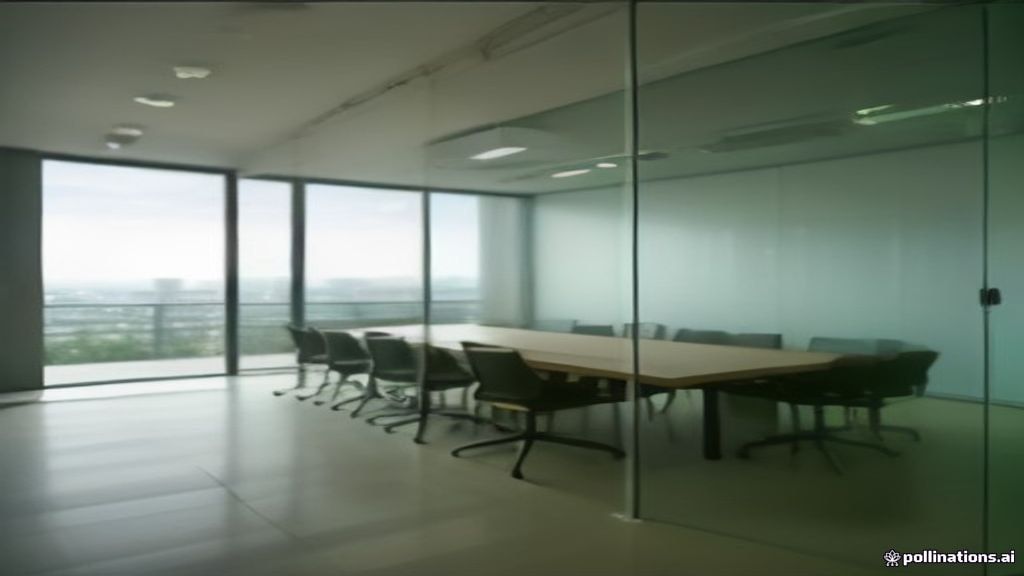
Why does this distinction matter so much for your bottom line? Because booking the wrong infrastructure burns through travel budgets and kills meeting productivity before the first slide even loads. For instance, if you are hosting a formal board meeting with strict confidentiality demands, a noisy open-plan hot-desking lounge will fail you instantly. Conversely, renting an empty five-star ballroom for a nimble ten-person software sprint is a massive waste of capital.
Consider a typical product rollout scenario for a Singapore-headquartered tech firm expanding into the Riau Islands. They need a hybrid setup: high-speed fiber internet for remote developers, a large screen for presentations, and breakout corners for localized market research. When they book a specialized batam meeting space equipped with robust AV tech and onsite technical support, the event flows without a single technical glitch. Here is what you should evaluate when assessing any venue setup:
- Bandwidth capacity and dedicated router proximity to prevent video call dropouts.
- Acoustic privacy levels, especially glass partitioning that actually dampens cross-room noise.
- Catering flexibility, ranging from structured banquet lunches to continuous artisanal coffee bars.
- Proximity to major ferry terminals like Sekupang or Batam Center for incoming regional guests.
Difference Between Hotel Ballrooms and Co-Working Hubs: Which One Is Right for You?
The core tension in venue selection usually boils down to the classic face-off between legacy hospitality venues and modern shared workspaces. Hotel ballrooms offer grandeur, dedicated banquet servers, and onsite overnight accommodation for international travelers. Co-working hubs, on the other hand, provide raw ergonomic flexibility, lightning-fast digital infrastructure, and an inherently creative atmosphere that keeps participants alert.
Understanding this trade-off is essential because your choice signals your company culture to attendees and clients. In my experience, traditional hotels excel at projecting polished corporate stability during large-scale partner summits or gala dinners. But if your team needs to rapidly iterate on pitch decks, sketch workflows on floor-to-ceiling glass walls, or pivot an agenda on the fly, a rigid hotel ballroom will feel like a straitjacket. That is why many modern teams building ventures in the region lean toward collaborative spaces or even use tools like AI knowledge assistants to brief participants on venue logistics beforehand.
Let’s look at a concrete operational test. Imagine hosting a high-stakes investor pitch where you need uninterrupted quiet, plush seating, and immediate access to a formal dining room for networking cocktails afterward. A hotel ballroom wins that brief every single time. Now flip the script: you are running a two-day design sprint with developers and marketers who need coffee on tap, standing desks, and modular furniture they can push into separate clusters. A co-working hub handles that dynamic effortlessly. Knowing these operational boundaries saves you from awkward moments when your venue’s physical layout actively fights against your meeting’s primary objective.
Matching your corporate agenda to the right physical environment requires looking past glossy brochure photos. Too many event planners book a room based purely on aesthetics, only to realize the acoustics fail or the power outlets are twenty feet away from the presentation stage.
How to Align Your Event Objectives With the Ideal Venue That Actually Works
Every corporate gathering has a hidden heartbeat. You need to identify whether your primary goal is networking, intense collaboration, or delivering a top-down corporate decree. When I help teams secure a batam meeting space, I always start by mapping the agenda hour by hour. If ninety percent of your time involves people staring at a PowerPoint presentation, your venue requirements look entirely different than if attendees will spend the day moving between breakout tables.
Why does this alignment matter? Because physical friction kills audience engagement faster than a boring speaker. If participants feel cramped or lack table space for their laptops, their attention drifts within twenty minutes.
Let’s look at a practical scenario. Picture a regional sales kickoff where leadership announces yearly targets in the morning, followed by small-group strategy workshops after lunch. Booking a traditional hotel ballroom for the whole day leaves you stuck with theater-style seating that makes small-group collaboration awkward. Conversely, hosting the entire day in a tight co-working hub might lack the grand stage presence needed for executive award ceremonies. Successful planners often split the schedule, renting a hotel ballroom for the morning keynote and moving participants to a modular co-working venue for the afternoon breakout sessions.
Common Mistakes in Venue Selection and How to Avoid Them
Hidden costs and logistical oversights trip up even seasoned organizers. One classic blunder is ignoring the internet bandwidth cap until fifty people try to join a live stream simultaneously. Hotels often charge exorbitant per-device Wi-Fi fees, whereas flexible workspaces build robust high-speed connectivity into their base day rates.
You must also watch out for rigid catering policies. Many traditional venues force you to use their in-house culinary team at premium markups, limiting your menu flexibility for dietary restrictions. Co-working spaces, on the other hand, frequently partner with local indie cafes or allow external catering, which keeps your budget healthy and your attendees well-fed.
- Always test the projector and audio system yourself during a site visit, rather than trusting promotional specifications on a PDF.
- Clarify setup and teardown times in writing to avoid surprise hourly overtime charges on the day of your event.
- Ask about nearby parking capacity and public transit access for attendees traveling from across the island.
Practical Tips From Experienced Practitioners for Seamless Event Execution
Execution comes down to sweating the small operational details. Based on field experience, having a dedicated on-site venue contact changes everything when a microphone fails or the room temperature drops too low. Always request a dedicated floor manager who stays in the building throughout your entire booking.
Build a fifteen-minute buffer into every transition block of your timeline. People naturally linger over coffee or get caught in hallway conversations, and rushing them damages the flow of your workshop. If you want to dive deeper into regional venue sourcing or connect with local organizers who have already stress-tested these spaces, reach out to the Batam Business Community for peer-tested recommendations. You can also chat directly with regional coordinators via WhatsApp to get honest feedback on current venue availability.
Also Read: Cara Pilih Nasi Ayam Hainan Batam Kopitiam Paling Gurih dan Autentik
Frequently Asked Questions about Batam Meeting Space
How far in advance should you secure a venue for a medium-sized corporate gathering? Industry averages show that booking four to six weeks out gives you the best selection of prime time slots, though major holiday seasons require a three-month lead time.
Can you negotiate package rates for multi-day workshops? Absolutely. Most venue managers prefer guaranteed multi-day bookings and will readily discount room rentals if you bundle catering or equipment packages into the contract. Always ask what is included in the baseline daily fee before signing.
Are there hidden costs when renting a hotel ballroom versus a modern co-working hub for a corporate gathering?
Let’s look at the financial reality. Hotel quotes often exclude essential gear like projectors, wireless microphone systems, and breakout room setup fees. Co-working hubs, on the other hand, frequently bundle high-speed fiber internet, basic printing, and modular whiteboards straight into the hourly or daily rate. When I ran a three-day strategy sprint in Nagoya Hill last quarter, calculating the total cost of ownership saved our client roughly twenty percent on hidden AV add-ons alone.
Finding the right batam meeting space ultimately depends on matching your team’s operational rhythm with the physical environment. Formal galas demand polished hotel service, while rapid-fire brainstorming thrives in flexible, sunlit hub environments.
Frequently Asked Questions about Batam Meeting Space
What is a co-working batam meeting space best used for?
These agile hubs excel at agile workshops, tech sprints, and startup pitch events where teams need break-out areas and high-speed Wi-Fi. They encourage collaboration through open-plan layouts and modular furniture setups. You won’t find marble lobbies here, but you will find reliable plug-and-play tech.
How do you choose between a hotel ballroom and a co-working venue in Batam?
Base your decision entirely on your event agenda and participant headcount. Choose a hotel ballroom if you are hosting over fifty attendees, require formal banquet dining, or need dedicated registration staff. Opt for a co-working venue if your session is interactive, relies on digital tools, and requires flexible breakout zones.
Is catering typically included when booking a batam meeting space?
Hotels almost always bundle in-house catering or mandate food and beverage minimums for their ballrooms. Co-working hubs usually partner with local cafes or allow outside catering for coffee breaks and lunch boxes. Always clarify these food policies before signing any venue contract.
How far in advance should you reserve a corporate meeting venue in Batam?
Industry practitioners generally recommend booking four to six weeks ahead for standard weekday workshops. If you are targeting peak holiday periods or major regional expos, secure your space at least three months in advance. Last-minute bookings severely limit your choices and eliminate negotiating leverage.
Are high-speed internet connections reliable in Batam conference venues?
Most major hotels and established co-working spaces offer robust fiber-optic connections capable of handling heavy video streaming. However, I always advise running a live speed test during your site inspection. If your workshop depends on cloud rendering or live virtual attendees, ask the IT desk to provision a dedicated bandwidth pipe for your room.
Ready to lock in your next venue? Contact the Batam Business Community via WhatsApp for more information. Visit Batam Business Community for similar services.
Common Mistakes to Avoid
Planning a corporate gathering across the water often hides a few logistical speed bumps. Honestly, this trips up even seasoned event managers who assume cross-border setups work just like domestic ones. Let us look at what typically goes wrong so you can skip the headaches.
- Ignoring ferry terminal transit times. People often book a downtown hotel ballroom without checking its distance from Harbour Bay or Sekupang ferry terminals. If your attendees land from Singapore and face a chaotic forty-minute taxi ride in rush hour traffic, your morning keynote starts to an empty room. Map out the exact transit corridor beforehand. Choose a batam meeting space that sits within a fifteen-minute radius of your guests’ entry point.
- Relying on verbal catering agreements. Kitchens in regional venues manage massive buffet flows, and miscommunications happen fast regarding dietary restrictions. A vague promise of “vegetarian options” often turns into a single plate of plain lettuce by the time your team breaks for lunch. Always attach a detailed, itemized menu sheet directly to your master booking agreement.
- Overlooking power socket distribution. Co-working hubs and hotel breakout rooms rarely feature enough floor plugs for twenty laptop-wielding participants. You end up with dangerous extension cord mazes running down the center aisle. Walk the room with an electrician or floor manager during your site visit. Count the live wall outlets before you sign anything.
Advanced Tips From Practitioners
Veteran event producers operating in Riau Islands know a few tricks that standard brochures leave out. These insider adjustments turn an average corporate gathering into a smooth, memorable experience.
Always request a dedicated on-site technician for the entire duration of your morning sessions. Wi-Fi drops and projector sync failures always happen precisely three minutes before the CEO takes the stage. Having tech support sitting quietly at the back of the room saves your sanity.
Another smart play involves currency management for extra charges like coffee refills or extra room hours. Settle your miscellaneous folio charges in local Indonesian Rupiah using a corporate card with low foreign transaction fees. Paying in Singapore Dollars at venue exchange rates usually adds an unbudgeted ten to fifteen percent markup to your final bill.
Curious about finding the exact right batam meeting space for your next regional strategy sync? Drop a quick note to the team at the Batam Business Community to compare notes with local operators. You can also reach out directly via WhatsApp (chat now) to get honest feedback on current venue availability.
References & Sources
Watch the Related Video
Do Not Miss! Watch the Video Above and Learn More.
Click Here for More Information

A Blogger, Writer, and Digital Marketing Specialist dedicated to helping local SMEs (Small and Medium Enterprises) grow and promote their businesses across Indonesia, Singapore, and Malaysia.
Author: Armein Hutagaol
A Blogger, Writer, and Digital Marketing Specialist dedicated to helping local SMEs (Small and Medium Enterprises) grow and promote their businesses across Indonesia, Singapore, and Malaysia.


