
Positioned along Batam’s dynamic southern coast, Bengkong Laut functions as a prime waterfront sub-district that bridges dense urban residential zones with emerging maritime commercial hubs. Property seekers exploring the area typically find a mix of older housing developments, high-rise luxury apartments overlooking Singapore’s horizon, and strategic land plots designated for mixed-use tourism. Understanding how local zoning intersects with actual physical development is what separates a profitable holding from a costly, ill-liquid trap.


The contractor stared at the surveyor’s tripod, wiped sweat from his forehead, and pointed silently at the exposed mangrove roots creeping past the concrete foundation marker. “The map says solid ground,” he muttered, “but high tide begs to differ.” That moment captures the exact friction point every serious buyer faces when peeling back the glossy marketing materials of a coastal Batam property launch.
Bengkong Laut: Definition, Boundaries, and the Real Estate Context
Bengkong Laut is a defined administrative kelurahan situated within the Bengkong district of Batam Island, Indonesia, specifically known for its sweeping coastal frontage facing the outer strait. Geographically, it spans from the older residential corridors near Golden Prawn down to the newer resort-style developments bordering Batu Ampar and Batam Center. In practical terms, this area operates as a transitional real estate zone. You get proximity to the downtown core without paying the hyper-inflated land prices of prime commercial centers like Nagoya.
Additional Information

Why does this specific spatial definition matter to your capital? Because real estate value here behaves entirely differently depending on whether your asset sits on the elevated inland side of the main arterial road or directly on reclaimed coastal mudflats. In my experience evaluating land parcels across Riau Islands, buyers often treat “Bengkong Laut” as a single homogenous market. That is a dangerous generalization. A plot sitting twenty meters above sea level with ready infrastructure carries a fundamentally different risk profile than a waterfront parcel requiring massive soil stabilization before a single brick goes down.
Picture a local investor who snapped up a cheap hectare of mangrove-fringed shoreline assuming permits would magically follow historical precedent. Two years later, new environmental enforcement stopped all heavy machinery cold, leaving him paying land and building taxes on a swamp he legally couldn’t fill. Meanwhile, an investor three blocks inland who bought a standard residential title quietly finished building a cluster of townhouses and leased them out to manufacturing executives within months. Location granularity is everything here, and relying on a standard zoning map without walking the property lines is a fast track to losing your deposit.
The Geography of Access: How Infrastructure Shifts Are Rewriting Property Values
Infrastructure in Batam does not grow in a straight line; it jumps forward whenever the Batam Indonesia Free Zone Authority (BP Batam) prioritizes a new arterial road to boost tourism or logistics. The geography of access in Bengkong Laut is currently defined by widening road networks that connect the coastal strip directly to the main highway bypassing Batu Ampar. When transit times drop from forty minutes to fifteen minutes during peak rush hours, the underlying economic utility of local commercial and residential spaces shifts dramatically.
You need to care about these civil engineering updates because accessibility dictates rental yields and resale velocity. If tenants have to crawl through congested, unpaved local shortcuts to reach their offices in Batam Center, your rental upside remains capped no matter how nice your interior finishing looks. Practitioners recommend tracking ongoing public works announcements rather than trusting developer promises about future bypass roads. When businesses can move goods and people efficiently, property values naturally decouple from speculative hype and anchor to real utility.
Consider what happened when the main coastal connector road was repaved and expanded last year. Properties sitting within a five-minute radius of the new access points saw immediate inquiries from logistics middle-managers and families seeking quieter suburban vibes close to work. Conversely, properties trapped behind narrow residential alleys saw zero capital appreciation, even as surrounding land prices climbed. To understand how modern spatial data models help predict these shifts, modern investors sometimes utilize tools like CustomGPT to sift through years of local zoning updates and municipal meeting transcripts in minutes.
Coastal Development Realities: Navigating Title Status, Land Rights, and Zoning
Buying property right on the water sounds like a dream until you look closely at the paperwork. In coastal pockets like bengkong laut, land titles often carry historical complexities that catch foreign and domestic buyers off guard. You might see a gorgeous plot overlooking the strait, only to discover the title is tangled in transitional forestry conversion permits. In my experience, skipping a thorough title chain audit here is the fastest way to turn an investment into a costly legal headache. Practitioners know that coastal boundaries shift over decades through natural accretion and erosion, making official boundary markers occasionally differ from physical reality.
Why does this matter for your long-term capital preservation? Indonesian land law treats coastal zones with strict environmental oversight, particularly regarding public access and mangrove protection belts. If a developer builds too close to the high-tide line without proper environmental impact assessments, local authorities can halt construction or issue demolition orders. I once walked a client through a half-built villa project where the lower retaining wall sat entirely within the state-controlled coastal buffer zone. The original buyer lost their entire principal because they trusted a verbal assurance from a local broker instead of verifying the spatial plan at the municipal office.
You need to look past the marketing brochures and demand to see the actual Sertifikat Hak Guna Bangunan (HGB) or Sertifikat Hak Milik matched against the official spatial layout plan (Rencana Detail Tata Ruang). When inspecting coastal land, always check whether the property holds a freehold status or sits on allocation land managed by the local authority. Properties with clear, split-off titles command higher resale values because commercial banks will actually finance them. If you want a smooth transaction, work with local legal experts who understand how regional land offices handle coastal parcels. You can also connect with the Batam Business Community to find vetted legal partners who specialize in untangling complex Batam property titles before you wire any deposit.
Comparative Analysis: Bengkong Laut Versus Batam Center for Long-Term Yields
Choosing between a quiet coastal retreat and a bustling urban core comes down to a simple math problem of rental yield versus capital appreciation. Batam Center delivers steady, predictable rental demand from corporate professionals, government workers, and young families who want to walk to malls and civic offices. Tenants there rarely care about ocean views; they care about commute times and reliable internet infrastructure. On the flip side, bengkong laut offers a slower, resort-style ambiance that attracts retirees, vacation home buyers, and affluent locals looking for weekend escapes.
Also Read: Kue Jaring Laba-Laba: Camilan Unik, Peluang Bisnis Menarik
Rental yields in urban hubs usually outperform coastal areas during economic downturns because urban housing serves an essential, non-discretionary need. However, coastal land supply is strictly finite, meaning long-term capital growth often outpaces standard urban apartments once surrounding infrastructure matures. Think about a mid-career professional who spends weekdays working near major commercial centers like m one batam, managing corporate logistics or retail operations. That same manager might gladly drive fifteen minutes south on weekends to unwind in a quieter waterfront neighborhood. Understanding this lifestyle pendulum helps you figure out whether your target tenant wants a permanent urban crash pad or a peaceful sanctuary.
- Urban core properties yield steady monthly rental income but suffer from higher inventory competition.
- Coastal land offers superior scarcity value, protecting your principal against long-term inflation.
- Tenant turnover runs faster in resort-style locations unless you target long-term expatriates.
Experienced investors often build a barbell portfolio, pairing a high-yield urban commercial unit with a scenic coastal plot for capital growth. This strategy balances immediate cash flow with long-term asset appreciation without overexposing your capital to a single real estate asset class. If you are weighing these two distinct markets for your next portfolio addition, chat now with the team at Batam Business Community to review current capitalization rates across both regions. You can also reach out directly via WhatsApp at https://wa.me/628136341405 to discuss specific neighborhood metrics with active local investors who know the ground realities firsthand.
Frequently Asked Questions about Bengkong Laut
What is Bengkong Laut and where is it located on Batam island?
Bengkong Laut is a prominent coastal and residential district situated on the southeastern side of Batam, Indonesia. It bridges the gap between older urban quarters and scenic waterfront landscapes, making it a natural focal point for both local commerce and coastal leisure developments.
How do you verify the land title status before buying property in Bengkong Laut?
You must always cross-check the property papers directly with the local National Land Agency office, locally known as Kantor Pertanahan, alongside verifying the allocation status with the BP Batam authority. I always advise hiring a licensed local land notary, or Pejabat Pembuat Akta Tanah, to run a physical title search and ensure the land allocation has no overlapping claims or unpaid Uang Wajib Tahunan Otorita fees.
Is investing in Bengkong Laut better than buying in Batam Center for long-term yields?
It depends entirely on your investment horizon and cash flow goals. Batam Center delivers immediate rental demand and steady monthly yields because it sits right next to government offices and major ferry terminals. Bengkong Laut, on the other hand, trades immediate high rental occupancy for superior capital appreciation driven by long-term coastal scarcity and tourism-focused infrastructure expansion.
What types of land titles are most common for coastal properties in Batam?
Most commercial and residential plots operate under the Allocation Right system tied to the regional development authority, which eventually translates into a Right to Build certificate known locally as Hak Guna Bangunan. Practitioners strongly recommend checking how many years remain on the title before making any financial commitments, as renewing these rights involves specific government fees and administrative timelines.
Can foreign nationals directly own land in Bengkong Laut?
Foreign investors cannot hold absolute freehold titles under Indonesian agrarian law. Instead, foreign nationals typically acquire properties through a structured PT PMA or secure long-term leasehold arrangements via official Right to Use certificates, known as Hak Pakai, provided they meet current immigration and investment criteria set by the central government.
What infrastructure projects impact property values in Bengkong Laut the most?
Road widening initiatives and coastal bypass projects historically drive the sharpest value increases in this district by slashing travel times to the central business and ferry zones. When municipal authorities upgrade drainage networks and widen arterial roads connecting the coastline to main thoroughfares, local property liquidity generally improves within two to three years.
Getting your strategy right in this market takes patience, local boots on the ground, and a healthy respect for regulatory details. If you want to dive deeper into specific parcels or need a second opinion on a deal structure, reach out directly to the experts at the Batam Business Community via WhatsApp for more information. You can also visit Batam Business Community for similar services.
Common Mistakes to Avoid
Stepping into the property market without local context usually leads to expensive lessons. Many eager buyers assume buying land anywhere in Batam follows the exact same playbook, only to run into bureaucratic hurdles later.
Here is what trips people up most often, and how to do it right instead.
- Skipping Physical Boundary Verification: Buyers often rely solely on paper certificates without walking the land. Paper maps can occasionally conflict with actual on-the-ground topography in coastal zones like bengkong laut. Always hire an independent surveyor to stake out the exact physical corners before signing any binding agreements.
- Ignoring Zoning Overlaps: Assuming a vacant plot is automatically cleared for commercial use is a classic beginner trap. A parcel might be designated for green space or future public utility expansion. Check the detailed spatial plan, known as the RTRW, with municipal planning offices to verify the exact land classification.
- Failing to Factor in Reclamation Rules: Waterfront properties sometimes include mudflats or mangrove fringes that seem ripe for filling. Indonesian environmental laws strictly protect coastal ecosystems, and unauthorized filling brings severe legal penalties. Work with certified local architects who understand maritime setbacks and environmental clearance procedures.
- Underestimating Holding Costs: Many investors calculate only the purchase price and expected resale value. Annual land and building taxes, maintenance fees for empty plots, and notary fees eat into margins quickly. Set aside a separate financial cushion for at least two years of holding costs.
Advanced Tips From Practitioners
Experienced investors rarely look at properties the same way casual buyers do. They treat every transaction as a puzzle involving municipal timing, infrastructure cues, and subtle shifts in regional economics.
If you want to operate like a seasoned insider when acquiring assets in bengkong laut, pay close attention to utility placement. Municipal water pipelines and fiber optic cable expansions often precede official commercial zoning announcements by six to twelve months. Following the trenching crews gives you a quiet head start on high-growth corridors.
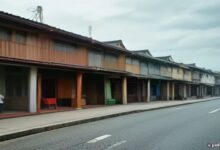
Another effective strategy involves looking past the current visual state of older shophouses or secondary plots. Cosmetic flaws scare away retail buyers, which creates room for savvy operators to negotiate steep discounts. A complete façade update combined with modern drainage solutions can flip a neglected asset into a high-yielding rental property.
Market dynamics shift quickly in Riau Islands, and having reliable partners makes all the difference. For tailored advice on structuring your next acquisition, connect with the experts at the Batam Business Community. You can also reach out directly via WhatsApp (chat now) to discuss current market trends with a knowledgeable local advisor.
References & Sources
Watch the Related Video
Do Not Miss! Watch the Video Above and Learn More.
Click Here for More Information

A Blogger, Writer, and Digital Marketing Specialist dedicated to helping local SMEs (Small and Medium Enterprises) grow and promote their businesses across Indonesia, Singapore, and Malaysia.
Author: Armein Hutagaol
A Blogger, Writer, and Digital Marketing Specialist dedicated to helping local SMEs (Small and Medium Enterprises) grow and promote their businesses across Indonesia, Singapore, and Malaysia.