



Situated within the bustling urban fabric of Batam, Bengkong Kolam is a densely populated residential and commercial sub-district known for its vibrant local markets, tight-knit community clusters, and unique blend of older village layouts and modern shophouses. Rather than being just another generic housing estate, this neighborhood functions as a self-sustaining ecosystem where traditional morning wet markets seamlessly bleed into modern roadside coffee stalls, shaping a distinct micro-economy on the island.
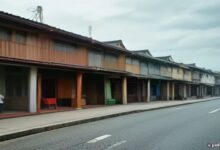


Most newcomers assume that finding a comfortable place to live or starting a small venture in Batam requires settling inside a heavily guarded, sterile expatriate enclave. That notion completely falls apart the moment you spend a single morning navigating the lively lanes of bengkong kolam. Through the lens of an early morning coffee run and a wrong turn down a bustling alley, this guide unfolds the genuine, unfiltered rhythm of life in this remarkable neighborhood.
Bengkong Kolam: Definition, Community Layout, and What Makes It Unique
Understanding this neighborhood requires looking past the surface asphalt and diving straight into its geographical and social anatomy. Bengkong Kolam spans a multi-tiered terrain where older residential kampung roots meet rapid commercial infill, creating a labyrinth of paved main roads branching into narrow, highly active residential alleys. This layout matters deeply because it dictates everything from your daily commute to how local businesses build trust and capture foot traffic. When I first scouted the area for local commercial opportunities through the Batam Business Community network, the sheer density of independent convenience stores and family-run food carts immediately stood out.
Additional Information
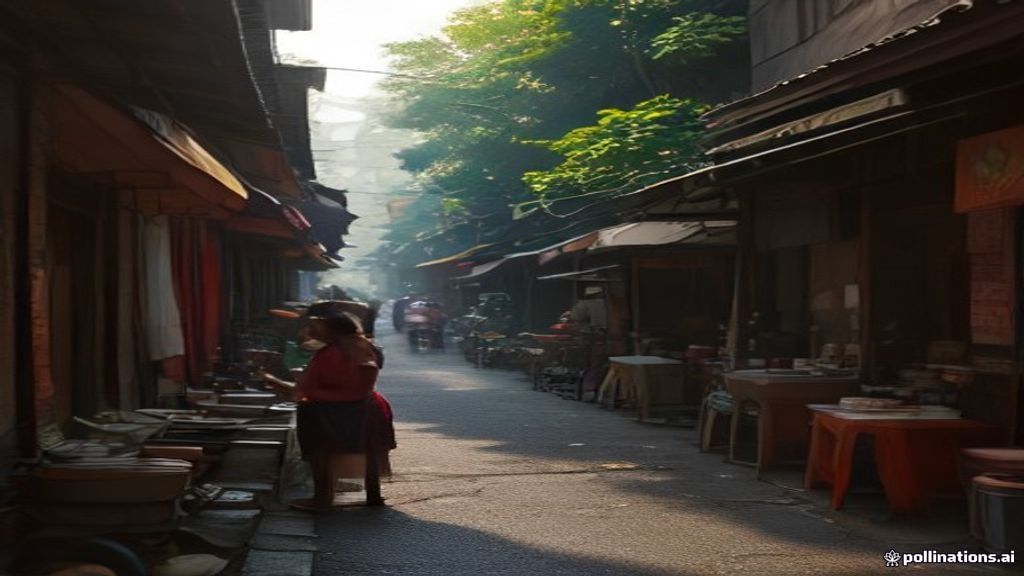
The neighborhood derives its unique character from its self-contained nature. Residents rarely need to travel far for daily essentials because micro-economies thrive on almost every corner. For instance, a typical block features a morning vegetable vendor operating right out of a garage, flanked by a motorcycle repair shop and a mobile noodle cart by evening. This density creates a profound sense of localized security and mutual reliance that you simply won’t find in planned suburban developments.
- The main commercial arteries handle vehicular traffic, heavy logistics, and established storefronts.
- The inner residential pockets operate almost entirely on foot and scooter traffic, prioritizing quiet living and community interaction.
- Edge zones seamlessly connect residents to broader Batam transport networks without sacrificing neighborhood charm.
Operating a business or settling down here means learning to read this spatial blueprint. If you try to apply rigid corporate zoning expectations to Bengkong Kolam, frustration follows quickly. Instead, practitioners who succeed here lean into the organic flow of the streets, respecting the invisible social boundaries that define where commerce happens versus where families rest.
The Daily Rhythm: How Local Commerce and Neighborhood Life Actually Work
Life here wakes up long before the sun fully clears the horizon. By five-thirty in the morning, the air fills with the low hum of motorcycle engines and the sharp, metallic clatter of rolling shop shutters opening up for the day. This early window is when local commerce is at its most authentic, driven by neighborhood aunties buying fresh tempeh and morning coffee drinkers discussing local updates at open-air tables. If you want to understand how deals are actually struck or how local reputation is built, you have to witness this dawn chorus firsthand.
This daily cadence matters because the neighborhood operates on relationship-driven commerce rather than flashy digital advertising. When a new resident needs plumbing repairs or reliable internet setup, they rarely Google an agency; they ask the nearest coffee stall owner or local grocer. During my early weeks working around the area, I watched a hardware supplier secure an exclusive neighborhood distribution deal simply by sharing morning coffee and casual conversation with three key community elders over the span of a fortnight.
Consider Pak Joko, who runs a modest provision shop near the main neighborhood lane. He doesn’t maintain a social media presence, yet his shop consistently outperforms nearby minimarts because he extends flexible credit to trusted neighbors and remembers the exact brand of cooking oil every regular customer prefers. That human-first approach is the beating heart of local commerce in Bengkong Kolam. Businesses that ignore this communal fabric usually struggle to retain customers, no matter how competitive their pricing might be.
Difference Between Mainroad Living and Inner-Alley Residences: Which Vibe Fits You?
Choosing where to sleep in Bengkong Kolam dictates your entire daily routine, right down to the soundscape that greets you at dawn. Mainroad properties offer instant access to asphalt, public transit flags, and storefronts that stay lit past midnight. Step off the main strip into the inner alleys, however, and the concrete jungle instantly gives way to quiet residential yards, children playing badminton on narrow paving blocks, and the gentle hum of ceiling fans. This layout mirrors urban development patterns across greater batu batam, where commercial arteries and quiet domestic pockets sit side by side.
Living along the main thoroughfare brings undeniable logistical perks. Delivery drivers find your doorstep in seconds, heavy groceries never require a long cart push, and commuting requires zero navigation through winding turns. Yet, that convenience carries a steep acoustic tax. You will hear roaring motorcycles at 2 AM, rumbling delivery trucks during dawn prep hours, and the constant hum of city traffic. Inner-alley residences trade convenience for profound peace. Visitors navigating these narrow lanes often marvel at how quickly the street noise vanishes just fifty meters off the primary road.
Inner-alley living requires accepting certain operational trade-offs. Four-wheeled vehicles rarely fit down these pedestrian-first paths, meaning house moves or furniture deliveries demand heavy lifting from the nearest parking pocket. Drainage can also vary sharply depending on elevation; lower alley pockets require sturdy raised foundations during heavy tropical downpours. In my experience, families with young children or remote professionals seeking quiet heavily favor the inner alleys, while active young entrepreneurs prefer the front-row bustle of the main street.
Hidden Culinary Gems and Local Markets Most Visitors Completely Miss
Most casual visitors stick to the brightly lit neon food stalls facing the main corridor, completely missing the culinary heart of Bengkong Kolam. The truly remarkable food sits tucked inside modest residential courtyards or operates out of unmarked home kitchens that open for barely three hours a day. Finding these spots requires ignoring aesthetic polish and following your nose toward woodsmoke, bubbling coconut milk, and roasting spices. Culinary explorers familiar with the wider food scene in batu batam will find comforting parallels here, though the neighborhood retains a distinct home-cooked character.
Take Mak Lina’s midday noodle cart, hidden behind an old auto-repair shed near the neighborhood boundary. She sets up two plastic tables under a mango tree every Tuesday and Thursday, serving a secret recipe passed down from her grandmother in West Sumatra. She doesn’t use delivery apps, and once her pot of beef broth empties at 1:30 PM, she packs up until next week. If you arrive late, you simply miss out. This scarcity mindset drives a fiercely loyal local following that values authenticity over convenience.
Also Read: Rumah Kecil, Rasa Bintang Lima: Transformasi Tipe 36 Jadi Estetik Maksimal
Navigating these micro-markets successfully demands a few unspoken local rules. Bring small cash denominations because vendors rarely carry change for large banknotes during the chaotic morning rush. Always greet the vendor with a friendly local phrase before placing your order; that simple gesture instantly shifts you from an anonymous tourist to an acknowledged neighbor. When you need guidance on local culture, logistics, or even settling into a property here, reaching out to the Batam Business Community provides invaluable local connections. You can also connect directly via WhatsApp to chat now with long-time residents who know every corner of the district.
- Arrive before 7:30 AM at morning wet markets to secure the freshest fish and vegetables.
- Always carry reusable bags, as neighborhood vendors appreciate sustainability over single-use plastics.
- Observe how locals queue and wait your turn patiently without cutting in.
Securing a smooth transition into Bengkong Kolam often comes down to mastering the subtle art of utility setup and community integration. When I first helped a colleague settle into a shophouse residence here, we spent an entire afternoon navigating local gas cylinder deliveries and municipal waste schedules. It taught me a valuable lesson: relying purely on automated apps will leave you stranded. Instead, walking down to the local RT (neighborhood leader) office with a polite introduction and your rental agreement solves logistical hurdles in minutes. Most long-time residents rely on neighborhood WhatsApp groups for everything from plumber recommendations to impromptu community security updates. Building these relationships early changes your entire daily experience from an isolating ordeal into a welcoming neighborhood embrace.
Frequently Asked Questions about Bengkong Kolam
What is Bengkong Kolam known for in Batam?
Bengkong Kolam is a vibrant, densely settled residential and commercial district on Batam Island, celebrated for its authentic neighborhood markets and dynamic local street food scene. Unlike manicured resort zones, this area offers an unfiltered glimpse into daily Indonesian urban life, featuring bustling alleyways, traditional kopitiams, and tight-knit community networks.
How do you get to Bengkong Kolam from Batam Center?
You can reach the district within 15 to 20 minutes by car or motorcycle taxi from the Batam Center ferry terminal, depending on traffic conditions along the main thoroughfares. Most ride-hailing drivers know the major entry points well, though navigating the inner residential alleys usually requires walking or a local ojek.
Is living in Bengkong Kolam better than staying in a resort area?
Choosing this neighborhood over a tourist enclave depends entirely on what kind of lifestyle you want to experience. If you prioritize pristine beaches and Western-style amenities, resort areas win hands down. However, if you crave genuine cultural immersion, incredibly affordable local dining, and a strong sense of community, living here provides an unmatched local experience.
How much should I expect to pay for rent in the area?
Rental prices vary widely based on whether you choose a standard inner-alley terrace house, a shophouse, or a property along the main commercial roads. Generally, basic local housing remains quite budget-friendly compared to waterfront developments, making it a favorite for long-term expatriates and local workers alike.
Are there English speakers in Bengkong Kolam?
English is spoken less frequently here compared to tourist-heavy zones like Nagoya Hill or Harbour Bay. Basic Bahasa Indonesia will serve you well, though local merchants are remarkably patient with hand gestures, translation apps, and friendly smiles.
How can I connect with local business owners or residents?
Reaching out to the Batam Business Community via WhatsApp provides invaluable local connections and guidance. You can also explore Batam Business Community for similar services and ongoing networking events.
Common Mistakes to Avoid
Moving into a bustling neighborhood like bengkong kolam brings a genuine slice of local Indonesian life, yet it certainly has a learning curve. Many newcomers stumble simply because they treat a traditional residential area like a polished, tourist-centric resort town. That mismatch causes frustration. Let us look at what usually trips people up.
- Relying entirely on card payments. Many first-timers assume local roadside vendors and neighborhood sundry shops accept digital cards or QRIS without issue. The reality? Cash remains king for daily wet-market veggies, morning coffee, and street food. Keep a steady stash of small Rupiah notes handy to avoid awkward moments at checkout.
- Ignoring local social rhythms. Treating the neighborhood like a 24-hour entertainment district will quickly alienate your neighbors. Local life in bengkong kolam starts early with the call to prayer and winds down significantly after evening meals. Respecting local rest times builds immediate goodwill.
- Neglecting proper pest prevention. Tropical living comes with humidity and active insects. Skipping routine drain clearing or leaving food uncovered invites ants and geckos instantly. Invest in proper airtight containers and natural repellents right away.
- Skipping community integration. Isolating yourself inside your compound makes daily problem-solving much harder. Instead of figuring out local utility bills or contractor hires alone, tap into local networks. Connecting through the Batam Business Community opens doors to reliable neighborhood recommendations. You can even reach out directly via WhatsApp to chat now if you need immediate local guidance.
Advanced Tips From Practitioners
Anyone can rent a house and buy groceries, but thriving in bengkong kolam takes a bit of insider street smarts. Long-term residents and local business operators learn to navigate the micro-economy through patience and observation. These seasoned strategies save time and money.
First, master the art of building direct relationships with independent service providers. When an air conditioner leaks or a pipe bursts, calling a corporate hotline usually results in inflated prices and long wait times. Instead, ask your local neighbors for their preferred neighborhood handyman’s phone number. Once you find a reliable local artisan, pay them fairly and on time. They will prioritize your emergencies for years to come.
Second, learn how to time your supply runs. Heavy traffic and bustling market hours can turn a simple ten-minute errand into an exhausting ordeal. Mornings before eight offer the freshest produce and coolest weather, while mid-afternoons provide a quiet window for administrative tasks. Adapting your daily schedule to the natural heartbeat of bengkong kolam transforms daily friction into effortless routine.
References & Sources
Watch the Related Video
Do Not Miss! Watch the Video Above and Learn More.
Click Here for More Information

A Blogger, Writer, and Digital Marketing Specialist dedicated to helping local SMEs (Small and Medium Enterprises) grow and promote their businesses across Indonesia, Singapore, and Malaysia.
Author: Armein Hutagaol
A Blogger, Writer, and Digital Marketing Specialist dedicated to helping local SMEs (Small and Medium Enterprises) grow and promote their businesses across Indonesia, Singapore, and Malaysia.


