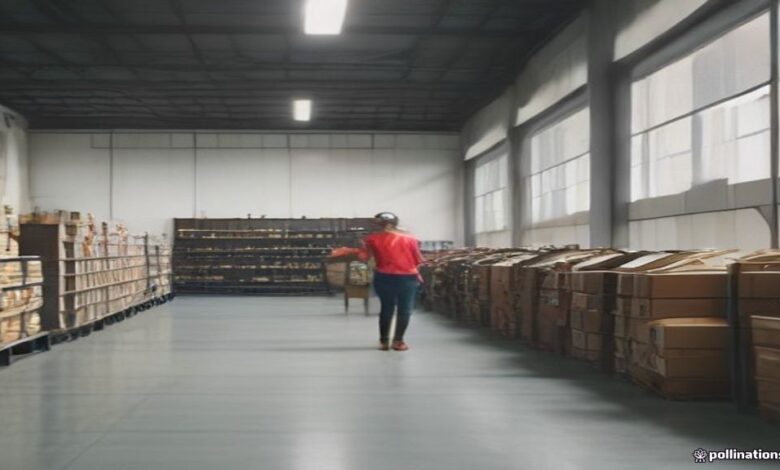
Sourcing surplus apparel through a factory outlet Batam trip involves navigating a unique pipeline of garment overruns, export cancellations, and warehouse liquidations sitting just an hour away from Singapore. Savvy cross-border buyers visit these specific retail hubs to secure branded apparel at a fraction of standard retail costs, provided they know how to separate genuine factory excess from local imitations. Because these items typically originate from Southeast Asian manufacturing plants fulfilling major international orders, inventory changes weekly and requires a sharp eye for quality control.



Generally, first-time visitors are surprised to learn that up to half of the apparel racks in these warehouse stores consist of export overruns that international brands manufactured in excess to guarantee fulfillment of their retail quotas. When I first started scouting these locations for the Batam Business Community, I assumed every tagged item was a defective reject. In reality, practitioners quickly learn that standard overruns are often pristine items simply left behind after a brand closes its seasonal production run across nearby industrial parks.
Factory Outlet Batam: Definition, Benefits, and How It Works
A factory outlet Batam establishment operates as a direct-to-consumer storefront that liquidates garment factory surplus, canceled export orders, and seasonal overruns originating from regional textile manufacturing hubs. Instead of shipping unsold inventory back to Western markets or paying high storage fees, brand contractors route these garments to local retail spaces across districts like Nagoya and Batam Center. This setup matters because it grants everyday shoppers access to original global brand merchandise without paying mall-markup prices or waiting for annual clearance events.
Additional Information

The primary benefit here is the sheer discount margin, which regularly sits between forty to seventy percent off original retail price tags. You also get access to styles and sizes that sometimes never made it to traditional Southeast Asian shopping malls due to canceled regional distribution deals. For instance, picture walking into a nondescript warehouse space near the ferry terminal and finding fifty winter coats meant for a Canadian department store—items that have zero local market demand, priced at a flat rate to clear floor space.
Understanding how this supply chain works changes how you shop entirely. You cannot walk in expecting a full size run of every color, because inventory is strictly tied to whatever overproduction or sample batch the factory happened to push out that month. If you find a jacket that fits you today, you buy it immediately. Hesitating means losing it, as restocks of the exact same item practically never happen.
- Identify your preferred brands before visiting specific outlets in Nagoya Hill or Batam Center.
- Inspect inner tags to determine if the item is a pure export overrun or a secondary production run.
- Check garment seams and hardware closely, since surplus items occasionally miss final quality control checks.
Why Batam’s Garment Surplus Industry Operates Differently Than Traditional Malls
Batam’s surplus retail ecosystem thrives on industrial proximity rather than corporate retail planning. Traditional malls buy inventory through authorized regional distributors with fixed pricing structures and predictable seasonal deliveries. Factory outlets here operate more like liquidators, snapping up container loads of mixed apparel straight from manufacturing plants in Indonesia, Vietnam, or Cambodia. This matters because it means retail pricing is entirely fluid and heavily dependent on the specific batch a store manager managed to secure that week.
When I tested a newly opened outlet near the port last season, the floor manager explained that their stock arrived in giant, unsorted bales directly from a nearby cut-and-sew facility. Workers literally steam the garments, clip loose threads, and hang them directly onto the sales floor within forty-eight hours of arrival. This raw operational model creates a treasure-hunt environment where you might dig through three racks of generic polo shirts before unearthing a rare, high-end technical shell jacket for a fraction of its true value.
Managing your expectations around this operational style prevents immense frustration during your trip. You won’t find pristine displays, matching outfit sets, or helpful floor staff trained in boutique styling advice. Instead, you’ll find packed racks, handwritten clearance signs, and sizing systems that require you to physically hold a garment against your shoulders to check the fit. If you want a structured retail experience with a return policy, stick to the modern air-conditioned malls in downtown Nagoya. If you want genuine wholesale-tier surplus pricing, you accept the warehouse chaos as part of the adventure.
Navigating this unpolished surplus landscape successfully requires keeping a sharp eye on how much you bring back across the water, because crossing international maritime borders introduces strict legal boundaries.
Authentic Export Overruns Versus Local Replicas: How to Spot the Difference
When you’re browsing racks at a typical factory outlet batam, distinguishing genuine factory surplus from clever local imitations becomes your most valuable skill. Genuine overruns usually display subtle imperfections, mismatched sizing tags, or inside brand labels that have been cleanly clipped by the manufacturer to prevent retail contract breaches. Local replicas, by contrast, often look suspiciously uniform, featuring pristine packaging and complete sets of swing tags that rarely match the actual fabric quality.
Why does this distinction matter so much for your wallet? Authentic surplus items use actual technical fabrics—such as true Gore-Tex membranes, heavy-gauge YKK zippers, or genuine mercerized cotton—sourced directly for major global brands. Local copies might mimic the visual print or embroidery, but they typically use cheap polyester blends that shrink after a single wash cycle.
A mistake I made early on involved buying what looked like a stellar merino wool sweater near a popular commercial hub, only to discover the seams dissolving into fuzzy lint during its first gentle wash.
- Check the interior care label for specific factory codes or RN numbers that correspond to known apparel contractors.
- Inspect the stitching density closely along high-stress areas like armholes and collar seams; industrial overruns boast tight, uniform lockstitching.
- Test the hardware, as genuine surplus almost always features branded metal zippers and custom snap buttons rather than generic plastic alternatives.
Experienced cross-border shoppers know that if a rack features every single size from XS to XXL in five different colorways for a brand-new release, you are likely looking at standard local reproduction stock rather than authentic factory surplus.
Hidden Import Taxes, Custom Limits, and Luggage Allowance Traps to Watch Out For
Bringing home a massive haul of discounted clothing sounds incredible until you face unexpected customs duties at your home port or ferry terminal. Customs authorities maintain strict duty-free personal exemption limits for goods brought across international borders, and exceeding these thresholds triggers immediate taxation or confiscation. Many travelers assume that because items were bought cheaply at a warehouse, official valuation officers will accept marked-down clearance receipts as the true value.
In reality, customs inspectors often assess items based on estimated retail market value rather than what you actually paid in cash. This means a bag full of twenty “factory price” jackets might be evaluated at full retail price, quickly pushing you past your legal tax-free allowance.
Picture this common scenario: a shopper spends the afternoon loading up multiple large duffel bags near mega mall batam, feeling triumphant about saving a fortune on winter coats. They arrive at the ferry terminal confident, only to be pulled aside for a random baggage X-ray scan. Because the total perceived value of the garments exceeds the personal exemption limit, they spend two stressful hours paying hefty import duties that completely erase their initial savings.
To prevent this nightmare, seasoned travelers keep detailed itemized receipts, remove obvious store price tags to signal personal use rather than commercial resale, and never travel with excessive quantities of identical items. If you plan a major shopping expedition, check out resources provided by the Batam Business Community to stay updated on current regional trade policies and passenger allowance rules. You can easily reach out directly through their official portal at Batam Business Community or connect via WhatsApp at chat now for personalized travel and sourcing insights from local experts who make this trip every single week.
Frequently Asked Questions about factory outlet batam
What is a factory outlet batam?
A factory outlet batam is a retail store or warehouse space selling surplus garments, export overruns, and canceled export orders directly to consumers. These items typically come from local manufacturing plants that produce clothing for international brands. Shoppers visit these locations to purchase brand-name apparel at a fraction of standard retail prices.
How do you spot authentic export overruns at a factory outlet batam?
Authentic overruns usually feature minor sewing flaws, clipped brand tags, or mismatched sizing labels rather than uniform perfection. When I inspect garments, I always check the fabric composition label against the manufacturer’s known output for that region. Counterfeits often use cheap synthetic blends, whereas genuine factory surplus matches the heavy cottons and technical weaves specified by original global brands.
Is shopping at a factory outlet batam cheaper than buying online?
Bargain prices are standard here, but total savings depend heavily on your travel and customs expenses. Buying a single shirt won’t offset your ferry ticket and local transport costs. However, if you load up a suitcase with several winter coats or branded jackets, the per-item savings easily beat online retail pricing.
What are the custom duty limits when returning from Batam?
Indonesian and Singaporean customs enforce strict personal exemption thresholds for goods brought across international waters. Exceeding these duty-free limits triggers immediate import taxes calculated on full retail value rather than your discounted purchase price. Practitioners recommend keeping detailed itemized receipts and removing store tags to clearly signal personal use.
Also Read: Inilah Peluang Bisnis Pertanian yang Menguntung di era Pandemi Yang Menjanjikan
Why do clothing prices fluctuate so much between different outlets?
Surplus inventory arrives in irregular batches based on production cycles in regional manufacturing plants. One week you might find racks of winter jackets, while the next delivery brings summer activewear. Pricing drops sharply when a warehouse needs to clear floor space quickly for incoming shipments from neighboring industrial zones.
Can you bargain or negotiate prices at a factory outlet batam?
Fixed pricing is common at established indoor outlets, but smaller independent vendors often leave room for negotiation. Buying multiple pieces or pointing out minor stitching defects gives you leverage to ask for a bundle discount. It never hurts to politely ask the cashier if they can shave a bit off the total.
For more information, contact Batam Business Community via WhatsApp. Visit Batam Business Community for similar services.
Common Mistakes to Avoid
Stepping into a bustling bargain warehouse for a quick wardrobe refresh is exciting. Yet, seasoned shoppers often watch newcomers make the exact same costly errors during a trip for a factory outlet batam haul. Let’s look at what usually goes wrong and how you can save your hard-earned cash instead.
Skipping the inspection mirror. Many buyers grab a stack of shirts, pay in a hurry, and head straight back to the ferry terminal. This is a gamble. Surplus stock often sits in dusty bins or has minor factory seconds like a missing button or crooked hem. Always inspect seams, zippers, and linings under bright fitting room lights before handing over your money.
Ignoring customs allowance limits. Bringing back a massive suitcase stuffed with brand-new tags attached screams commercial resale to customs officers. Officers at the port enforce strict personal-use limits. Smart travelers wash or wear a few items on the trip back, discard original store packaging, and keep itemized receipts handy to prove everything is for personal use.
Falling for fake urgency tactics. Store staff love to whisper that a particular rack of jackets is leaving the floor forever. You panic-buy three coats you don’t actually need. Outlets rotate stock constantly, meaning fresh shipments arrive weekly. Walk away if an item doesn’t fit your daily style; another great piece is always right around the corner.
Neglecting local currency and payment methods. Relying entirely on plastic cards can slow you down at smaller independent stalls. Many hidden gems prefer cash or local QR payments over international cards with high conversion fees. Keep enough Indonesian Rupiah on hand so you never miss out on a steep markdown.
Advanced Tips From Practitioners
Experienced bargain hunters treat retail scouting like a sport. They don’t just wander around hoping to get lucky. They time their visits, build relationships, and know how local logistics operate behind the scenes.
Plan your warehouse runs right after mid-week inventory restocks, usually on Tuesday mornings. Weekend crowds pick the shelves clean and leave behind broken sizes. Visiting midweek means you get first pick of fresh crates shipped straight from regional manufacturing zones.
Build a friendly rapport with floor managers if you frequent a particular factory outlet batam location. Staff members often hold back unique shipments or single-piece samples for regulars who treat them with respect. A simple smile and a polite chat go a much longer way than aggressive bargaining.
Want to stay updated on upcoming warehouse clearances or connect with local trade networks? Reach out to the Batam Business Community for insider guides and regional updates. You can also chat directly with them via WhatsApp at chat now to plan your sourcing itinerary efficiently.
References & Sources
Watch the Related Video
Do Not Miss! Watch the Video Above and Learn More.
Click Here for More Information

A Blogger, Writer, and Digital Marketing Specialist dedicated to helping local SMEs (Small and Medium Enterprises) grow and promote their businesses across Indonesia, Singapore, and Malaysia.
Author: Armein Hutagaol
A Blogger, Writer, and Digital Marketing Specialist dedicated to helping local SMEs (Small and Medium Enterprises) grow and promote their businesses across Indonesia, Singapore, and Malaysia.