Positioned within one of Indonesia’s most dynamic cross-border economic zones, diamond pavilion batam represents a modern residential and commercial enclave tailored for investors chasing high capital appreciation near the Singapore-Malaysia shipping lanes. Property analysts generally categorize this development as a integrated mixed-use precinct designed to capture the growing influx of expatriates and affluent local business owners looking for secure, managed community living. Evaluating this asset requires looking far past the glossy artist renderings and glossy sales pitches to understand how land titles, local municipal regulations, and long-term holding costs actually intersect in the Riau Islands.



Let’s be completely honest with each other: parsing through property prospectuses in a cross-border free trade zone is genuinely not easy. Regulations shift, developer incentives mask underlying structural fees, and marketing brochures rarely tell the whole story of what your cash will face over a ten-year holding period. That exact layer of complexity—and the confusion it causes everyday investors—is why this investigative piece exists on BatamBisnis.Com today.
Diamond Pavilion Batam: Definition, Property Overview, and Market Position
At its core, diamond pavilion batam is a master-planned property project combining residential housing units with strategic commercial spaces, aimed squarely at the upper-middle-class demographic. Developers structured this enclave to offer gated security, modern minimalist architecture, and integrated lifestyle amenities like clubhouses and commercial strips. In my experience walking through similar developments across the island, these projects sell a lifestyle of effortless prestige. Yet, understanding its true market position means looking at how it compares to older, established townships in Batam Center or Nagoya.
Additional Information
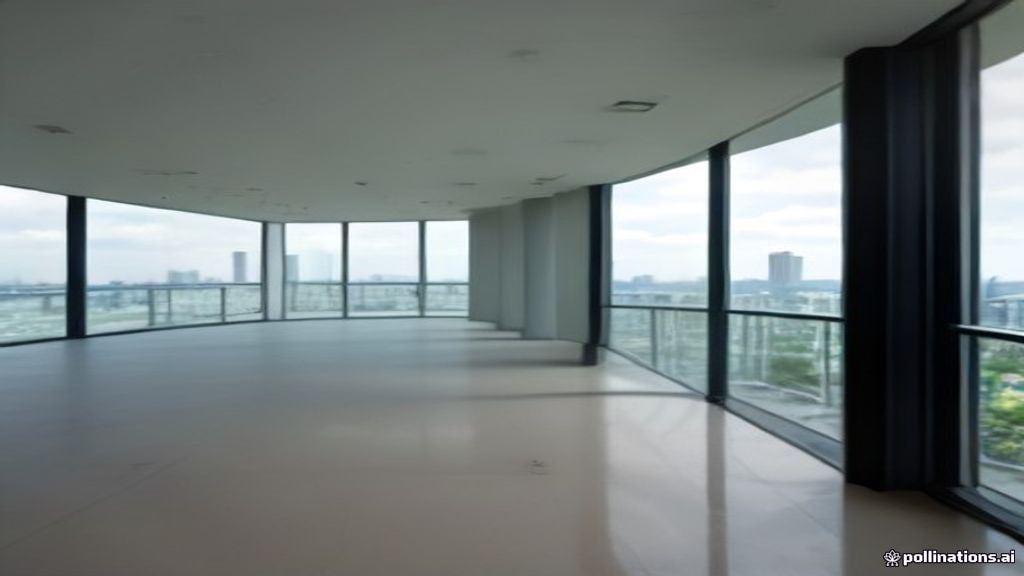
This positioning matters immensely because your potential for rental yields or secondary resale depends entirely on supply dynamics in the surrounding neighborhood. If hundreds of similar units launch within a three-kilometer radius, tenants suddenly hold all the leverage, forcing landlords to compete aggressively on price. For instance, an investor who bought a three-bedroom unit expecting an immediate eight percent rental return might suddenly find themselves undercutting neighboring landlords just to cover monthly bank installments. Market position dictates liquidity, and liquidity is the single factor most buyers forget to calculate until they desperately need to sell.
Consider the real-world scenario of Pak Joko, a Jakarta-based entrepreneur who purchased a shophouse unit here assuming rapid commercial leasing. He envisioned bustling cafes and tech startups queuing up for space the moment the keys handed over. In reality, foot traffic took over two years to materialize because the surrounding secondary infrastructure lagged behind residential handovers. Joko had to absorb carrying costs out of pocket for twenty-four months, teaching him an expensive lesson about timing market entry versus developer optimism.
The Hidden Costs of Diamond Pavilion Batam: Maintenance, Taxes, and Fees Developers Rarely Mention
Buying property in a managed enclave involves financial obligations that stretch far beyond the initial booking fee and standard down payment structure. Practitioners in the Riau property sector consistently warn clients about recurring operational costs that quietly eat into net yields year after year. Developers love highlighting the sticker price, but they rarely emphasize the compounding effect of monthly maintenance fees, sinking funds, and municipal land and building taxes. If you model your cash flow purely on mortgage payments versus projected rent, you are setting yourself up for a nasty surprise.
Understanding these hidden overheads protects your capital from slowly bleeding out through operational friction. Maintenance fees cover security, common area landscaping, and facility upkeep, but these costs almost always adjust upward as the infrastructure ages and major repairs become necessary. Furthermore, foreign nationals or corporate entities holding titles through specific legal arrangements often face distinct administrative fees that local buyers never encounter. Transparency is rare during the sales process, meaning you have to dig into the fine print of the master management agreement before committing.
Imagine receiving your first annual statement and discovering that your net rental yield has shrunk by thirty percent due to unexpected estate management levies and property tax re-assessments. To avoid this trap, experienced investors routinely audit similar local developments by checking real-world fee structures through networks like the Batam Business Community. If you want to run complex financial models or cross-reference title deed regulations with historical data, tools like CustomGPT can help synthesize unstructured municipal documents into clear checklists. Do not let hidden operational overhead turn your dream asset into a cash drain; chat now with local advisors to get an honest breakdown of the actual numbers before you sign any binding agreements.
Marketing glossies always show a pristine, finished community surrounded by lush greenery and vibrant commercial hubs. Yet, the timeline between putting down your deposit and actually grabbing the keys is rarely a straight line.
Marketing vs. Reality: How Brochure Promises Compare to Actual Delivery Timelines
Shiny brochures for developments like diamond pavilion batam often paint a picture of overnight transformation. Practitioners on the ground know that master-planned projects across batam kepri regularly hit speed bumps during land clearing, utility hookups, and final municipal permitting.
Why does this delay happen? Construction schedules depend heavily on raw material logistics, seasonal weather patterns, and shifting local labor availability.
Imagine you buy an off-plan unit promised for completion within eighteen months. Realistically, bureaucratic sign-offs and supply chain snags can stretch that window out to thirty months or more.
- Factor local holiday periods (like Lebaran) into your construction timeline calculations.
- Always request a written penalty clause for developer delays before signing the booking form.
- Cross-check the developer’s past project delivery history instead of relying solely on current renders.
When handover dates slip, your carrying costs—such as bank loan interest or ongoing rent where you currently live—pile up fast. That unexpected lag eats directly into your projected return on investment.
Smart buyers treat developer timelines as optimistic estimates rather than hard guarantees. If a project manager tells you construction is running smoothly, drop by the site unannounced on a Tuesday afternoon to see the actual crew size and activity level for yourself.
Difference Between Primary Market Buying and Secondary Resale at Diamond Pavilion Batam
Choosing between buying direct from the developer or picking up a unit on the resale market changes your entire financial exposure. Primary market purchases offer structured payment plans and early-bird discounts, but you carry the full risk of construction delays.
Secondary resale units, by contrast, let you inspect the physical build quality with your own eyes before spending a dime. You can walk through the rooms, check for water stains, and talk to immediate neighbors about estate management issues.
Liquidity also behaves differently between these two avenues. When you buy a pre-construction property at diamond pavilion batam, you are locking your capital up until completion, making it tough to exit early if your personal financial situation shifts.
Resale properties in established pockets of batam kepri offer immediate tenancy potential. You can start collecting rent from day one, which helps offset your mortgage obligations right away.
Think about a common scenario I see often in the field. An eager investor buys a primary unit to chase capital appreciation, only to find themselves stuck holding an illiquid asset when an emergency forces a quick sale.
Resale buyers usually inherit whatever community quirks and maintenance backlogs already exist in the estate. Primary buyers get a fresh start, but they also serve as the guinea pigs for any teething problems the building management hasn’t ironed out yet.
Weighing these trade-offs requires looking past the glossy sales pitch and evaluating your own timeline for cash flow. If you want steady, predictable income without waiting years for concrete to dry, secondary assets often make far more practical sense.
Navigating property acquisitions across Riau Islands requires a sharp eye for local regulatory nuances. When I advise clients looking at developments like diamond pavilion batam, I always stress the importance of verifying developer track records firsthand. Walk past their previous completed projects. Look closely at how the paint ages, listen to how residents describe the estate management during water rationing periods, and check if the title deeds were issued on schedule. You want to see execution, not just glossy marketing renderings.
Property laws governing foreign ownership and strata titles in Batam also carry specific quirks that shift year by year. Local practitioners recommend keeping a dedicated legal buffer in your budget to review the Deed of Sale and Purchase, locally known as AJB, alongside the Land Office records. Skipping this step to save a few million rupiahs frequently backfires when structural disputes or boundary adjustments surface years later. Protect your capital by pairing up with an independent notary who has zero affiliation with the developer.
Frequently Asked Questions about diamond pavilion batam
What is diamond pavilion batam?
It is a residential real estate development located in Batam, Indonesia, designed to cater to middle-to-upper-class homebuyers and investors. The project features a mix of landed houses or residential units aimed at capturing the growing housing demand in the Riau Islands region. Buyers typically evaluate it for both personal habitation and long-term rental yields.
How do you verify the legal standing of a property developer in Batam?
You need to inspect the corporate registry, verify land acquisition permits, and request proof of previous project handovers from the local Land Office or Badan Pengusahaan Batam. Always cross-check developer claims with independent local real estate agents who understand ground realities. Hiring an independent legal counsel to review the primary purchase agreement prevents nasty surprises later.
Also Read: Pengertian Apa Itu UMKM dan Contoh-Contohnya
Is buying off-plan better than purchasing a resale property in Batam?
Buying off-plan gives you lower entry pricing and customization choices, but it carries construction delay risks. Resale properties offer immediate rental income and let you inspect the actual build quality before paying. Your choice depends entirely on whether you prioritize immediate cash flow or waiting for potential capital appreciation.
What hidden fees should buyers expect when purchasing property in Batam?
Beyond the base purchase price, buyers must budget for the 11% Value Added Tax, the 5% Acquisition Duty on Land and Rights, notary fees, and progressive maintenance charges. Developers occasionally omit utility connection fees and sinking fund contributions from their initial sales estimates. Setting aside an extra ten percent of the purchase price covers these overlooked obligations safely.
How can foreign nationals legally buy property in Batam?
Foreign buyers generally cannot hold freehold titles directly in Indonesia and must utilize alternative ownership structures such as a Right to Use title or corporate ownership via a local legal entity. Local regulations change periodically, so consulting a licensed Indonesian property lawyer is essential before transferring any funds. Never rely solely on a sales agent’s verbal assurance regarding foreign titling laws.
What is the typical timeline for property handover in Batam developments?
Construction timelines usually span eighteen to thirty-six months from the initial groundbreaking ceremony, though weather delays and supply chain hiccups can stretch this window. Experienced investors always factor in a six-month grace period beyond the developer’s promised date. Reading the penalty clause for late delivery inside your sales contract gives you vital leverage if construction stalls.
Contact Batam Business Community via WhatsApp for more information. Visit Batam Business Community for similar services.
Common Mistakes to Avoid
Buying property sounds straightforward on paper, but overseas transactions carry hidden traps. Most buyers lose money not because of bad luck, but due to entirely avoidable paperwork blunders.
-
Trusting brochure dimensions blindly: Developers frequently advertise built-up areas that include outer walls, balconies, and common corridors. Relying on these marketing numbers means you might end up paying top dollar for a living room that feels cramped in real life. Always cross-reference the floor plans with an independent architect or insist on seeing the physical unit before signing any binding agreements related to a diamond pavilion batam purchase.
-
Ignoring currency exchange volatility: Transactions often span multiple years during construction phases. If you lock in a price in Indonesian Rupiah while funding your purchase in Singapore Dollars or US Dollars, a sudden currency swing can inflate your actual costs by twenty percent overnight. Protect yourself by negotiating tranche payments tied to physical construction milestones rather than rigid calendar dates.
-
Skipping independent title verification: Sales representatives might hand over glossy certificates, but these documents don’t always reflect current encumbrances or zoning disputes. Never skip hiring an independent notary, known locally as a PPAT, to scrub the land registry. Paying a small legal fee upfront saves you from inheriting someone else’s mortgage or boundary dispute later.
Advanced Tips From Practitioners
Seasoned real estate players operating in the Riau Islands rarely buy at launch day prices. They understand that early bird specials often carry hidden inflation to cover high commission payouts for aggressive sales teams.
Wait until the project reaches its structural topping-off phase. At this point, developers often feel cash flow pressure to complete interior finishes, which opens the door for aggressive price negotiations or requests for developer-backed installment extensions. Securing a unit in a development like diamond pavilion batam requires patience and a willingness to walk away if the numbers don’t add up during contract reviews.
Another insider trick involves inspecting the site during heavy monsoon downpours. Marketing materials always show pristine courtyards under clear blue skies, but Batam experiences intense tropical rainstorms that test drainage systems to their absolute limits. Visiting the construction zone on a rainy afternoon lets you spot pooling water, poor grading, or sub-par sealing around windows before you ever hand over your hard-earned savings.
Connecting with local networks makes all the difference when evaluating off-plan properties. You can chat now via WhatsApp with the Batam Business Community to get unfiltered neighborhood insights from people who live and invest in the area daily. Visit the Batam Business Community website to discover similar services and resources designed to protect foreign and domestic buyers alike.
References & Sources
Watch the Related Video
Do Not Miss! Watch the Video Above and Learn More.
Click Here for More Information

A Blogger, Writer, and Digital Marketing Specialist dedicated to helping local SMEs (Small and Medium Enterprises) grow and promote their businesses across Indonesia, Singapore, and Malaysia.
Author: Armein Hutagaol
A Blogger, Writer, and Digital Marketing Specialist dedicated to helping local SMEs (Small and Medium Enterprises) grow and promote their businesses across Indonesia, Singapore, and Malaysia.