


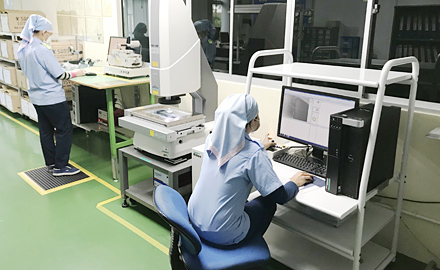
batambisnis.com – Batam’s manufacturing sector continues to play a pivotal role in Indonesia’s economic landscape, especially in the Riau Islands Province. In 2025, Batam’s manufacturing sector stands at a critical juncture, influenced by global economic shifts, technological advancements, and evolving trade dynamics in Southeast Asia. This article explores the key opportunities and challenges that define Batam’s manufacturing sector in 2025 and offers insights for investors, policymakers, and entrepreneurs seeking to understand and navigate this dynamic market.


1. Overview of Batam’s Manufacturing Sector in 2025
Batam’s manufacturing sector has long been a cornerstone of the region’s economy. Known for its strategic location near Singapore and Malaysia, Batam has attracted foreign direct investment (FDI) for decades. In 2025, the sector remains vibrant, with key industries including electronics, shipbuilding, automotive components, precision engineering, and consumer goods production.
The city benefits from special economic zone (SEZ) privileges, offering tax incentives, streamlined licensing procedures, and access to international markets. These advantages have helped Batam’s manufacturing sector remain competitive amid global uncertainties.
2. Key Opportunities in Batam’s Manufacturing Sector
a. Strategic Location and Logistics
One of the most significant advantages of Batam’s manufacturing sector is its geographic location. Situated in the Strait of Malacca and just 20 kilometers from Singapore, Batam offers easy access to major shipping routes and logistics hubs. This proximity allows manufacturers to efficiently export products and import raw materials, reducing costs and lead times.
b. Government Incentives and Reforms
In 2025, the Indonesian government continues to roll out policies that support Batam’s manufacturing sector. These include reduced corporate taxes for new investors, simplified customs processes, and improved infrastructure. The Batam Indonesia Free Zone Authority (BP Batam) has also launched digital platforms to ease business registration and investment licensing.
These reforms create a conducive environment for growth and innovation within Batam’s manufacturing sector.
c. Skilled Workforce Development
Batam is home to several technical institutions and vocational training centers that supply skilled labor for Batam’s manufacturing sector. In recent years, public-private partnerships have enhanced workforce readiness through upskilling programs and certifications. In 2025, this focus on human capital development ensures that manufacturers can access a productive and qualified talent pool.
d. Adoption of Industry 4.0 Technologies
A major trend shaping Batam’s manufacturing sector is the adoption of Industry 4.0 technologies such as automation, artificial intelligence (AI), the Internet of Things (IoT), and data analytics. These innovations are driving productivity, improving quality control, and reducing operational costs.
Several factories in Batam have already implemented smart manufacturing systems, making Batam’s manufacturing sector more attractive to global investors seeking efficiency and innovation.
e. Growing Regional Demand
The rise of ASEAN as a manufacturing and consumer hub brings new demand for goods produced in Batam’s manufacturing sector. The Regional Comprehensive Economic Partnership (RCEP), which includes Indonesia, promotes tariff reductions and trade facilitation among member countries, opening up additional markets for Batam-based manufacturers.
3. Key Challenges Facing Batam’s Manufacturing Sector
Despite its strengths, Batam’s manufacturing sector faces several challenges that could hinder growth if not properly addressed.
a. Infrastructure Bottlenecks
While infrastructure has improved, there are still concerns about road congestion, port capacity, and utilities. Delays in transportation and logistics can disrupt supply chains, affecting the overall efficiency of Batam’s manufacturing sector. Continued investment in infrastructure is necessary to support expansion and meet future demand.
b. Competition from Neighboring Economies
Batam’s manufacturing sector competes with other Southeast Asian nations such as Vietnam, Thailand, and the Philippines. These countries also offer low labor costs, favorable investment climates, and growing industrial capabilities. To maintain its competitive edge, Batam must continuously improve its ease of doing business and enhance innovation.
c. Environmental and Sustainability Pressures
In 2025, global and regional attention to environmental standards is increasing. Batam’s manufacturing sector must adapt to stricter regulations concerning emissions, waste management, and sustainable sourcing. Failure to do so may lead to trade barriers or reputational risks among environmentally conscious clients and partners.
d. Labor Costs and Talent Retention
While labor costs in Batam remain relatively low compared to developed economies, they are rising compared to some regional competitors. Additionally, retaining skilled workers is becoming more difficult as many professionals seek better opportunities in nearby Singapore or Jakarta. This talent drain poses a risk to the sustainability of Batam’s manufacturing sector.
e. Technological Transition Challenges
Although Industry 4.0 adoption is a positive trend, the transition poses challenges for small and medium-sized enterprises (SMEs) within Batam’s manufacturing sector. Many lack the capital or expertise to implement new technologies, making it harder to stay competitive. Bridging the digital divide will require targeted support from both the government and larger corporations.
4. Future Outlook for Batam’s Manufacturing Sector
Looking ahead, the outlook for Batam’s manufacturing sector in 2025 remains cautiously optimistic. If current trends continue, the sector is well-positioned to benefit from regional trade integration, supply chain diversification, and rising demand for industrial products.
a. Digital Transformation
Digitalization is expected to accelerate, with more companies in Batam’s manufacturing sector embracing cloud computing, predictive maintenance, and integrated enterprise resource planning (ERP) systems. This transformation will boost efficiency and data-driven decision-making.
b. Sustainability Initiatives
Manufacturers are likely to adopt greener practices, including solar energy use, circular economy models, and low-emission technologies. These initiatives not only meet regulatory requirements but also align with global customer expectations, giving Batam’s manufacturing sector a competitive edge.
c. Increased Investment in Automation
To mitigate labor challenges and reduce dependency on manual processes, companies are investing in automation and robotics. This move will enhance productivity while addressing issues related to talent retention and rising labor costs.
d. Expansion into High-Tech Manufacturing
There is a noticeable shift toward high-tech industries, including semiconductor components, medical devices, and aerospace parts. These sectors offer higher value-added products and align with Indonesia’s vision to move up the global manufacturing value chain. Batam’s manufacturing sector is expected to play a central role in this transformation.
Conclusion
In conclusion, Batam’s manufacturing sector in 2025 is characterized by both promising opportunities and pressing challenges. Its strategic location, supportive policies, and evolving technological landscape make it a prime destination for investors and businesses in the manufacturing domain.
However, to fully capitalize on these advantages, stakeholders must address infrastructure gaps, strengthen sustainability practices, support SMEs, and invest in talent development. By doing so, Batam’s manufacturing sector can maintain its relevance and competitiveness on a global scale.
As the region adapts to the demands of a rapidly changing global economy, Batam’s manufacturing sector is poised to emerge stronger, smarter, and more resilient than ever before.

Author: Armein Hutagaol
A Blogger, Writer, and Digital Marketing Specialist dedicated to helping local SMEs (Small and Medium Enterprises) grow and promote their businesses across Indonesia, Singapore, and Malaysia.


One Comment