


batambisnis.com – Cross‑border business is a powerful driver of growth in Southeast Asia. The dynamic triangle formed by Batam, Singapore, and Malaysia offers enticing trade opportunities. In this article, we uncover why cross‑border business in this region is booming, what sectors shine, and how entrepreneurs can capitalize on cross‑border business ventures to deliver profitable results.


Why Cross‑Border Business Thrives in the Batam‑Singapore‑Malaysia Triangle
Numerous factors contribute to the success of cross‑border business in this tri‑country region:
- Strategic Location
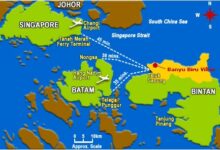
Batam is geographically close to Singapore just a short ferry ride while both sit near Malaysia’s major ports and logistics hubs. This proximity creates seamless logistics and supply chains, fueling cross‑border business growth. - Economic Integration
The Indonesia–Malaysia–Singapore Growth Triangle (IMS-GT) encourages regional integration. Facilitated by trade agreements and customs cooperation, cross‑border business is simplified and streamlined. - Cost Advantage + Infrastructure
Manufacturing costs in Batam are significantly lower than in Singapore, yet Batam benefits from Singapore’s world-class infrastructure. This opens amazing margins for cross‑border business where goods are produced in Batam and refined or distributed via Singapore or Malaysia. - Market Access
Operating within a cross‑border business framework grants companies access to three distinct markets with over 100 million consumers combined into one economic ecosystem. - Diverse Skills & Talent
Talent flows freely across borders, empowering cross‑border business ventures to access skilled labor in Batam while tapping finance, management, and service expertise from Singapore and Malaysia.
Key Sectors for Cross‑Border Business
Several sectors thrive in cross‑border business ventures across Batam, Singapore, and Malaysia:
- Electronics Manufacturing & Assembly
Singapore hosts advanced research, design, and quality control, while Batam is a low-cost manufacturing hub. Many cross‑border business models use Batam for fabrication and shipping to global markets from Singapore. Malaysia adds value through sustainable sourcing and regional distribution networks.
- Food Processing & Agribusiness
Batam has agricultural potential and seafood access; Malaysia offers palm and rubber products; Singapore provides food tech innovation, cold storage, and distribution. This synergy drives efficient cross‑border business in agrifood.
- Logistics & Third‑Party Services
The tri‑border region is a logistics hotspot. Shipments can be consolidated in Batam, shipped via Singapore, and delivered to Malaysia with minimal border friction. Cross‑border business models include warehousing, customs brokerage, fleet management, and integrated service offerings.
- E‑Commerce Fulfilment
E‑commerce grows explosively in Southeast Asia. A cross‑border business model can use distribution centers in Batam, customs clearance via Singapore, and delivery hubs in Malaysia. This reduces wait times and open customer service channels across borders.
- Tourism & Hospitality
Tourists often tour Singapore, Batam, and Malaysia together. Cross‑border business opportunities include packaged tours, transportation, accommodation partnerships, and regional marketing strategies that harness the appeal of combined destinations.
Profitable Trade Opportunities
Here are specific profitable avenues for cross‑border business entrepreneurs:
- OEM & Private Label Manufacturing
Entrepreneurs can contract local factories in Batam to manufacture electronics, garments, and cosmetics. Using Singapore as the export base ensures compliance and connectivity, creating a robust cross‑border business model.
2. Seafood Export
Batam supplies fresh seafood to Singapore’s food industry. Processed products then reach premium markets like Malaysia. For cross‑border business operators, investing in cold‑chain logistics and certification (e.g., HACCP, FDA export) is crucial.
3. E‑Commerce Distribution
By combining low-cost warehousing in Batam, customs clearance from Singapore, and final-mile networks in Malaysia, cross‑border business players can promise 2‑3 day shipping across borders an edge in fast‑delivery markets.
4. Value‑Added Agriculture
Malaysia’s palm oil and rubber supply, along with Batam’s fruits and raw produce, can be processed into consumer-ready goods in Singapore, like cooking oils or nutraceuticals. Cross‑border business integration enables packaging, branding, and distribution.
5. EPS & Plastic Components
The plastics manufacturing sub‑sector in Batam excels at producing household goods. Paired with Singapore’s innovation in recycling and material science, and Malaysia’s assembly lines, cross‑border business ventures can build a circular economy model.
6. Regional Training & Skills Development
Singapore-based training providers can deliver certifications in Batam and Malaysia by partnering with local institutions. Cross‑border business opportunities arise in setting up academies, vocational training, or digital education platforms.
Regulatory Framework & Customs Regimes
Understanding regulations is vital for cross‑border business success:
- Indonesia Free Trade Zones (FTZ) in Batam: These zones provide tax exemptions, simplified customs, and fast document processing ideal for cross‑border business.
- Singapore Customs: Known for efficiency, Singapore streamlines air and sea transit, supporting timely shipments which enhance cross‑border business competitiveness.
- Malaysia Trade Agreements: Malaysia’s agreements with ASEAN and global partners benefit cross‑border business via tariff reductions and access to wider markets.
Logistics & Transportation Infrastructure
Efficient cross‑border business depends on transport:
- Ferry Services: Regular ferry routes connect Batam to Singapore. Speedboats and roll-on/roll-off (RoRo) ferries improve cargo transit for businesses focused on cross‑border trade.
- Port Access: Batam’s ports connect to international routes; Singapore’s ports are world-class; Malaysia’s Johor ports serve as overland gateways.
- Road & Rail: Malaysia’s highway and rail systems connect to Singapore land borders, supporting fast cargo movement. Future MRT and high-speed rail could further strengthen cross‑border business links.
Financial & Payment Systems
Cross‑border business needs robust financial platforms:
- Banking and Trade Finance: Singapore and Malaysia provide trade financing, letters of credit, and factoring services convenient for cross‑border business.
- Digital Payments: QR-based systems and regional e-wallets ease cross‑border money movement, reducing friction in cross‑border business transactions.
- Multi‑Currency Accounts: Companies can manage USD, SGD, MYR, and IDR accounts vital for cross‑border business invoicing and profit repatriation.
Challenges & Risk Management
Even profitable cross‑border business ventures face risks:
- Regulatory Complexity: Customs rules, documentation standards, and compliance vary. Companies should hire local consultants to manage cross‑border business logistics.
- Currency Fluctuations: Currency risk between IDR, SGD, and MYR can affect profits. Hedging strategies help safeguard cross‑border business margins.
- Cultural & Language Barriers: Indonesia, Singapore, and Malaysia have diverse business cultures. Successful cross‑border business firms hire multicultural teams and local agents.
- Supply Chain Resilience: Natural events or global disruptions can interrupt cargo flow. Cross‑border business models should embrace diversification and contingency plans.
- Quality Control: Maintaining consistent product quality across sites is essential. Cross‑border business operations benefit from standard operating procedures and regular audits.
Successful Cross‑Border Business Case Studies
Case 1: Electronics Contract Manufacturing
A Singaporean tech startup designs IoT devices, taps Batam factories for assembly, and exports via Singapore ports to Malaysia and Europe. Their cross‑border business model slashed costs by 30%, sped up shipping by 2 days, and expanded distribution effectively.
Case 2: Seafood Cold‑Chain Export
An Indonesia–Malaysia partnership sources fish in Batam, processes and freezes in Malaysia, and uses Singapore’s ports to ship to top markets in Asia-Pacific. This cross‑border business framework achieved HACCP and EU certification within two years.
Case 3: E‑Commerce Distributor
A cross‑border business firm uses Batam warehouses, processes customs in Singapore, and uses Malaysia’s delivery networks for regional e‑commerce. They complete deliveries in 3 days to major Malaysian cities—beating competitors by a wide margin.
Steps to Launch a Cross‑Border Business
Entrepreneurs aiming for success in cross‑border business can follow this roadmap:
- Market Research
Identify target sectors—electronics, food, logistics, etc.—and assess demand in Singapore and Malaysia. - Register and Comply
Set up legal entities in Batam FTZ, Singapore, or Malaysia. Engage local consultants for licensing and trade formalities. - Build Partnerships
Connect with reputable manufacturers, brokers, logistics providers, and distributors across borders. - Establish Logistics
Design end‑to‑end supply chains: manufacturing → port → customs clearance → delivery. Leverage Singapore efficiency and close Malaysia‑Indonesia routes. - Secure Finance
Set up multi‑currency accounts, apply for bank credit if needed, and use hedging tools to manage currency risk. - Implement Quality Systems
Ensure certifications (ISO, HACCP, etc.) and regular inspections to uphold product and service standards. - Launch & Market
Use digital marketing localized for Malaysia and Singapore. Highlight fast shipping, value pricing, and quality assurance. Attend regional trade shows. - Scale & Optimize
Analyze performance metrics—time-to-market, shipping costs, margins. Refine operations and explore vertical integration like packaging, branding, or regional R&D.
Future Outlook
Heading into 2025 and beyond, the Batam‑Singapore‑Malaysia cross‑border business landscape promises growth:
- The completion of Indonesia’s new sea tolls and port expansions will strengthen Batam as a manufacturing base.
- Malaysia’s digital economy agenda and free trade pacts will help cross‑border business firms.
- Singapore’s continued leadership in fintech, robotics, and green tech creates opportunities for cross‑border business startups focused on advanced manufacturing and sustainability.
Conclusion
Cross‑border business in the Batam‑Singapore‑Malaysia region combines strategic location, cost advantages, integrated infrastructure, and complementary economics. By leveraging manufacturing in Batam, logistics through Singapore, and distribution across Malaysia, businesses can unlock margins, accelerate delivery, and gain competitive advantage.
If you’re an entrepreneur eyeing expansion, now is the time to explore cross‑border business models in electronics, agrifood, logistic services, or e‑commerce fulfilment across this tri‑country region. With smart planning, strategic partnerships, and regulatory compliance, there’s significant scope for profitable ventures through cross‑border business.

Author: Armein Hutagaol
A Blogger, Writer, and Digital Marketing Consultant dedicated to helping local SMEs (Small and Medium Enterprises) grow and promote their businesses across Indonesia, Singapore, and Malaysia.


